3 Ways to TURN BETTER on Longboards
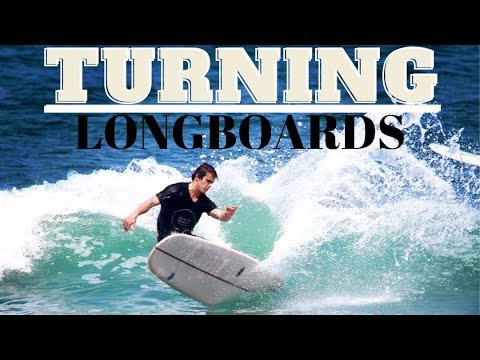
Fix three key turning problems by shifting your back foot laterally to engage the rail, adjusting distance back on the tail, and using the entire wave face.

 admin
admin
Fix three key turning problems by shifting your back foot laterally to engage the rail, adjusting distance back on the tail, and using the entire wave face.
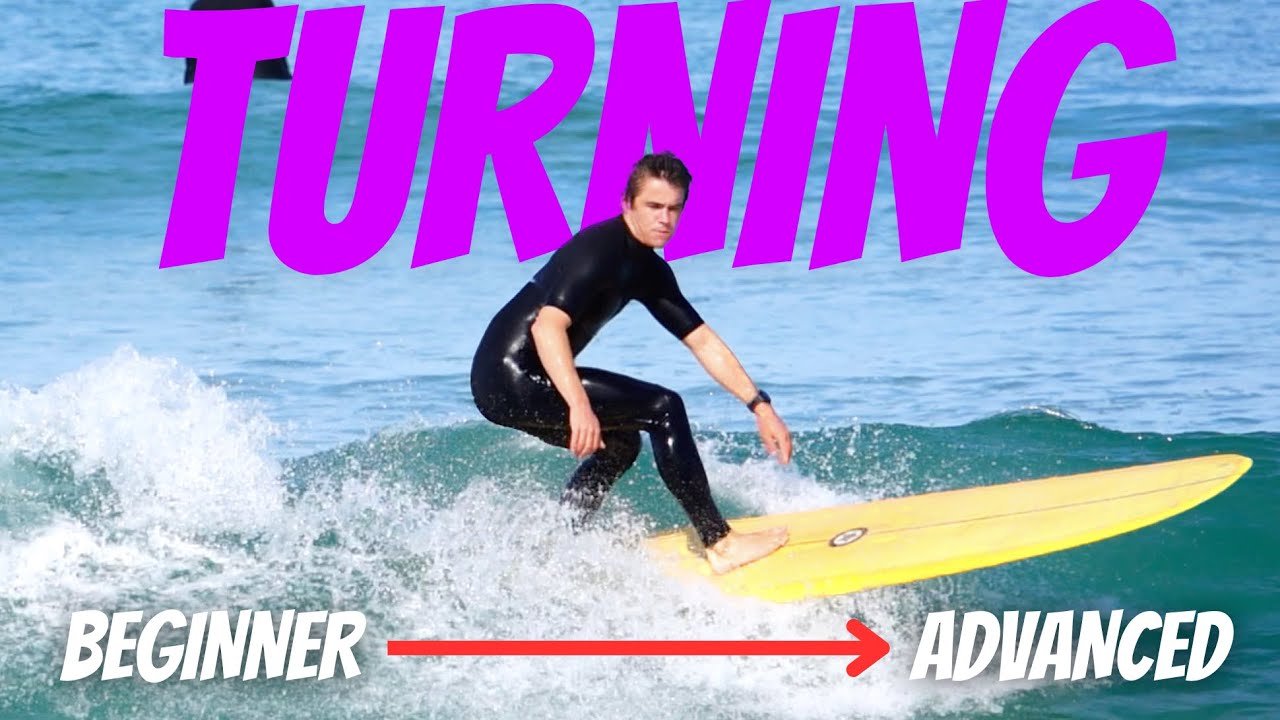
Fix two major longboard turning mistakes: shift your hips back (belt buckle method) to pivot off the tail and build enough speed before initiating the turn.
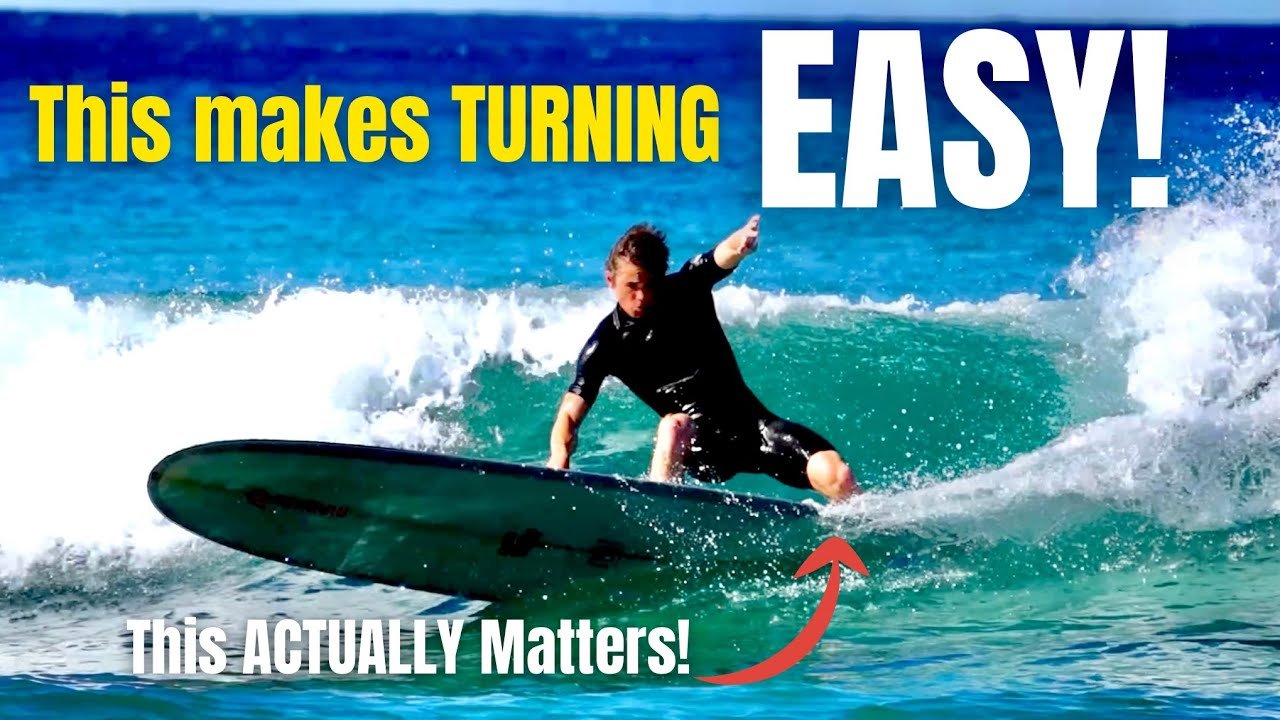
Regain control of your longboard turns using the “Adjustable Back Foot” method: laterally shifting your foot to the toe/heel rail to engage the turn effectively.
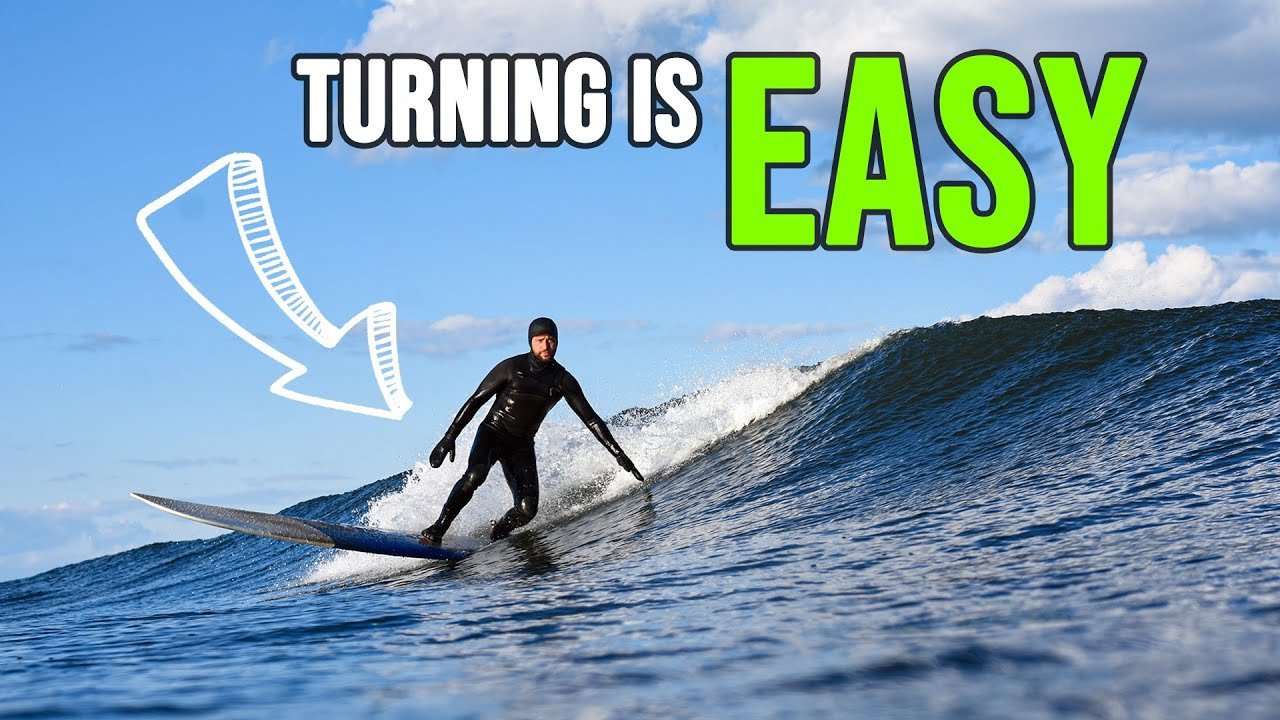
Master the “Position and Hold” method for longboard turning by simultaneously looking, shifting 70% of weight back, and leaning onto the board’s rail.
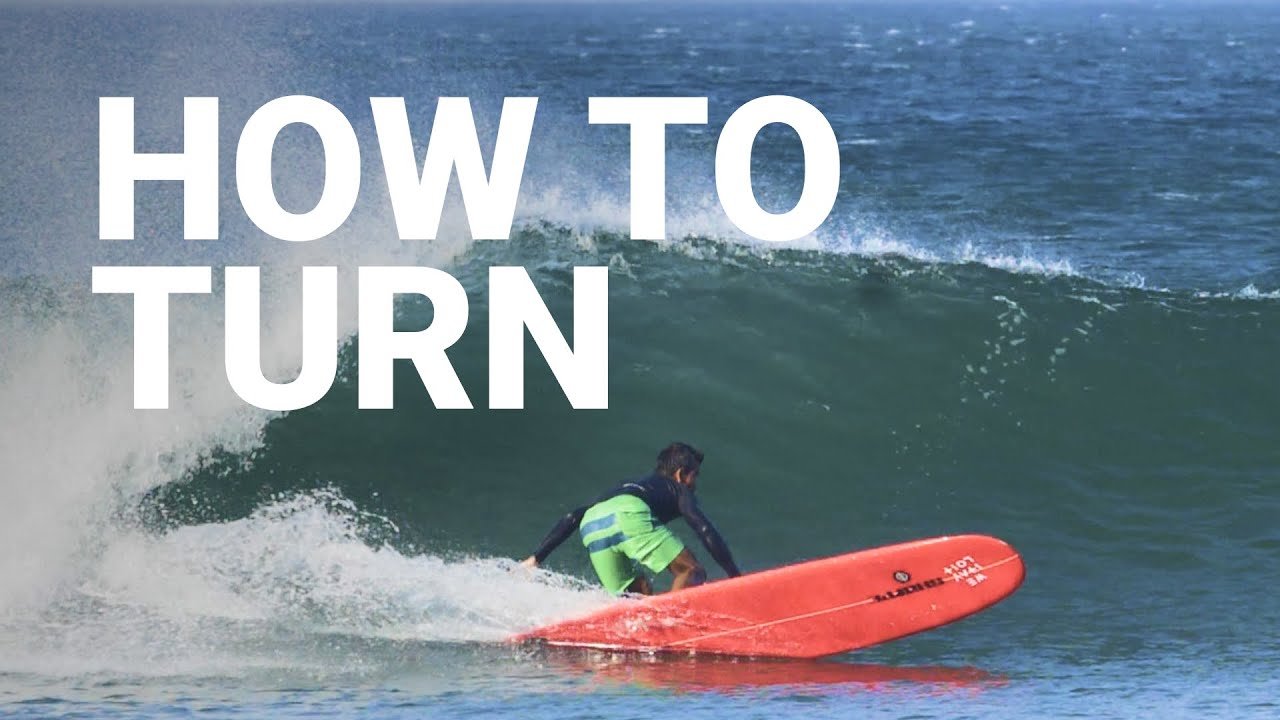
Learn longboard carving in three steps: pressing the back heel/toes, rotating the chest toward the target, and re-accelerating to regain lost speed.

Longboard turns are divided into the fast, rail-disengaging Pivot Turn and the powerful, line-drawing Carving Turn; learn when to use each for maximum flow and style.
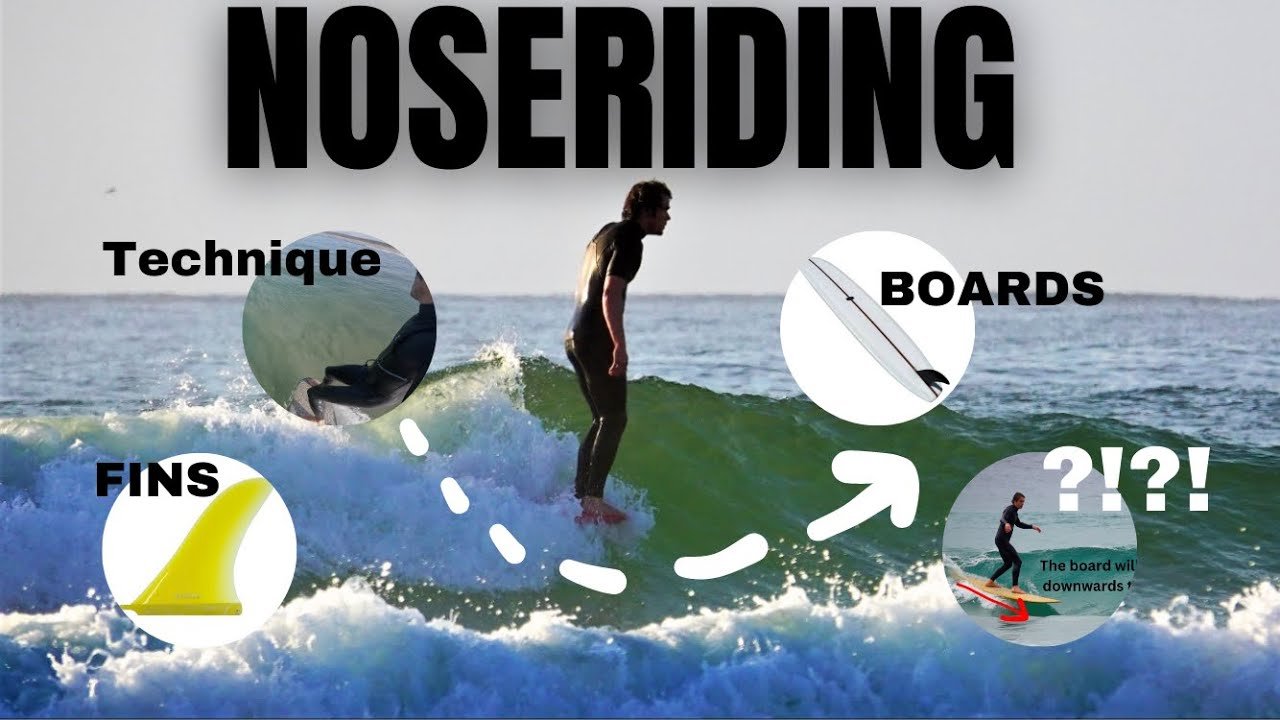
Master the four fundamentals of noseriding: optimal board/fin choice, high/low wave positioning, and the essential differences between hang five and hang ten.
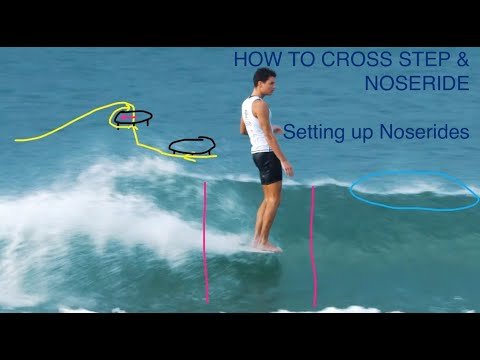
Discover the two physics concepts (Apparent Flow & Coanda Effect) that provide stability for noseriding, and learn five methods to position yourself in the critical pocket.
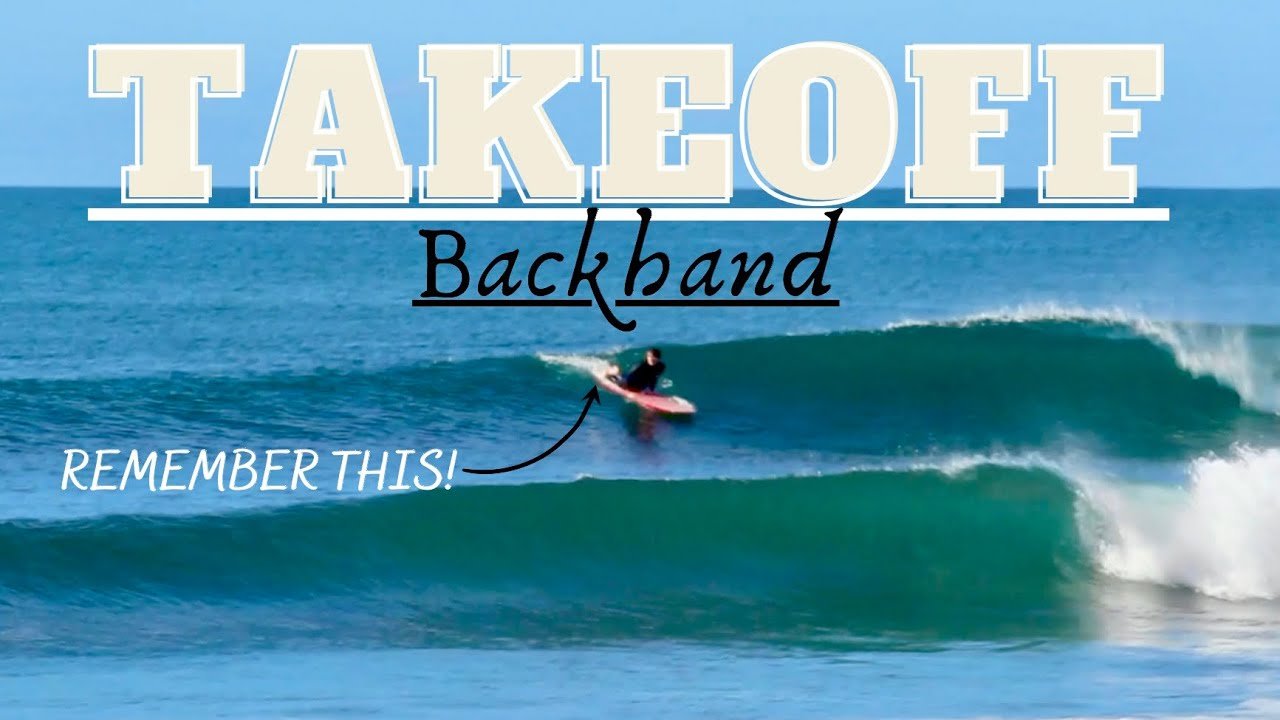
Master the backhand takeoff by using toe-contact, lifting the heel to enable hip rotation, and ensuring your pop-up lands directly on the tail for immediate turning.
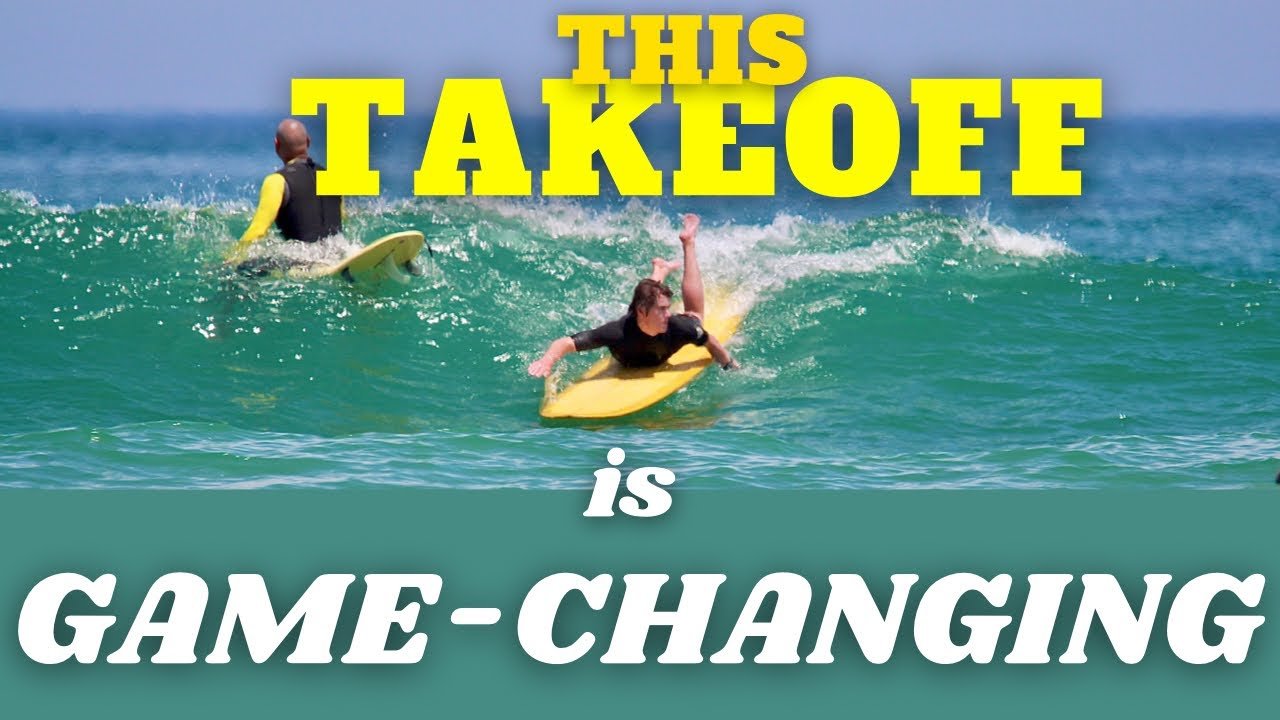
Master the versatile Fade Takeoff technique—the cure for nose diving and poor pocket positioning—to set up deep nose rides and smooth, accelerating carves.