Is Your Board the CORRECT SIZE? What You Weren’t Told about Longboards!
Board size heavily depends on style (performance vs. traditional) and your build. Use this framework to choose a size that supports your paddle speed and maneuverability.
Guides and technical information focusing on surfboard accessories, dimensions, construction materials, and gear maintenance.
Board size heavily depends on style (performance vs. traditional) and your build. Use this framework to choose a size that supports your paddle speed and maneuverability.

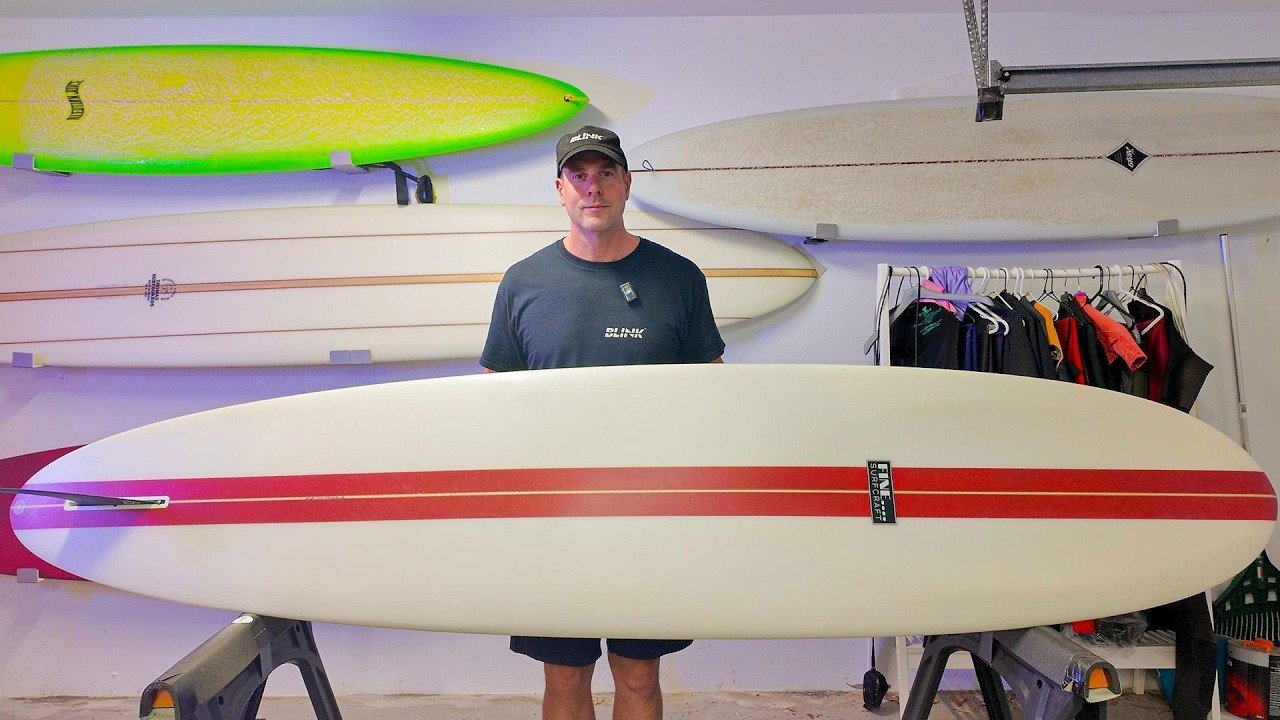
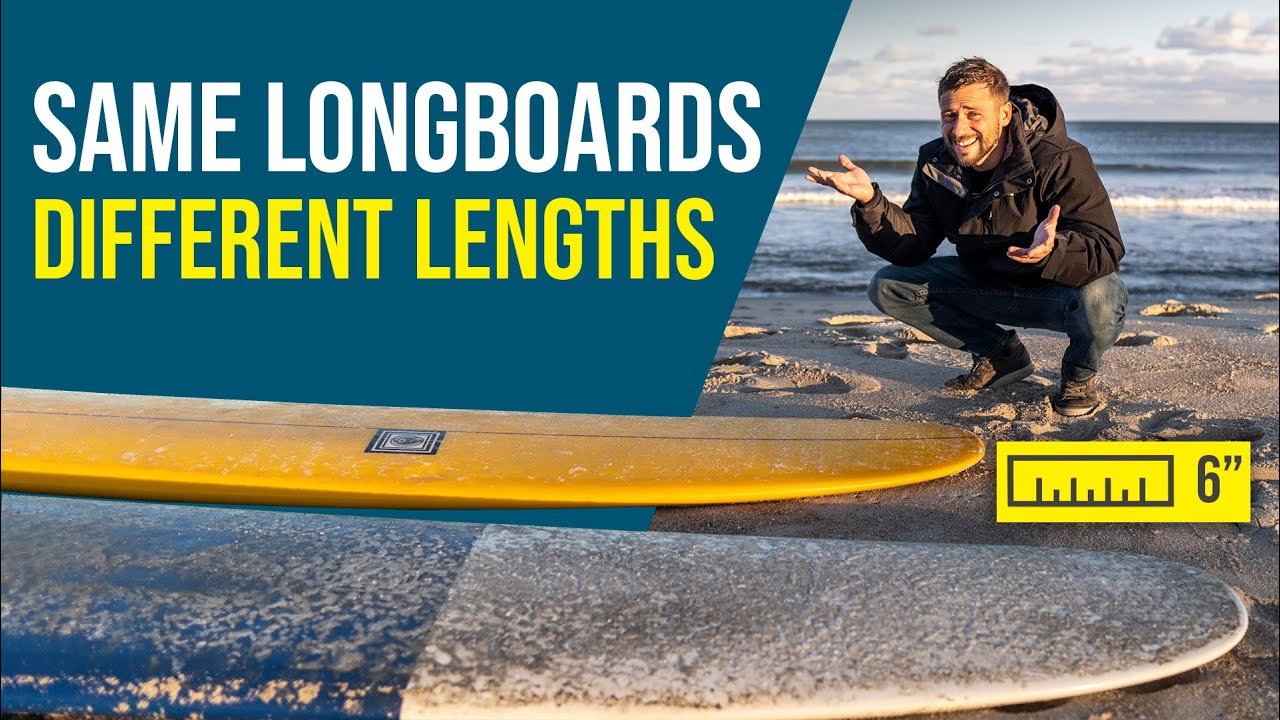
Compares a 9’6″ vs 9’0″ longboard to show that smaller boards excel at turning in big waves, but larger boards are necessary for noseriding on the shoulder.
Learn essential longboard design differences—rocker and wide point—to ensure your board supports cross-stepping and turning, avoiding gear that stifles progression.
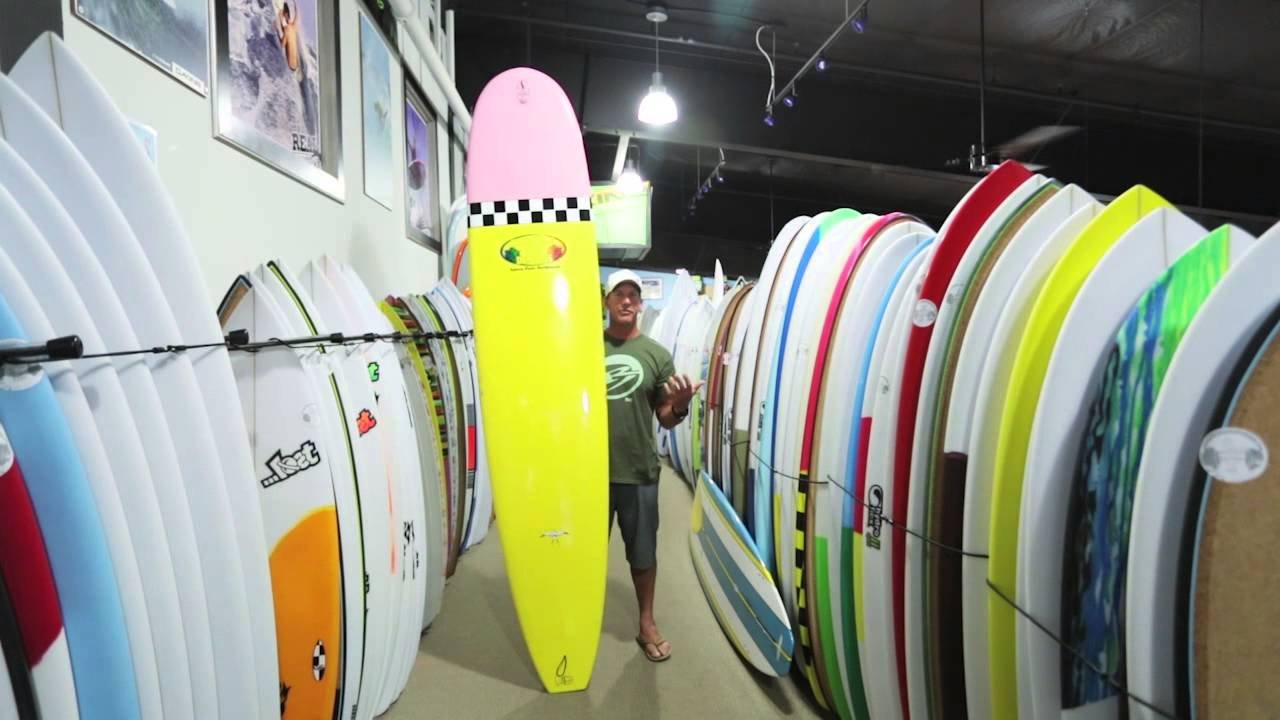
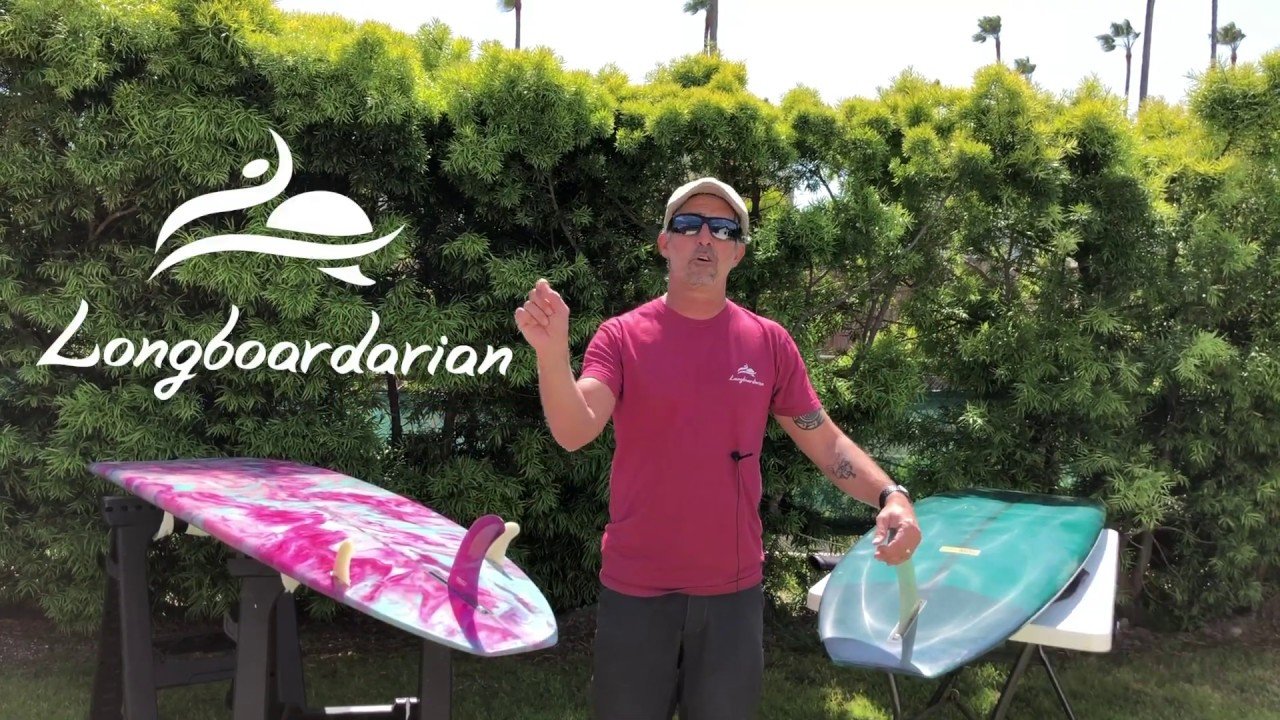
Learn how to choose a longboard by comparing nose riders, high-performance longboards, and hybrids based on rocker, fin configuration, tail shape, and construction.
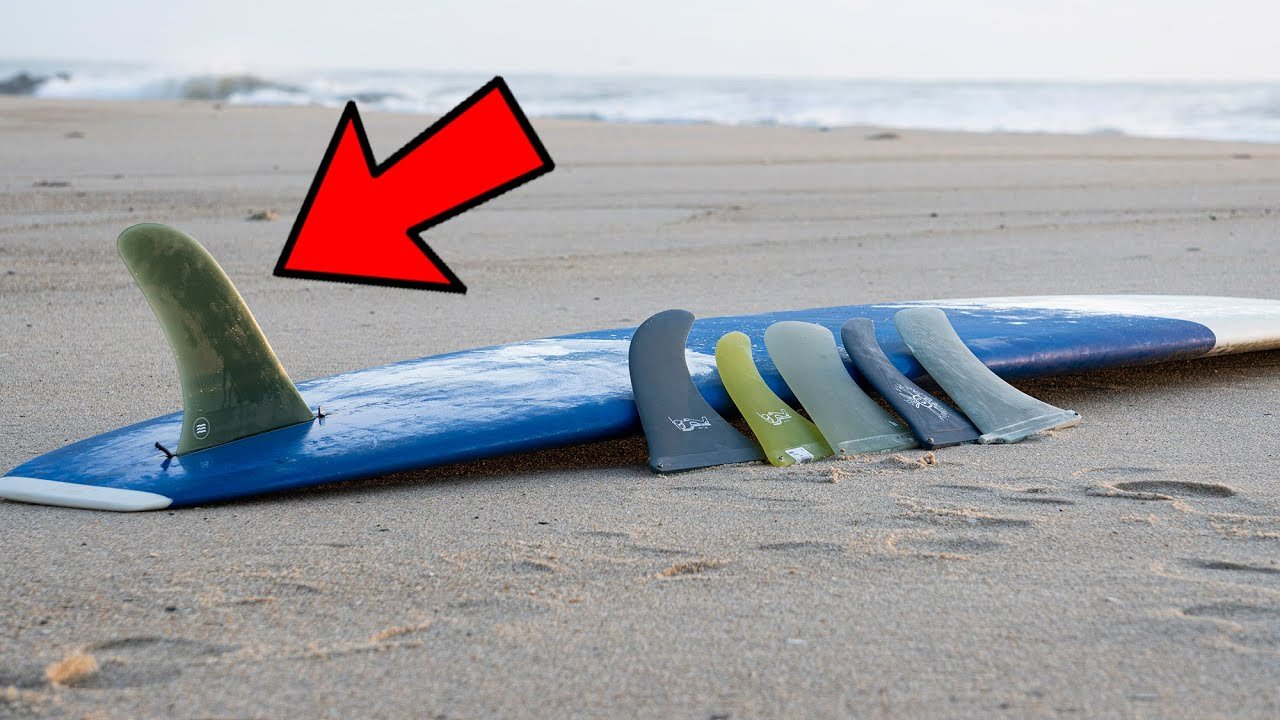
ee how the Solo Fins pivot fin competes with the Greenough 4A, offering superior stability for nose rides but requiring deliberate back foot placement for turns.
ompare four longboard designs—Performance Noserider, Glider, Traditional Log, and Speed Shape—to determine the most versatile board for your quiver.
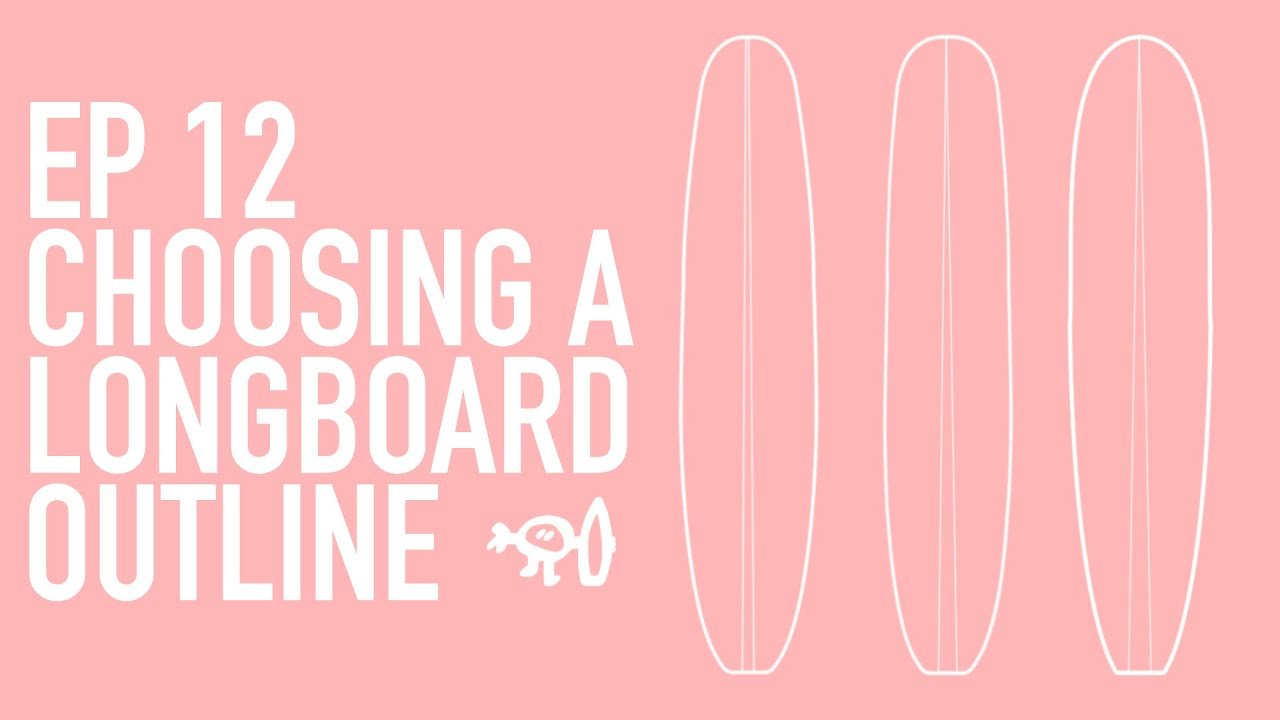
Compare longboard outlines: Wide Point Back (maneuverability), Wide Point Center (user-friendly stability), and Wide Point Forward (nose support). Choose the best for your wave type.
Advice on longboard design: learn why beginner to advanced surfers need center-wide-point stability while competitive surfers require a wide-point-back design for critical turning and pocket noserides.
his test proves longboard fin position matters: moving the fin forward increases turning and setup speed, while pushing it back aims for pure stability.
Understand the difference between a high-performance 2+1 fin setup and a classic single fin for longboarding, and how each affects stability and turns.