
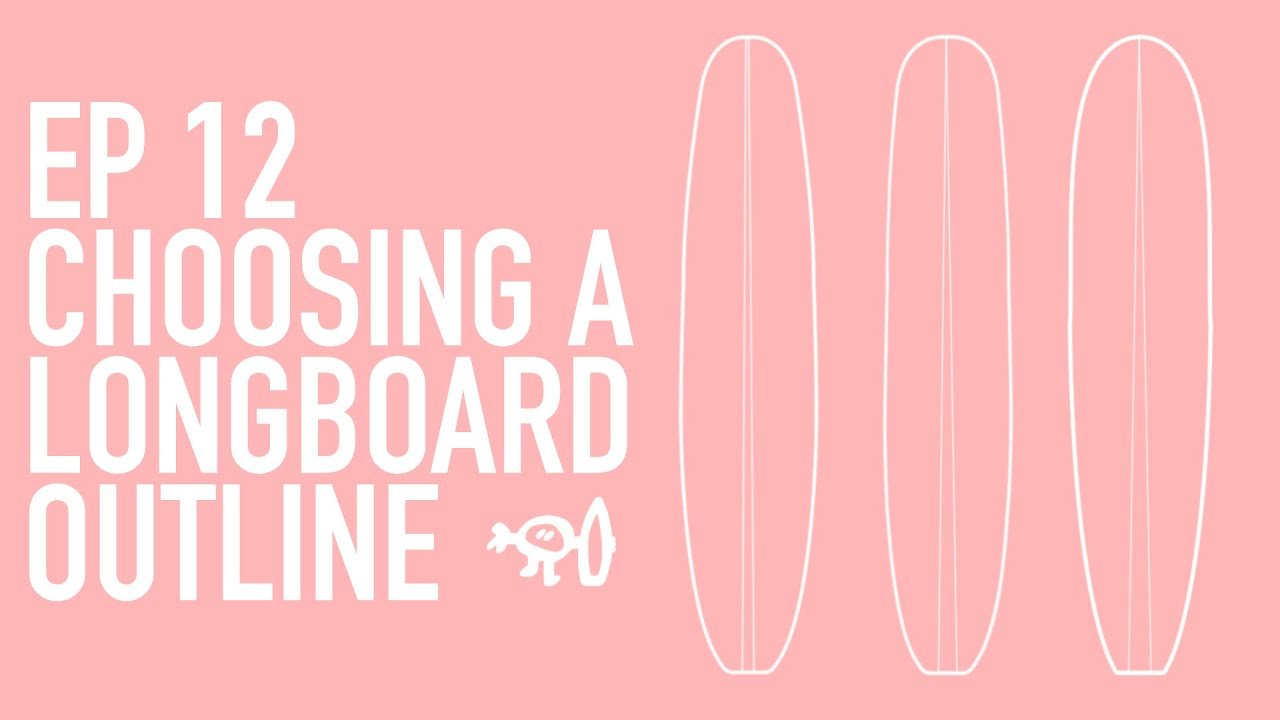
The location of the widest point of a longboard’s outline fundamentally alters its performance, loosely defining the divide between speed/grip control (front half) and maneuverability/responsiveness (rear half). This tutorial compares the three basic longboard outlines using noseriding performance as the key metric.
Key Takeaways & Tips
Wide Point Back (WPB)
Increases curve in the back half, making the board easier to carve and more responsive (reduced swing weight). The narrowed nose reduces the risk of catching the rail, encouraging surfing closer to the curl.
Wide Point Center (WPC) / Parallel Rail
This balanced outline is the most common modern design. The increased nose width increases stability and surface area up front, providing excellent lift and thrust for noseriding and trimming in softer waves.
Wide Point Forward (WPF)
The huge surface area under the nose provides maximum stability and support for the rider when walking forward. The straight rails make these boards better suited to more pivotal turns when compared to carving designs.
WPB vs. Wave Type
Wide Point Back designs require a steeper wave or a more technically proficient surfer to noseride successfully because the pulling away of the rail line reduces support from the wave.
WPF vs. Wave Type
Wide Point Forward outlines suit softer curved waves because the abundant surface area up front excels in situations where the rider is in parallel with the wave face and needs support.
Common Mistakes to Avoid
WPC Hard to Turn
The wide, straight rails of a Wide Point Center/Parallel board can be hard to break out of the wave face when you want to turn. This style often requires increased tail rocker to help initiate the turn.
WPC in Powerful Waves
Wide, log-style boards can become hard to control in bigger, more powerful waves. The abundant surface area can generate too much lift and start to reduce the grip.
Beginners Choosing WPB
A beginner who is new to noseriding skills should avoid the Wide Point Back outline. These challenging designs provide less support on soft waves and require an existing level of skill.