
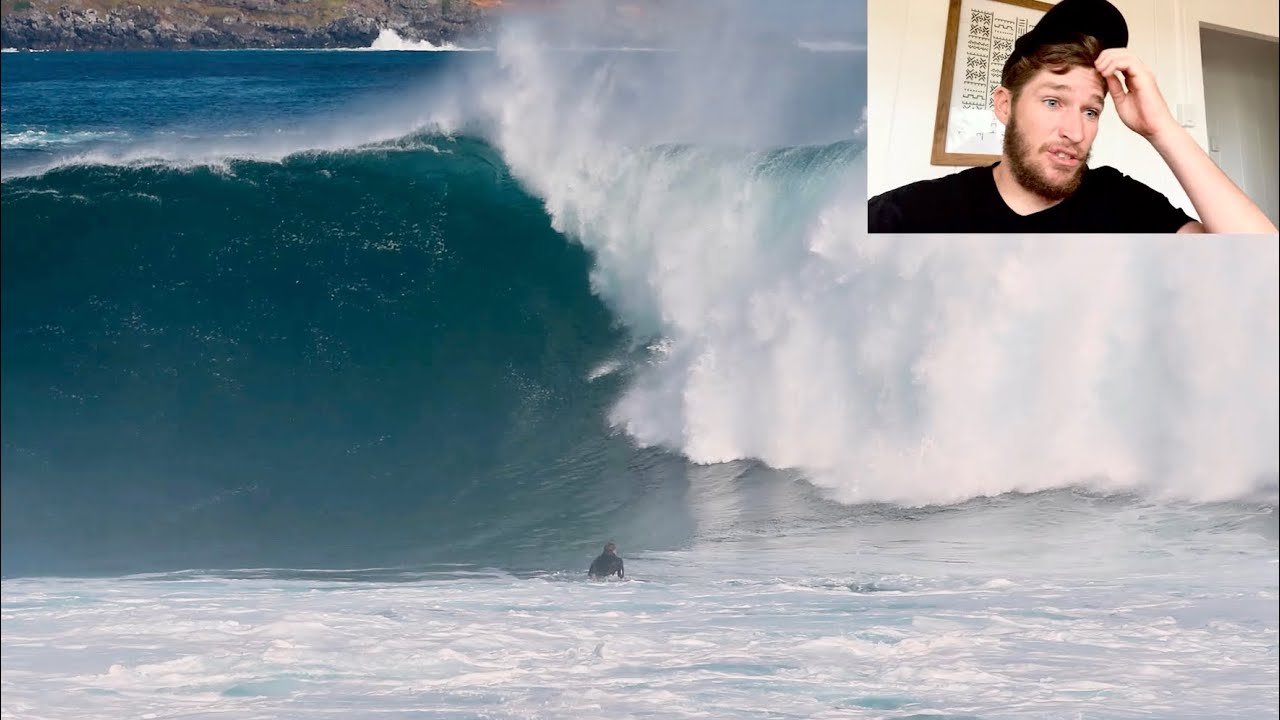
The classic question in big wave surfing is whether to duck dive or bail your board. This tutorial breaks down Nathan Florence’s decision-making process, contrasting the technique used for deep water sets versus navigating extremely shallow water over sharp lava rock.
Key Takeaways & Tips
Duck Dive Preference (Safety)
Duck diving is the default choice for safety and preserving equipment. It ensures you do not break the board or leash, prevents the board from flying and hitting someone else, and keeps your flotation device attached to you.
Deep Water Duck Dive
In deep water, use a double scoop duck dive for maximum depth: hold both rails, pull your chest to the board, and scoop the rail/foot in again as you push down. This is a skill that improves with repetition (contest training).
Big Wave Duck Dive Strategy
Unless the lip is detonating directly on you, always try to position yourself away from the main impact. Duck dive into the secondary explosion or whitewater, death-grip the board, and accept that you will get cartwheeled underwater.
Shallow Water Strategy (Starfish)
If the water is shallow over sharp rock (where duck diving risks breaking the board), starfish to the surface. Push up and spread your limbs out to create surface area, preventing the wave from pushing your body hard along the bottom.
Duck Dive Board Limit
The personal maximum limit for duck diving a board is around 7’0″ to 7’5″ for a standard performance shortboard. Beyond that, the board’s volume makes it too difficult to push underwater.
Bail Safely
When bailing in shallow water, always jump feet first (never butt first). Jump lightly, as if into the shallow end of a pool, to be ready to absorb the impact and avoid serious injury to your back or tailbone.
Common Mistakes to Avoid
Bailing in the Duck Dive Zone
Resorting to bailing every time. Bailing when a duck dive is possible risks breaking your board/leash and endangering others. It should be reserved for life-or-death situations or when you can’t push the volume underwater.
Ignoring Body Safety
Bailing butt-first in a shallow situation. This is extremely painful and dangerous, risking compression and injury to the tailbone or back upon hitting a submerged rock or reef.