
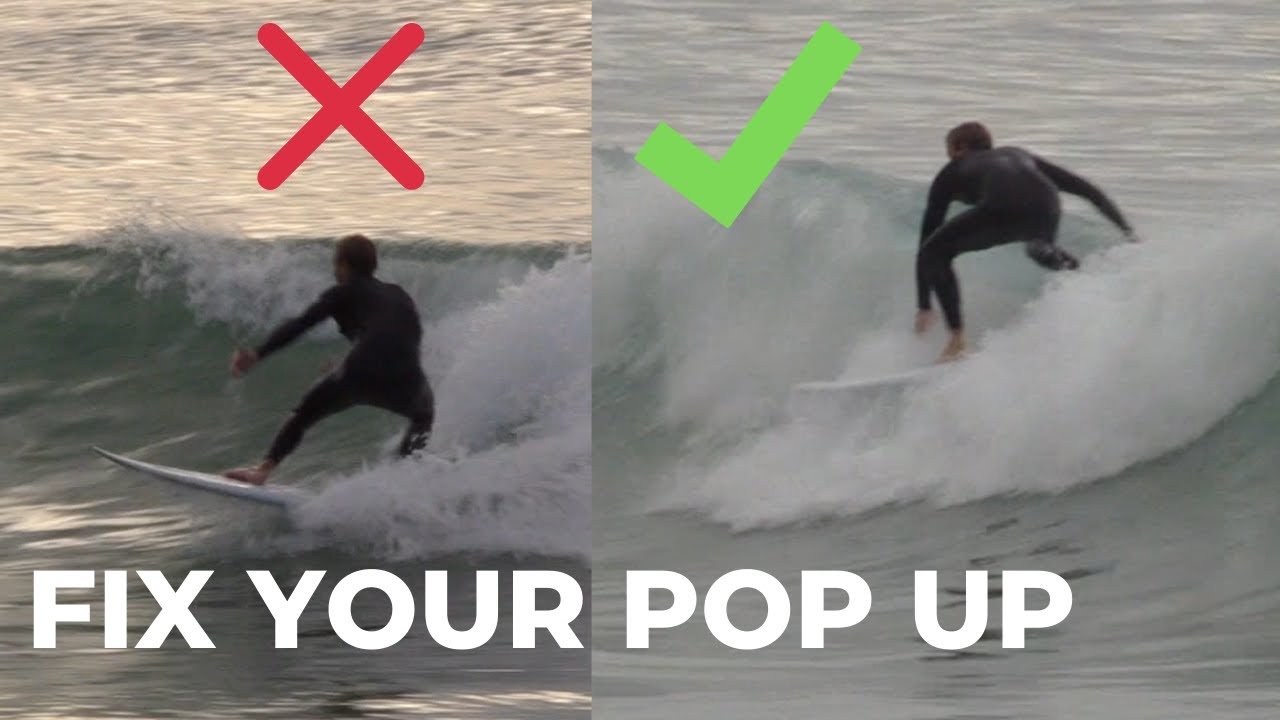
This tutorial argues that the takeoff is arguably the most important skill in surfing, not just for beginners, but for advanced surfers too. It addresses common mistakes that waste waves and stagnate progression, providing clear steps to make the takeoff effective and transition into the coiled spring position.
Key Takeaways & Tips
Three Pillars of Takeoff
The simple task of getting from your belly to your feet is impacted by two other major things: your paddling and your positioning. These three elements must be effective for a good takeoff.
Ideal Takeoff Position
Generally speaking, the best place to take off is at the peak of a wave. This is where you will garner the most speed, which is desirable in small to medium waves because it allows you to get away from the whitewater and pick a favorable line [3:25].
Hands and Board Correction
Look at Filipe Toledo’s technique: the hands are placed predominately on the deck of the board, with fingers slightly curving over the rail. This is important because it allows for more grip and correction; the surfer can literally pull the surfboard in the direction they want to go as they are sliding into the wave [5:14].
The Two-Part Pop
The “pop” part of the takeoff is built from two segments: 1) The arms press the body into a higher plane, allowing room for mainly the front leg to swing through, and 2) The lower abdominals activate to pull the hips higher, allowing both legs to shoot into position [6:45].
Beginner Phase Breakdown
For beginners on whitewater, the pop-up can be broken down into two phases to develop confidence: the front foot goes first, and then the back foot [6:53].
The Coiled Spring
After you pop up, your body must stay low and forward but remain strong and active. This is the coiled spring position and is essential for unleashing energy into your first turn [9:05].
Eyeline
As you take off, you should actually be looking down the line. This enables you to predict and plan the best angle to take once you stand up, which makes a huge difference to the end result of the wave [9:44].
Common Mistakes to Avoid
Two-Foot Landings
Pop-ups can be ineffective even after years of practice, causing surfers to waste waves or fall off. Effective technique is crucial for a clean ride [0:51].
Ignoring Positioning
Thinking the takeoff is only about the movement from belly to feet misses the crucial impacts of proper paddling and positioning.
Looking Forward Only
Looking straight forward is acceptable on whitewater or for straight riding, but advanced surfers must look down the line to plan the first maneuver. Underestimating this element is a common mistake [9:30].
Leaning Too Far Forward
To avoid nose-diving, you must still lean forward, but keep your back foot more heavy than your front foot. This lifts the nose of the board out of the water while maintaining the forward drive [8:51].