
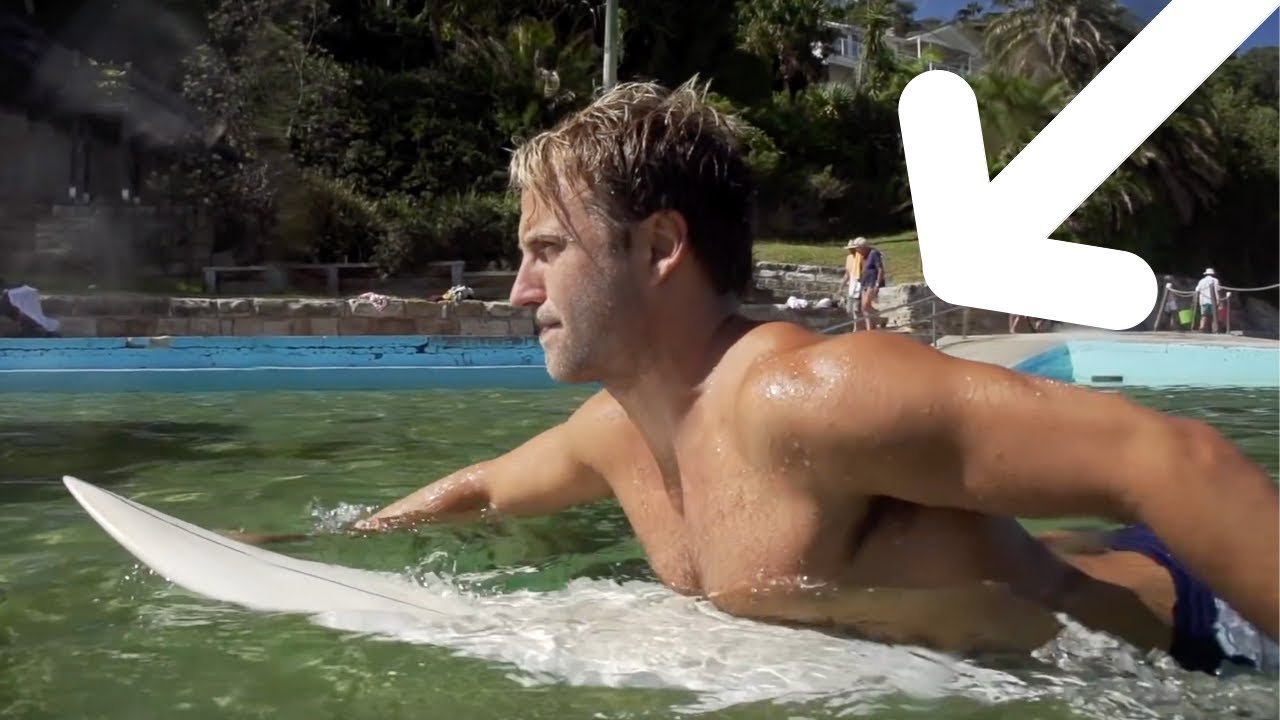
This tutorial is a follow-up on paddling technique, focusing on fixing huge mistakes that compromise efficiency, even among advanced surfers. It highlights that most of your surfing session is spent paddling, making efficiency crucial for conserving energy and maximizing wave count.
Key Takeaways & Tips
Efficiency Goal
The entire goal of the technique is to maximize stroke efficiency, which is achieved by displacing the maximum amount of water with your stroke, propelling you forward while conserving energy.
Bubble Hindrance
Water filled with tiny air bubbles (whitewater) is a massive hindrance to your paddling because you displace less water. This area causes you to lose stroke efficiency.
Strategy After Duck Dive
After surfacing from a duck dive, you should immediately increase your speed and effort of paddling to break free of the bubbly area as soon as possible. This increased output is not sustainable and should be slowed back down to a normal stroke after a few aggressive efforts.
The Last Minute Push
When catching a wave, you must lean forward and lengthen the neck at the last minute. This propels your body and weight forward and down the face of the wave before standing up, which is a game-changer for scraping into waves.
Feet Placement
The feet should maintain a position that is hydrodynamic, allowing them to flow nicely with you as you paddle and reducing resistance. The surfer prefers to fold one foot over the other, or keep them tight side-by-side.
Common Mistakes to Avoid
Sustained Speed After Duck Dive
Maintaining an aggressive, fast stroke for too long after breaking free of the whitewater is unsustainable and wastes energy.
Not Managing Bubbly Water
Sitting and waiting for the air bubbles to dissipate will take too long, increase the chances of getting caught by the next set, and waste time and energy.
Failing to Propel Forward
Failing to lean forward and propel your body weight forward at the last minute when scratching into a wave is why many surfers let waves roll by.
Lack of Core Activation
Constantly paddling without good core and back musculature activation reduces stroke power and makes it difficult to drive through difficult, sticky areas in the lineup.