
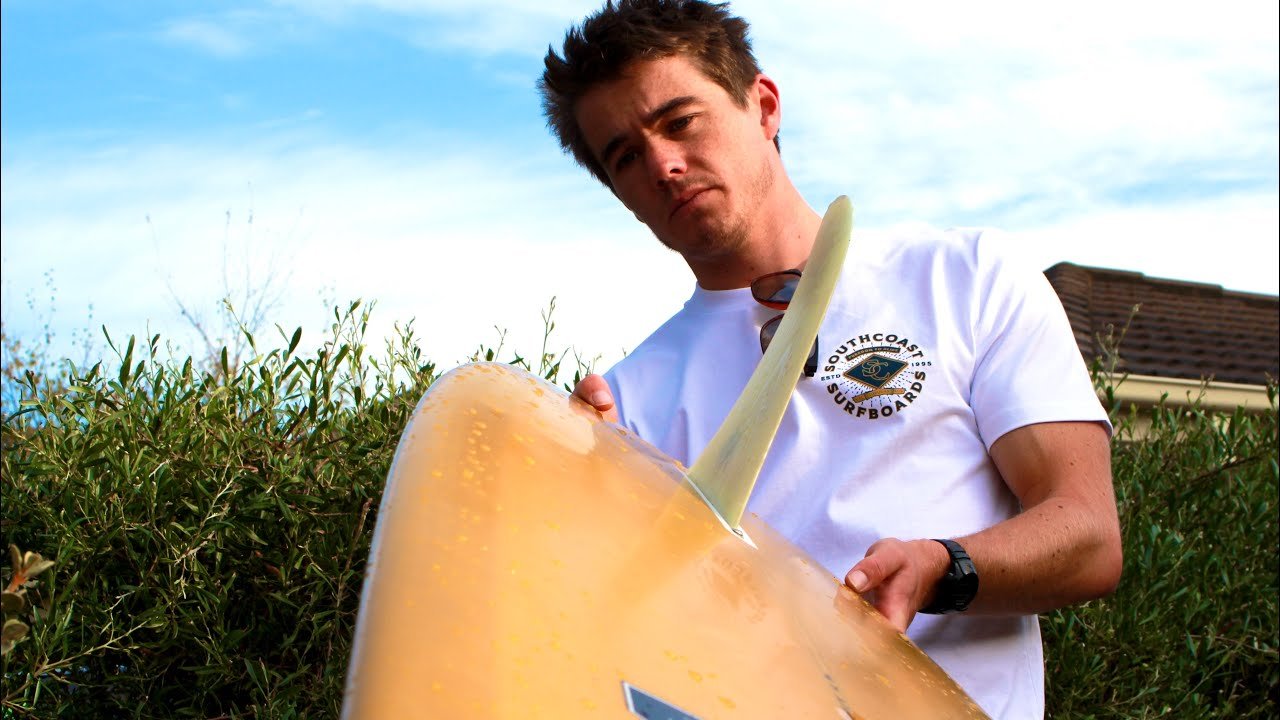
Choosing the right longboard design is crucial for surfing progression. This tutorial breaks down the essential differences in rocker and outline, helping you choose a board suited for your current skill stage—from mastering fundamentals to competitive surfing.
Key Takeaways & Tips
Rocker for Beach Breaks
For beach break conditions where waves are often unpredictable and chunky, it is good to have more rocker. This acts as a safety net when nose riding, giving you more wiggle room to prevent the nose from taking a negative trajectory and diving.
Rocker for Turns
More rocker is advantageous for turns, especially in less perfect conditions, as it allows you to disengage the rail more easily. This reduces the chance of bogging the rail compared to flatter boards when you are not going fast enough.
Flat Rocker for Point Breaks
For predictable point break conditions, a flatter rocker board is ideal. This allows for maximum speed down the line, and you don’t need the safety net of extra nose lift since the wave face is more perfect.
Wide Point in the Middle
A board with the wide point in the middle is reliable and safer, lending itself to pivot turns. It is also good for cross-stepping and nose riding in less perfect or mushy, shoulder sections because it maintains speed and balance better.
Wide Point Back
For competitive or high-performance surfing, a wide point back (pig shape) is often preferred, as it allows you to engage the rail nicely and jam into critical sections. This is conducive to high-performance turning.
Avoid Shuffling
For traveling to and from the nose, encourage clean, well-paced cross steps and correct the habit of shuffling, as clean footwork is the preferred way to maintain speed and control.
Subtle Adjustments
Subtle corrections or shuffles are okay if they are adjustments to the tail for turning (e.g., stepping back to the pivot point). However, constantly shuffling to gain distance to the nose should be corrected.
Common Mistakes to Avoid
Buying Pro Boards Early
Beginner or early advanced surfers buying boards designed for high-level pros. These boards are often too difficult to learn fundamentals on and will stifle your progression.
Incorrect Rocker for Turns
In fatter, less perfect conditions, using a flatter board (less rocker) for turning. This increases the chance of bogging the rail because too much rail is engaged when you’re not moving fast enough.
Shuffling for Distance
Shuffling to make up extra distance to hang five or hang ten. This should be corrected by making your cross steps bigger or adding more well-spaced steps.