Which Longboard Is Best?
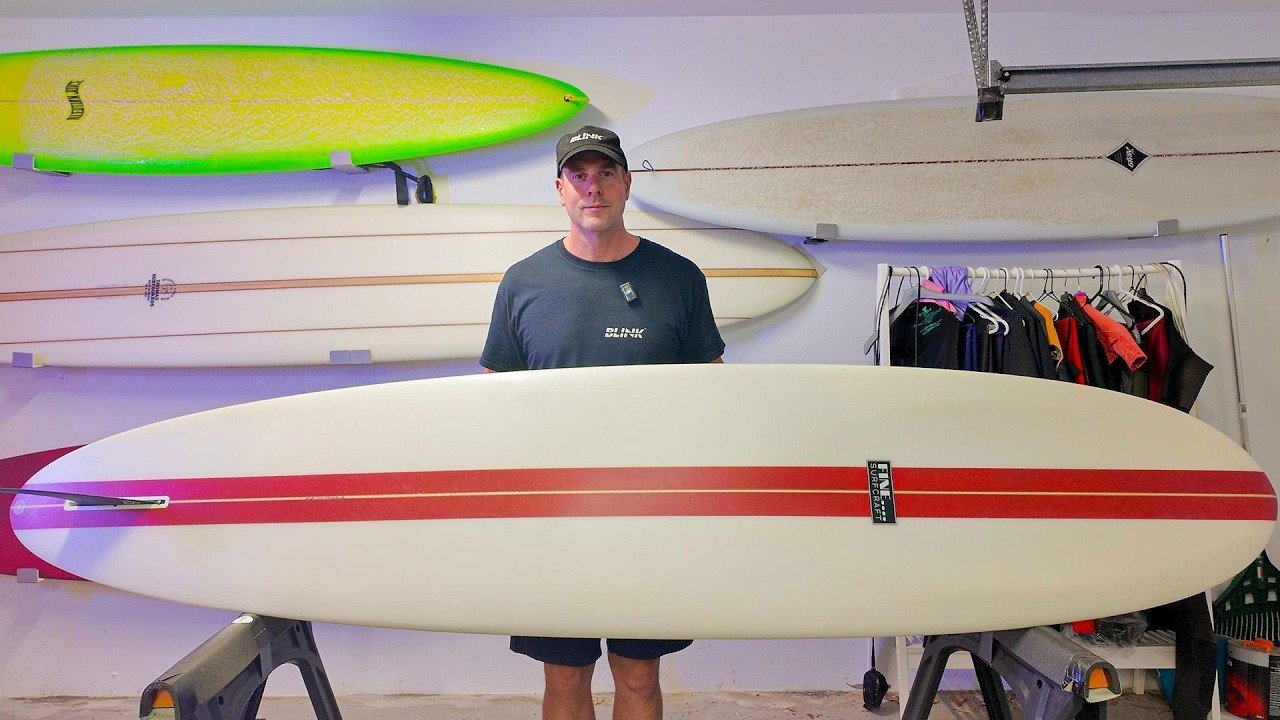
ompare four longboard designs—Performance Noserider, Glider, Traditional Log, and Speed Shape—to determine the most versatile board for your quiver.

ompare four longboard designs—Performance Noserider, Glider, Traditional Log, and Speed Shape—to determine the most versatile board for your quiver.
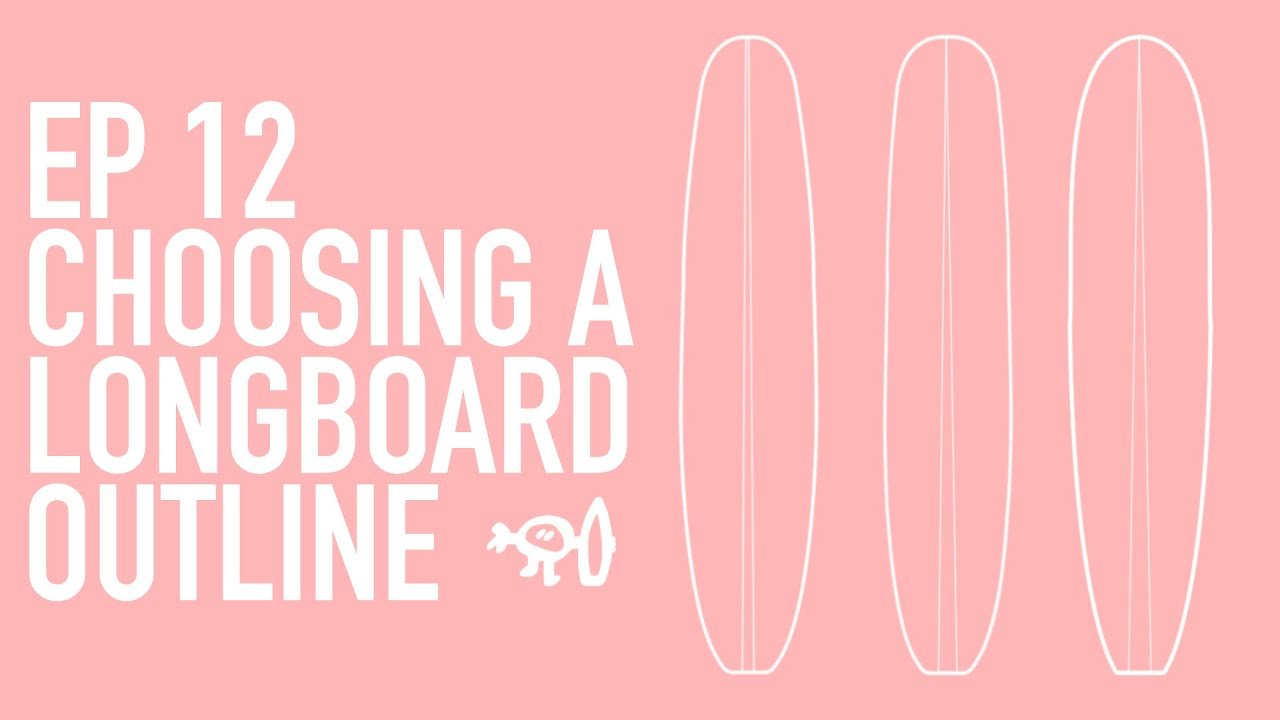
Compare longboard outlines: Wide Point Back (maneuverability), Wide Point Center (user-friendly stability), and Wide Point Forward (nose support). Choose the best for your wave type.

Advice on longboard design: learn why beginner to advanced surfers need center-wide-point stability while competitive surfers require a wide-point-back design for critical turning and pocket noserides.

his test proves longboard fin position matters: moving the fin forward increases turning and setup speed, while pushing it back aims for pure stability.
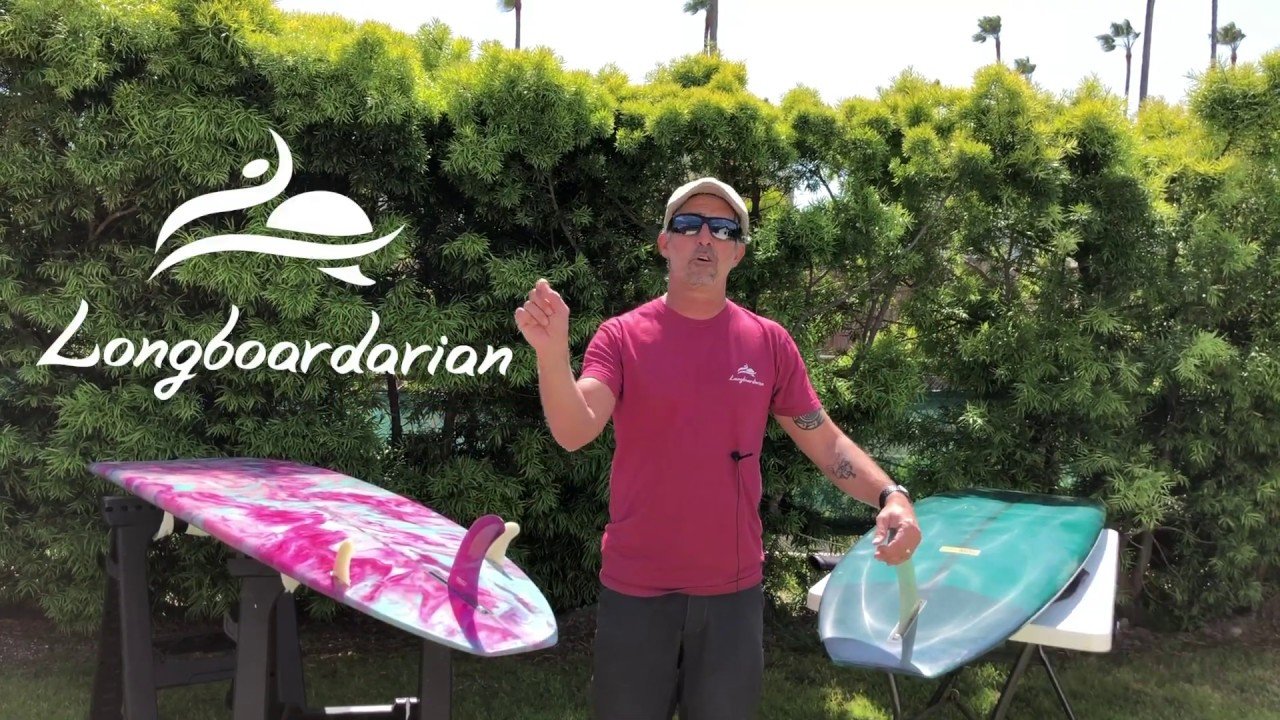
Understand the difference between a high-performance 2+1 fin setup and a classic single fin for longboarding, and how each affects stability and turns.
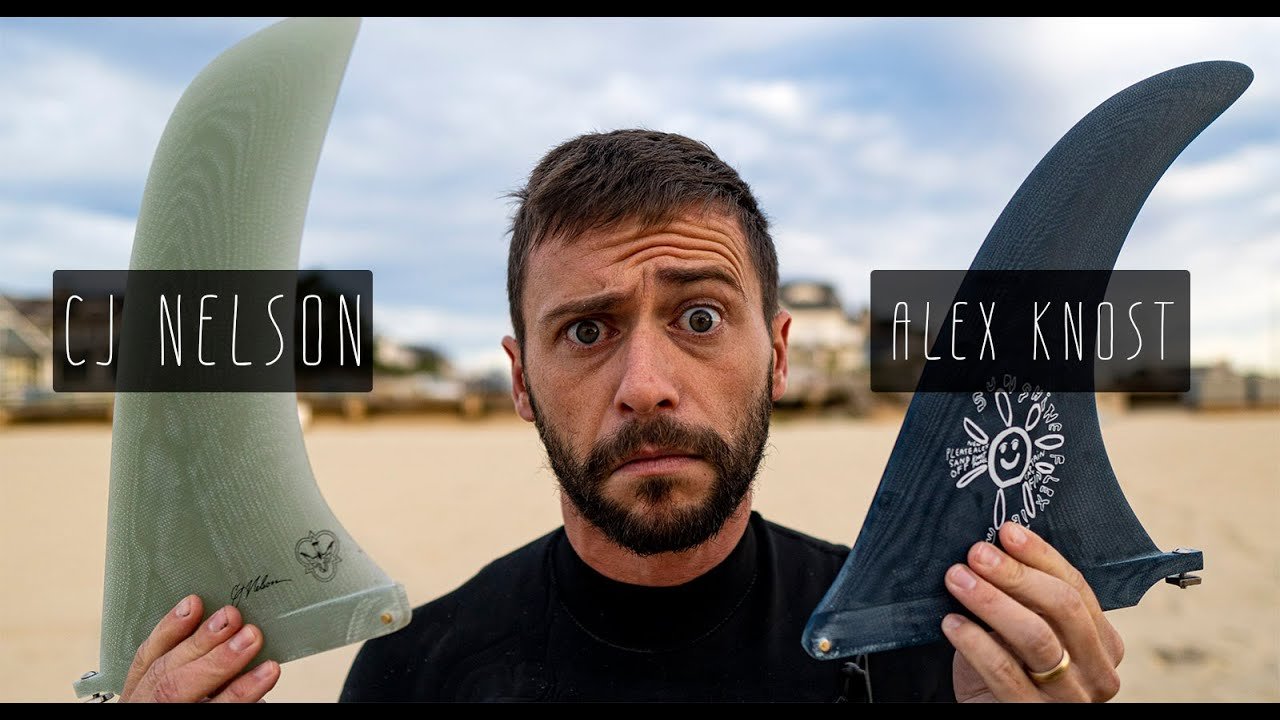
Longboard fins make a huge difference! This fin test compares the flexible Alex Knost model against the super stable CJ Nelson Nose Rider to show how stability affects cross-stepping.

Explore the world of longboard single fins, learning about fin sizing, pivot vs. flex designs, and how to adjust fin box placement for control or looseness.
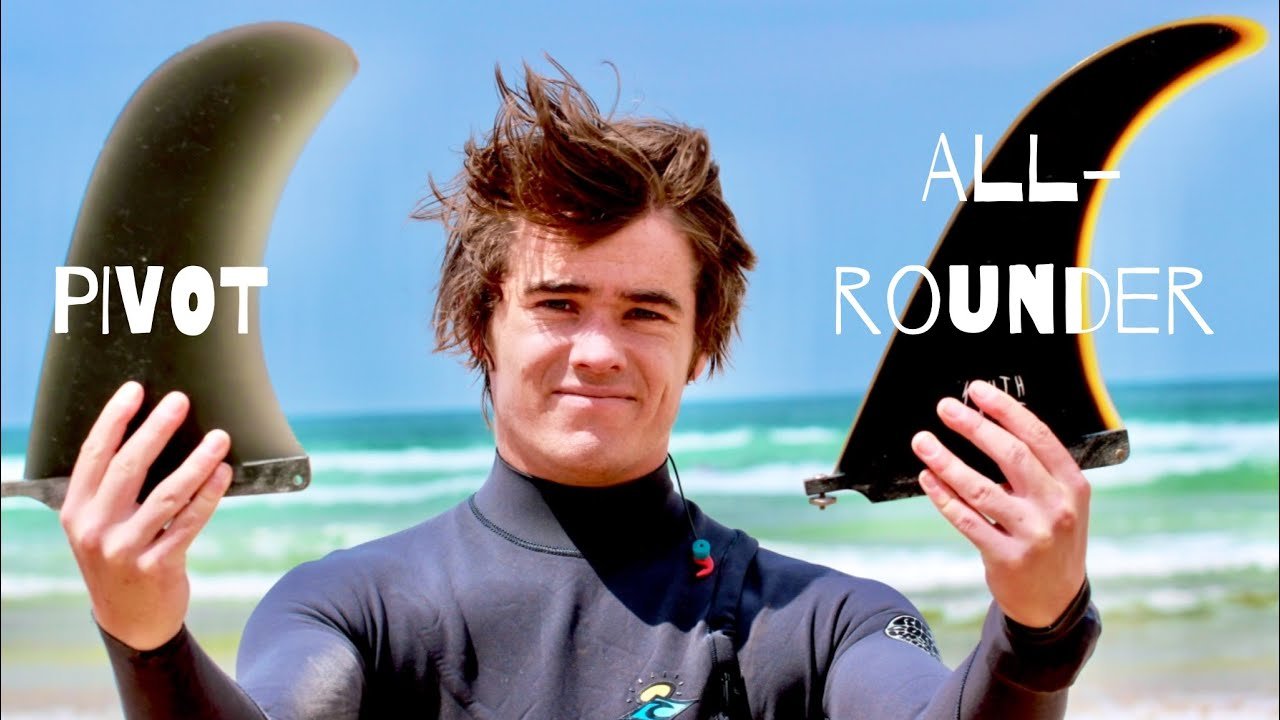
Compare pivot and raked longboard fins to learn their performance differences in nose rides (anchor vs. control) and turns (quick pivot vs. drawn-out carving).

Noseriding differs significantly by wave size: learn to stay high and angled on big waves versus getting low and critical on small waves for maximum stability and speed.
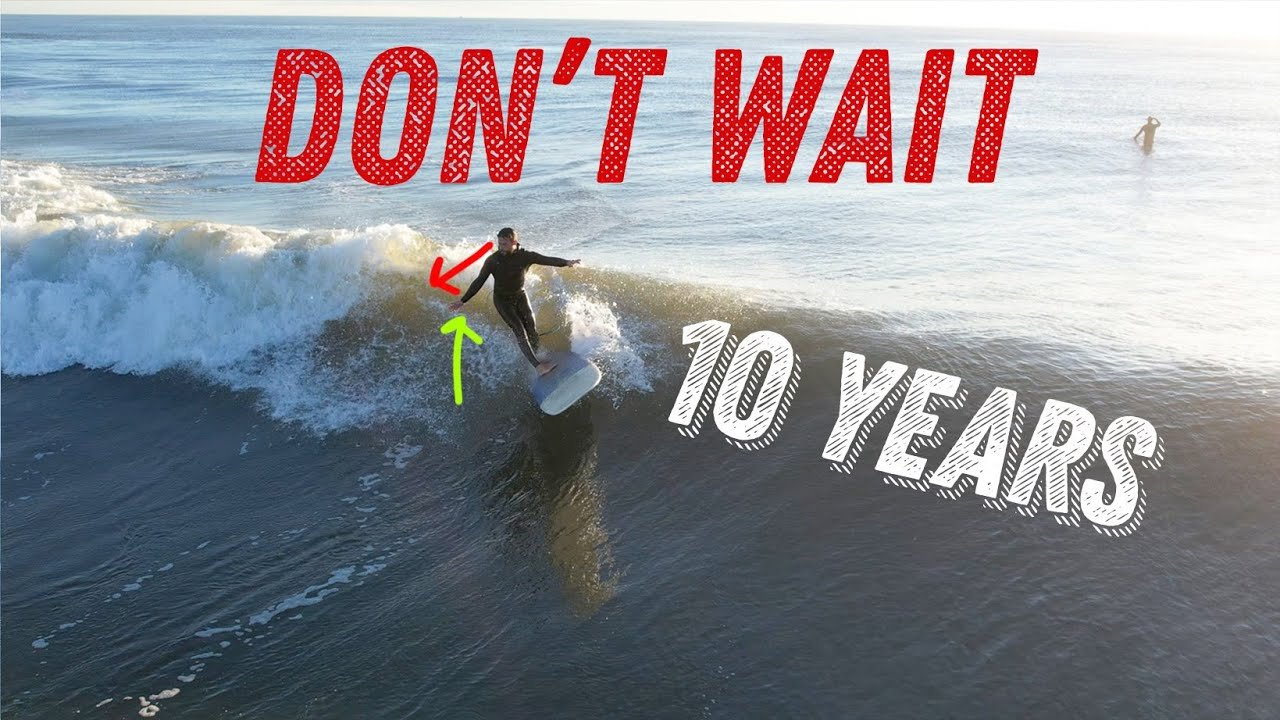
Unlock massive carving turns by mastering the shoulder drop and back foot parallel stance, which is key to opening the chest and committing weight to the back of the board.