The OPTIMAL Position for Noseriding Your Longboard
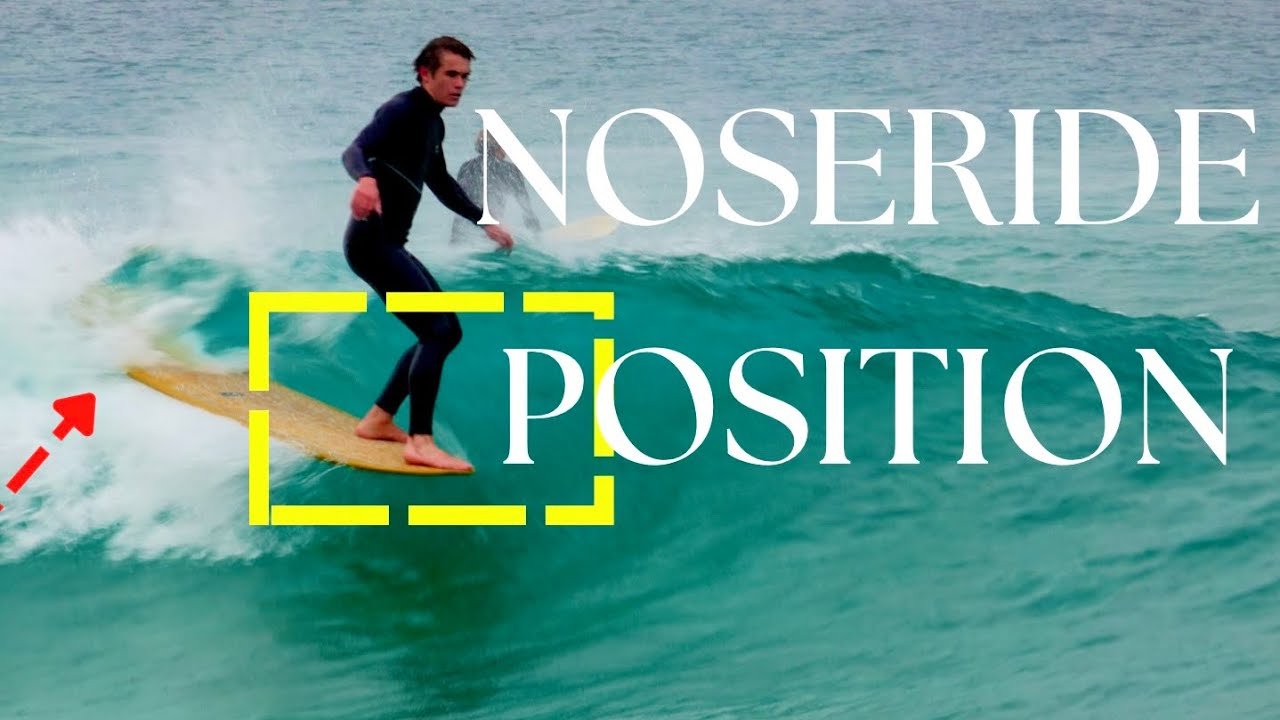
Discover the optimal position for noseriding by learning why staying in the critical section creates necessary lift and tail-anchoring force to prevent nose dives.

Discover the optimal position for noseriding by learning why staying in the critical section creates necessary lift and tail-anchoring force to prevent nose dives.

Master backhand noseriding by learning how to rotate your chest, adjust your gaze, and use the heel-side rail to position your longboard in the wave’s critical section.
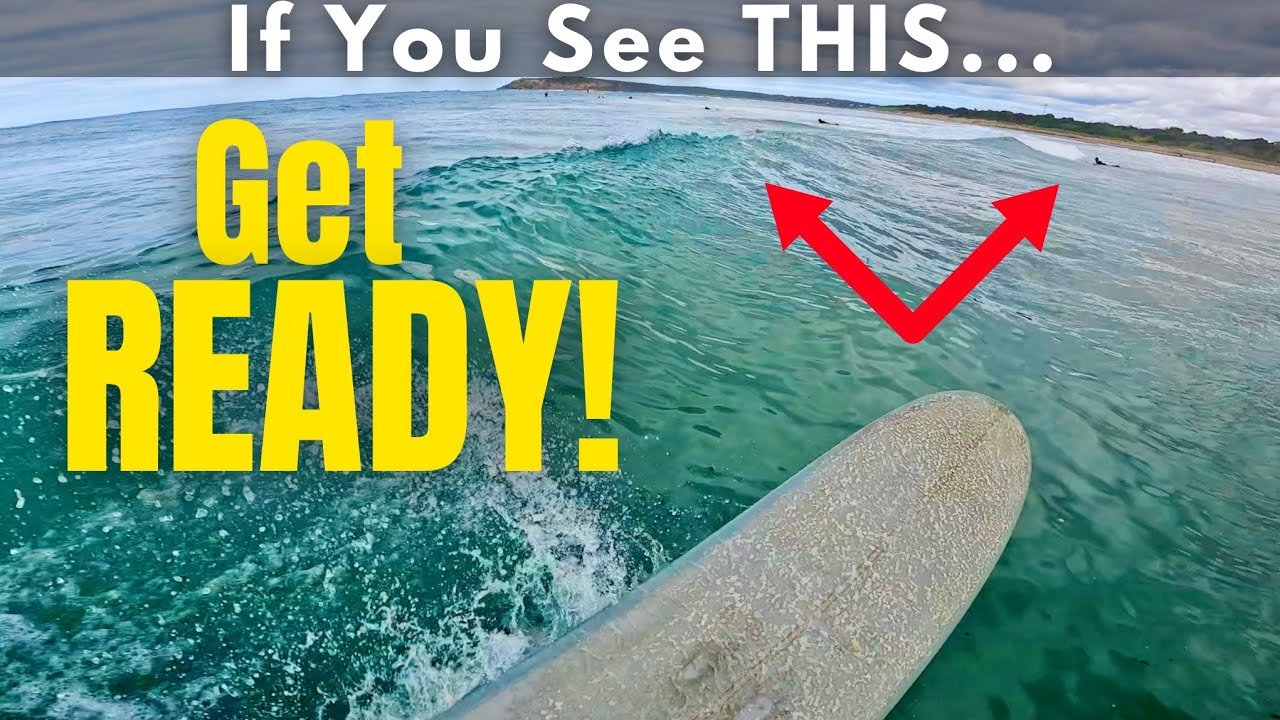
Master how to recognize the perfect nose ride section ahead of you and use the “threading the needle” approach to position your longboard for success.
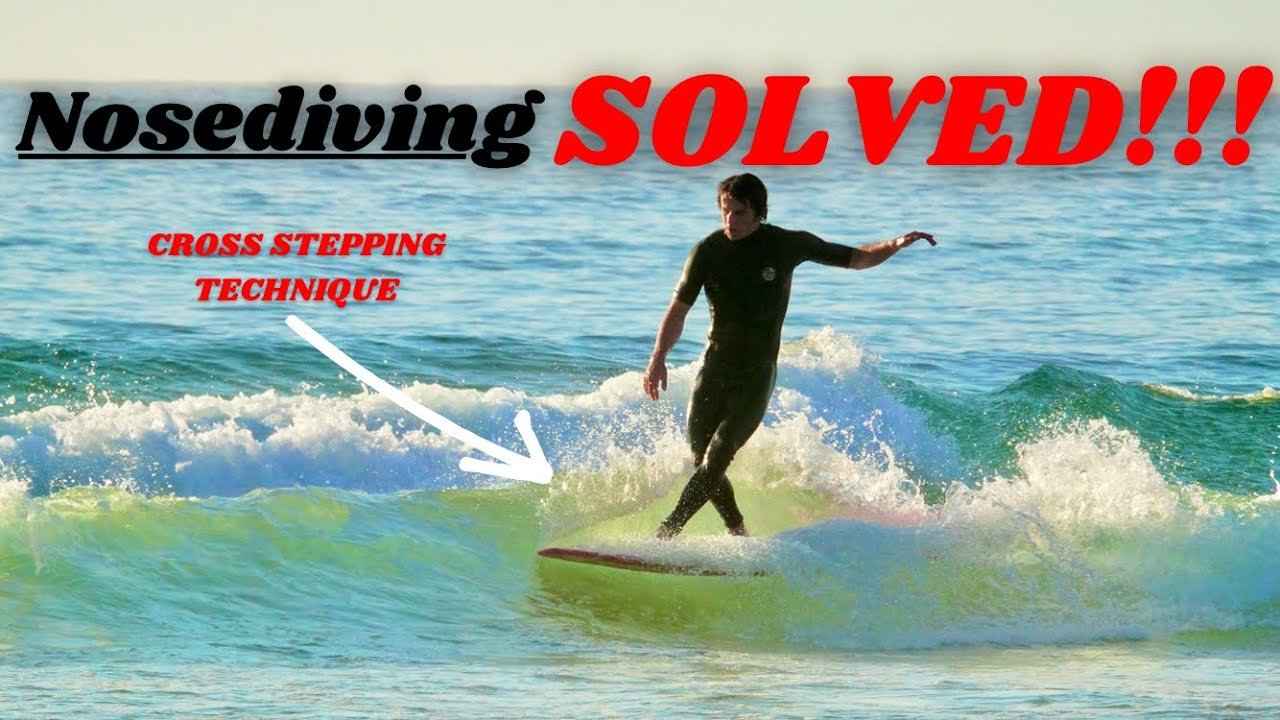
Learn the foundational technique for cross-stepping: start your movement from the tail, aiming to land in the stable center of the board to eliminate nose diving risk.
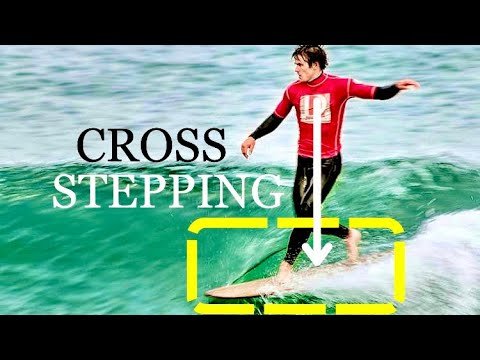
Master the difficult backwards cross step by committing weight from the hips down, practicing from mid-board, and correcting your foot’s landing on the stringer line.
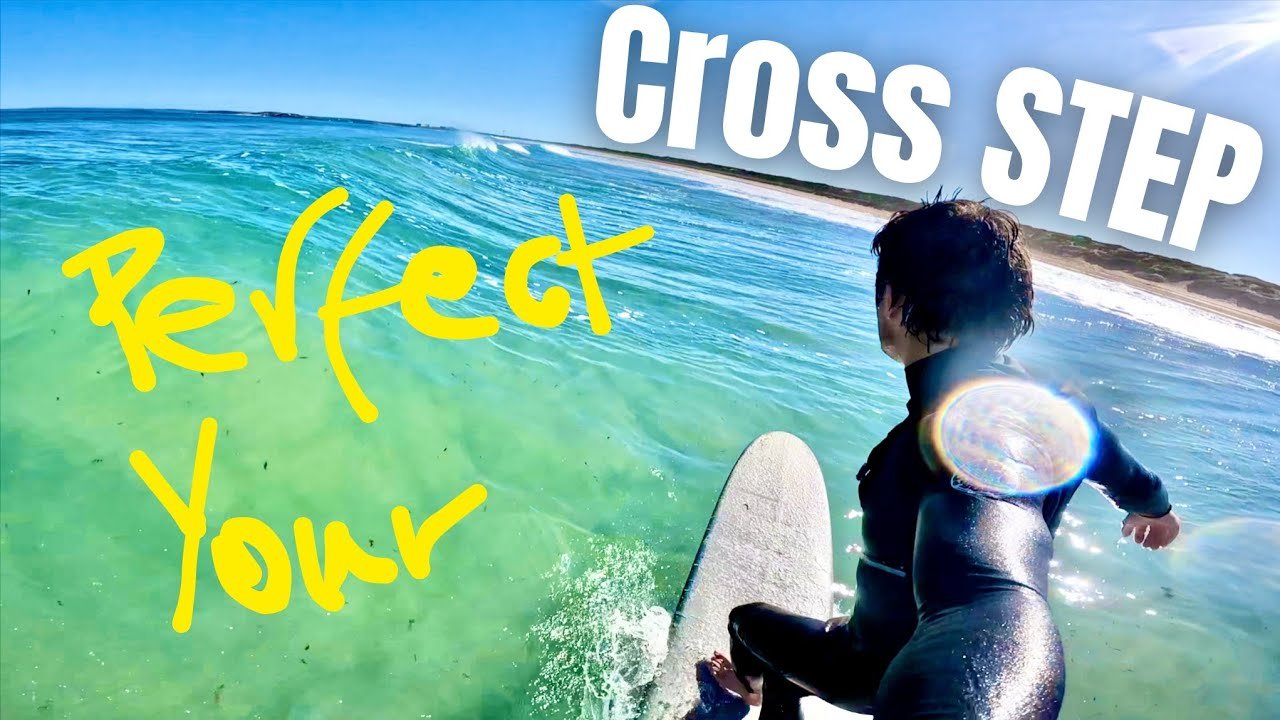
Master the crucial cross-stepping step by learning the “small step, big step” spacing method to maintain balance and avoid missing the nose of the board.
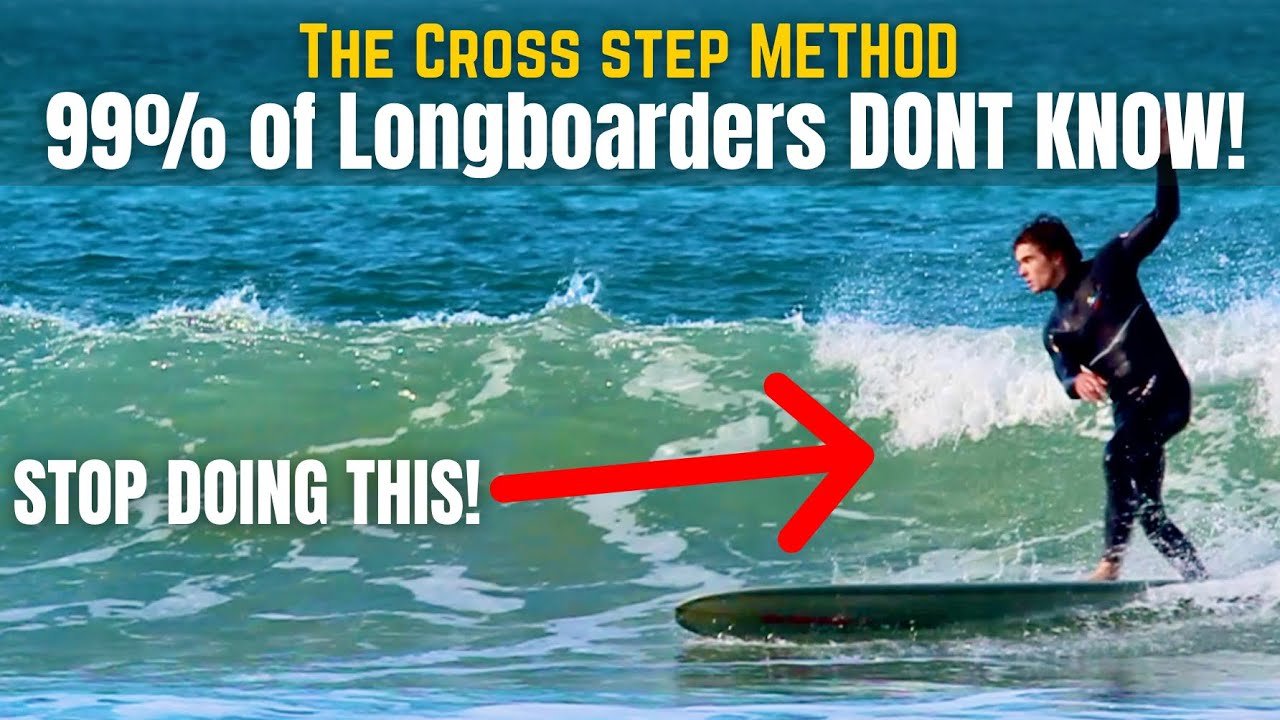
Master the frontside cross step by practicing the “Step and Hold” technique on land and water to gain confidence and stop the common mistakes of skipping and hesitation.
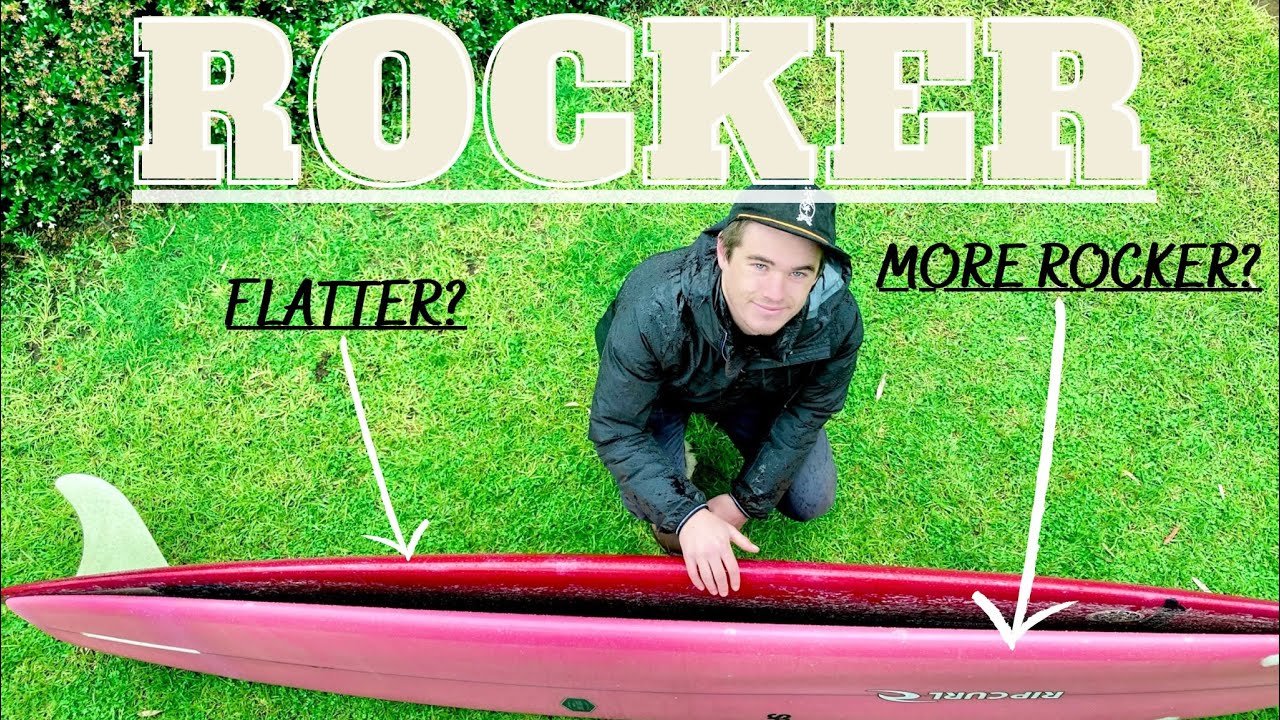
Learn how longboard rocker influences surfing: flat rocker maximizes speed for point breaks, while high rocker adds safety, helps turning, and prevents nose diving in chunky conditions.
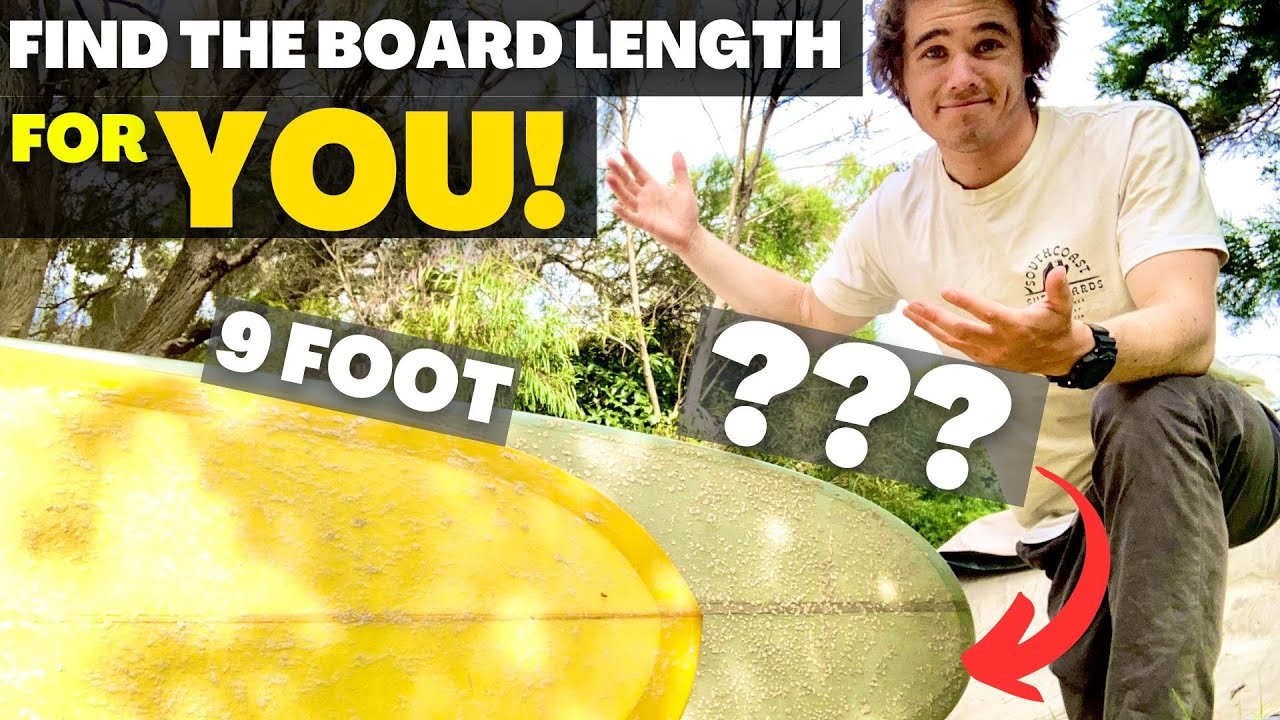
Board size heavily depends on style (performance vs. traditional) and your build. Use this framework to choose a size that supports your paddle speed and maneuverability.
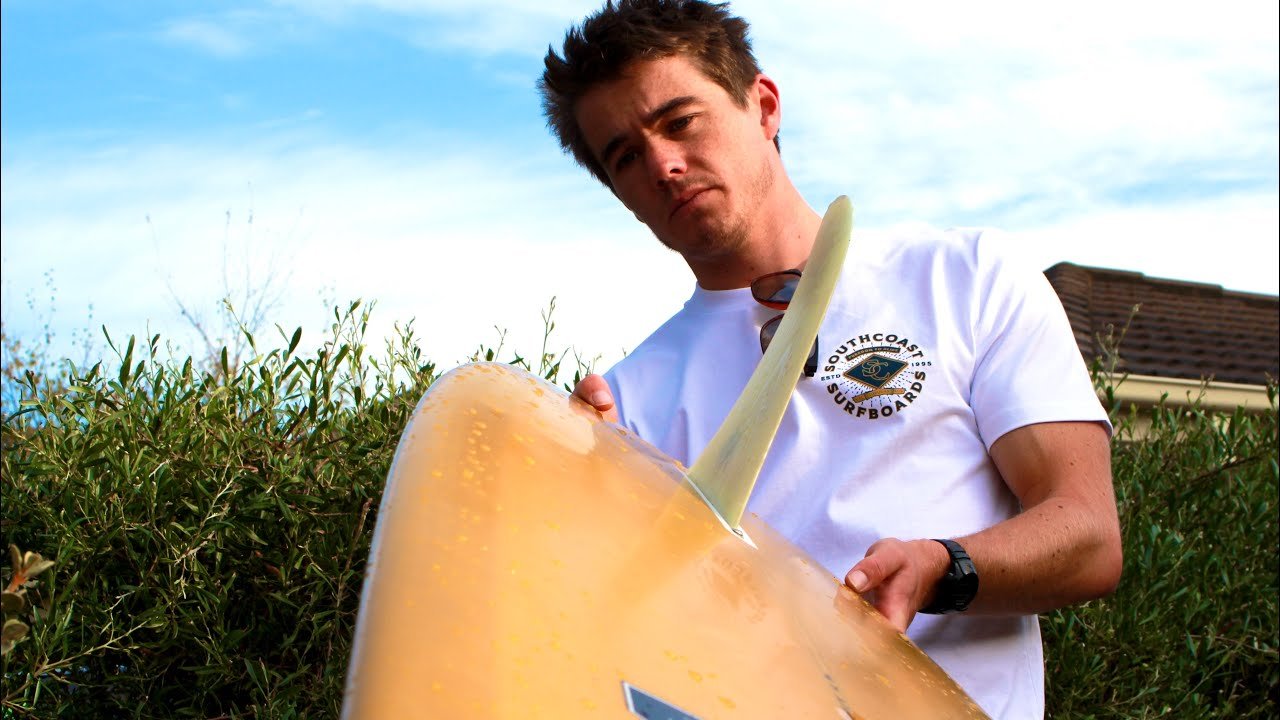
Learn essential longboard design differences—rocker and wide point—to ensure your board supports cross-stepping and turning, avoiding gear that stifles progression.