
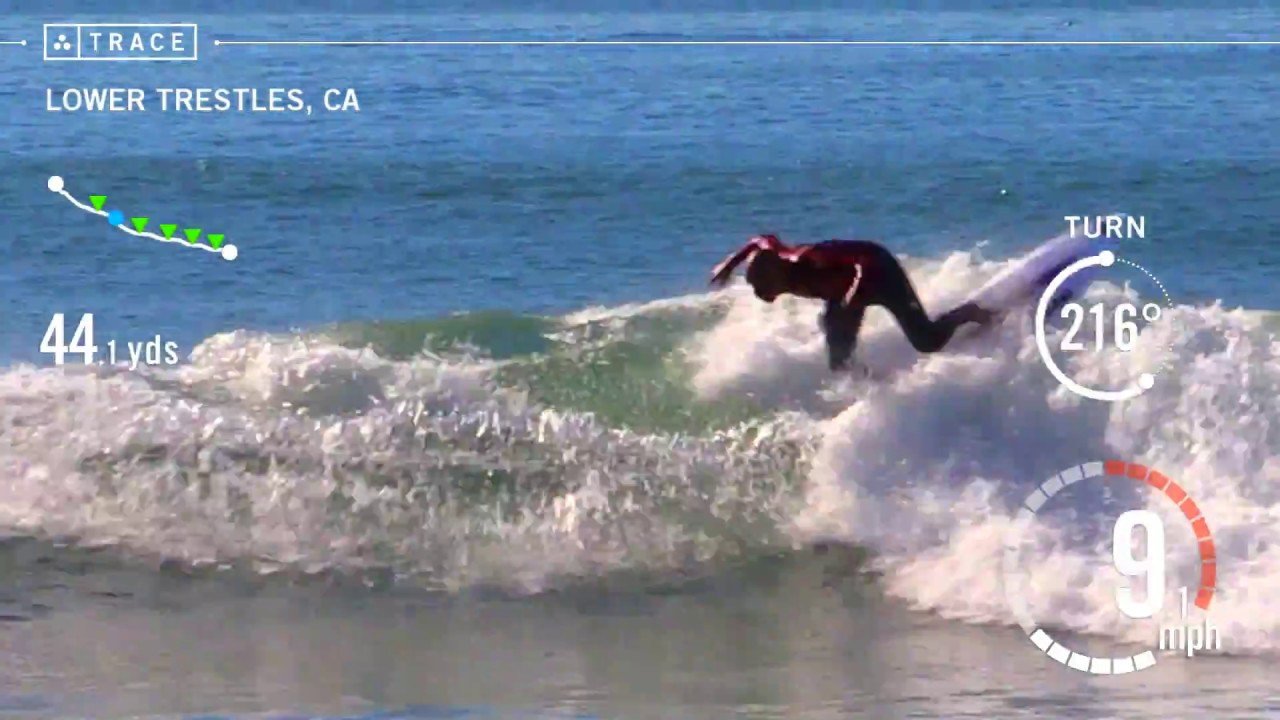
This comprehensive review compares five different shortboard constructions—all based on the same model and dimensions—to analyze the differences in flex pattern, durability, weight, and overall performance. The boards tested included PU/Poly, EPS, Flex Bar, XTR, and Varial Foam.
Key Takeaways & Tips
1. Polyurethane (PU/Poly)
The staple construction serves as the bar for comparison. It gets its strength from the stringer and glass job and provides a classic, familiar feel. It is the lowest cost option, but has the shortest lifespan due to pressure dents and the duration of the foam core.
2. EPS/Epoxy (Open Cell)
This construction is super light and dense, resulting in great life and strength. It is an open cell foam, meaning if dinged, the cells are open and susceptible to pulling in water and must be fixed quickly. It is significantly more durable than PU.
3. Flex Bar (CI/EPS)
This construction uses EPS foam with no stringer, instead relying on a Flex Bar (high-density foam) for inner structure and controlled flex. The Flex Bar is cool for small waves, adding spring and pop out of turns. It includes a one-year break/buckle replacement guarantee.
4. XTR (Closed Cell)
XTR uses extruded polystyrene foam (closed cell), meaning it won’t suck in water if dinged. It’s a dense, durable construction that holds its life and flex patterns well, with minimal deck dents. It is prescribed for specific rider weights to match flex.
5. Varial Foam
Varial foam is a proprietary, closed-cell construction that is seven times more rigid than PU. It provides tremendous strength and durability. It can be glassed with either Polyester (more flex) or Epoxy (more stiffness) resin.
Common Mistakes to Avoid
Ignoring Open Cell Risk
Riding an open cell EPS foam board without acknowledging the risk of water damage. If dinged, the board will quickly pull in water and must be fixed immediately.
Underestimating Cost Jumps
Not budgeting for the increased cost. The jump from PU ($695) to basic EPS is about $125, while specialized constructions like the Flex Bar ($885) or Varial ($1,000+) are significantly more expensive.
Ignoring Glassing Type
Assuming the same Varial foam core will feel the same regardless of resin. Glassing with Polyester resin will result in a more flexible feel, whereas Epoxy will make the board noticeably stiffer.