
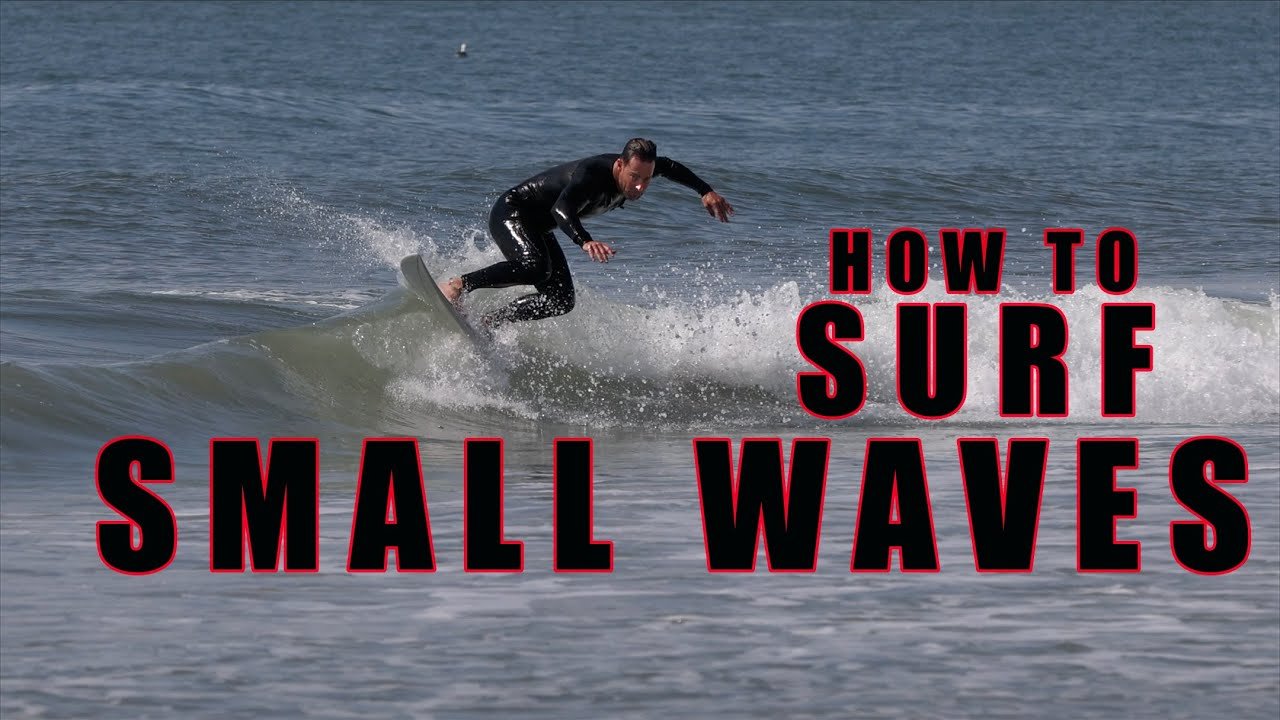
This tutorial shows how to make the most out of small, tiny days by maintaining speed and staying busy. The key to surfing knee-high or ankle-high waves like a pro is to always be moving and working the board up and down the wave face to stay ahead of the closing sections.
Key Takeaways & Tips
The Pro Strategy
On tiny days, you must stay super busy and super fast. The pro strategy is to move the board up and down the wave face immediately upon getting up, trying to get as much speed as possible to stay ahead of the wave.
Avoiding the Closeout
The secret to making a small wave look rideable is to stay in front of where it looks like it is closing out. By staying busy and moving, you make the wave look like it is not closing out.
Backside Error (Flat Board)
A common mistake on the backside is having the board too flat, like a “tabletop flat.” This prevents the snap, slows the surfer down, and causes them to get stuck on the lip, rather than snapping through.
Staying High
To build speed, you must immediately come back up and stay high on the wave face after the bottom turn. This maximizes the speed you get when coming back down.
Aggressive Turn
If you want to get to the next level of aggression, throw the board straight up over the closeout section and spin the tail out. This aggressive approach is necessary to maximize the turn on a small wave.
Running the Face
You must “run” the face of the wave. Do not attempt to come down and do a deep bottom turn; instead, immediately run the face, as the wave is too fast and short.
Common Mistakes to Avoid
Surfing Flat
A major mistake is failing to engage the rail and surfing with the board flat. This slows you down and prevents you from making the snap.
Bottom Turning Too Late
Coming down and doing a bottom turn when the wave is small is incorrect. You must use the section to get up high and then turn.
Stiff Stance
Having a stiff stance and not throwing the board around (being too controlled) prevents the aggressive and quick turn needed on a closing section.
Ignoring the Longboard
The longboarder is shown successfully using the same high-line speed technique. Failing to apply this technique on a longboard means you are not getting the maximum speed from the wave.