A Beginners Guide To Poly Surfboard Repairs
Follow this beginner’s guide to repair small PU/Polyester surfboard dings, focusing on cleaning wax, prepping the area, and correctly applying poly resin with sanding.

Guides and technical information focusing on surfboard accessories, dimensions, construction materials, and gear maintenance.
Follow this beginner’s guide to repair small PU/Polyester surfboard dings, focusing on cleaning wax, prepping the area, and correctly applying poly resin with sanding.
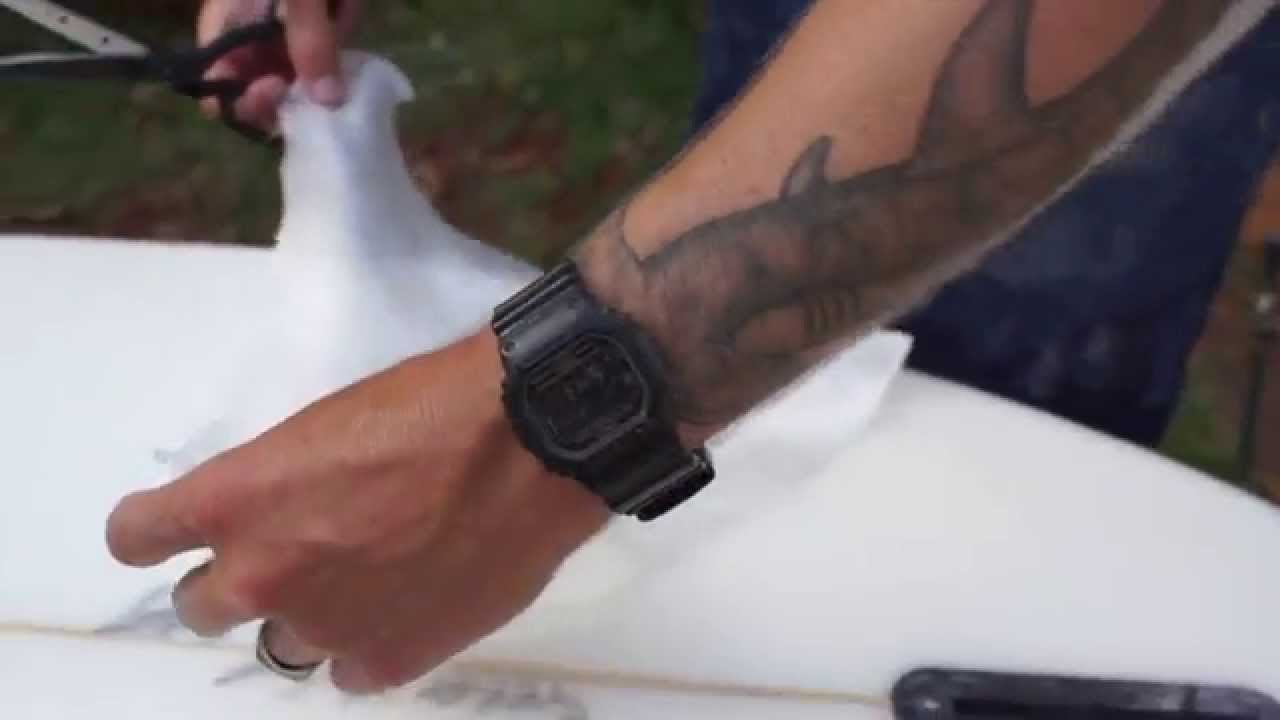
Follow this step-by-step tutorial to professionally repair a surfboard ding using epoxy resin, Q-cell filler, sanding, and fiberglass lamination.
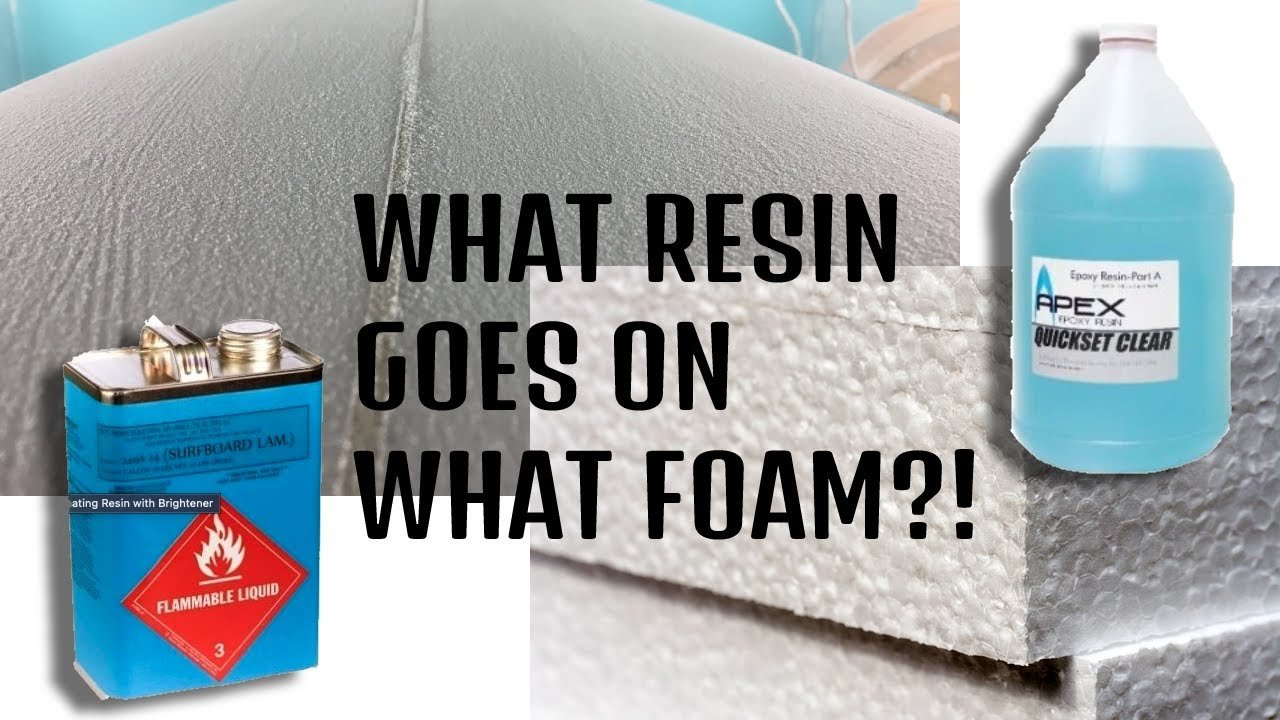
Learn the crucial difference between EPS (Styrofoam) and PU foam boards and the golden rule of ding repair: only use epoxy resin on an EPS board to avoid melting it.
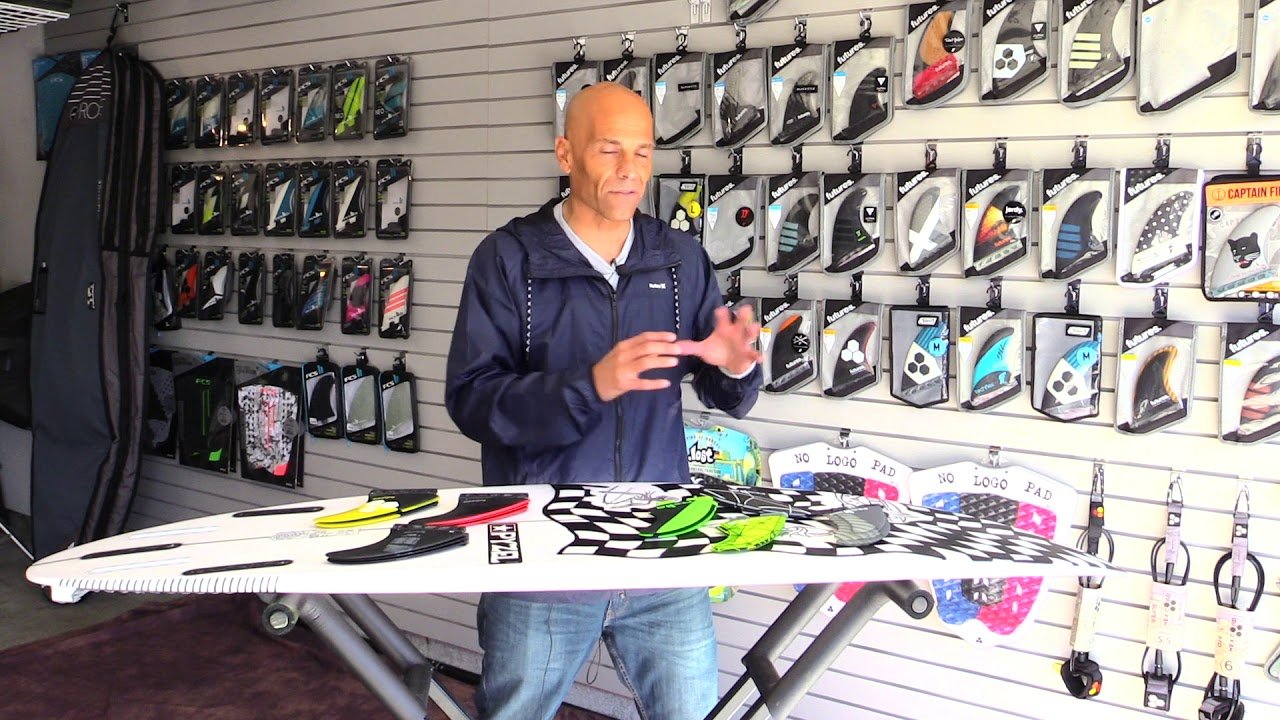
Learn the fundamental guidelines for choosing the correct surfboard fin size by matching your body weight and board type to the fin’s base, height, and area.

This review compares five shortboard constructions (PU, EPS, Flex Bar, XTR, Varial) to detail the differences in flex, durability, and cost for optimal performance.
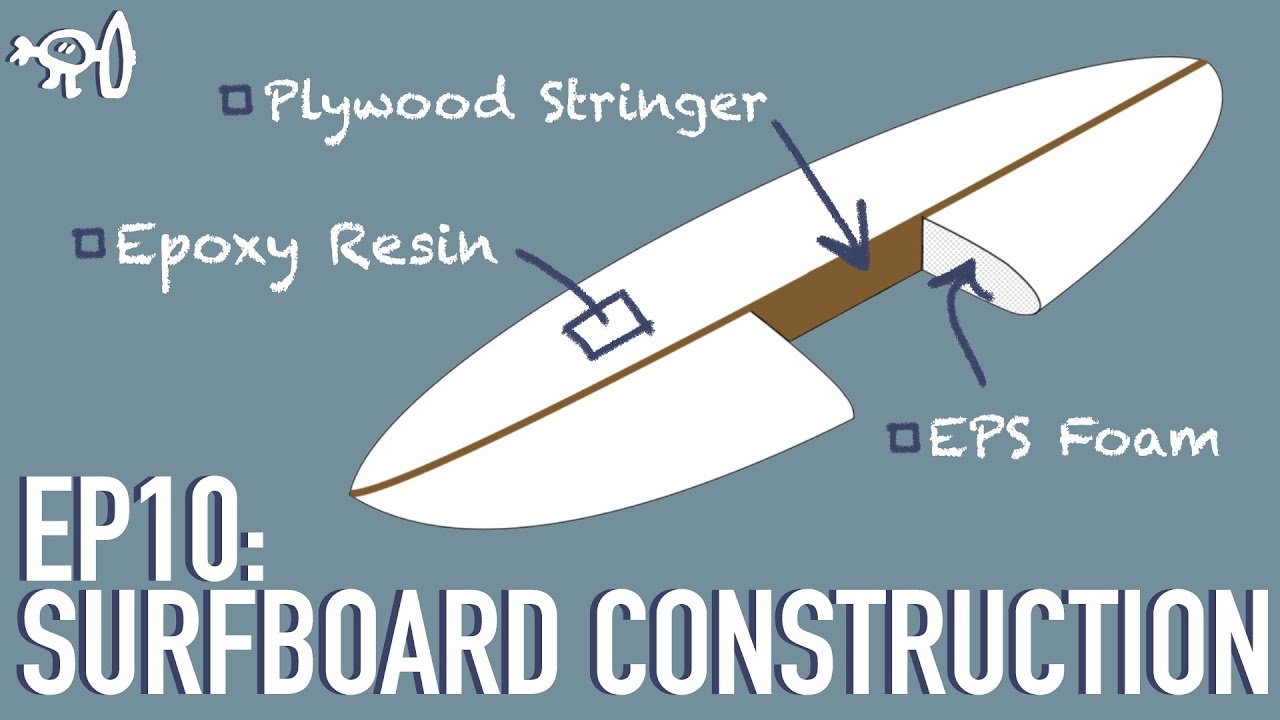
Understand surfboard core materials: compare the strength, weight, cost, and environmental impact of standard PU/Poly and lighter, stiffer EPS/Epoxy construction.

A side-by-side test compares PU vs. EPS construction in wave pool and ocean settings, revealing how the stiffer EPS offers bounce while the softer PU provides connected control.
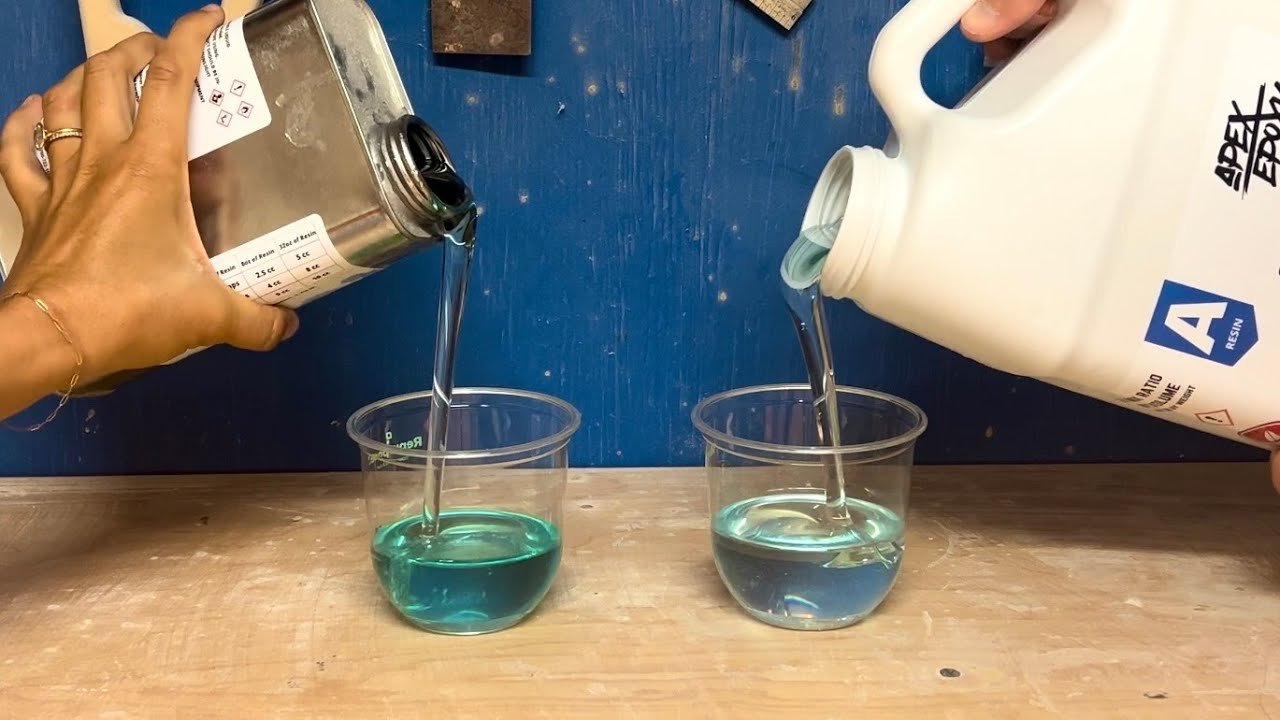
Compare Poly (PU) and Epoxy resins: Poly cures faster and is cheaper but is more brittle; Epoxy is more durable, flexible, and less toxic but requires more cure time.
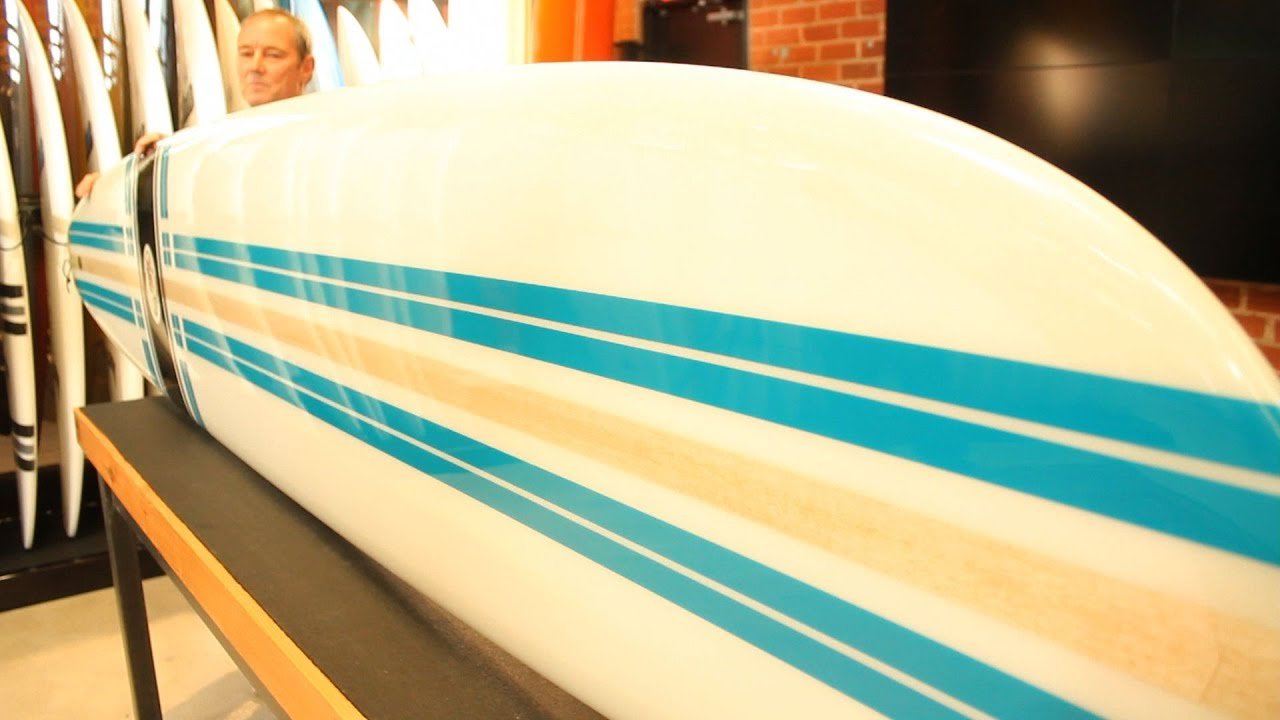
Compare the durability and performance differences between flexible polyester (PU) and rigid epoxy construction to choose the best material for your board.
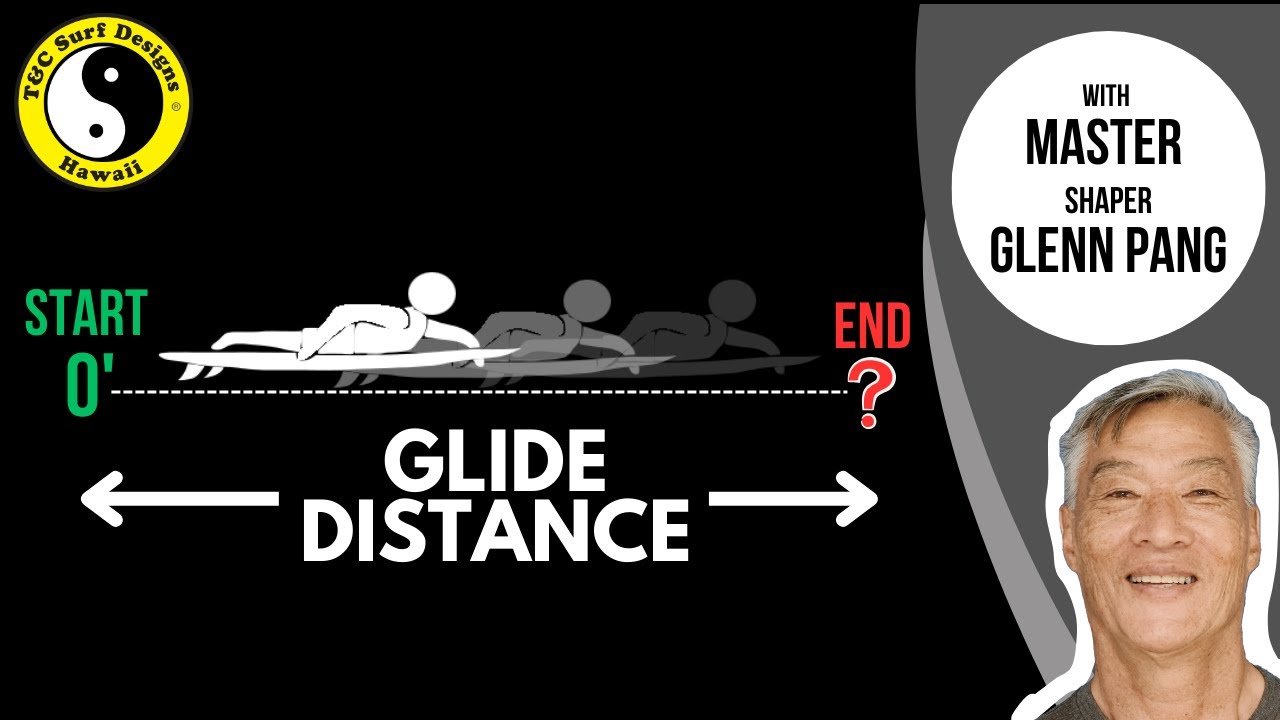
Compare EPS/Epoxy (lighter, more responsive) vs. PU/Poly (heavier, more settled) construction to find out how materials affect board momentum, durability, and performance.