The Surfboard Construction review with Noel Salas

This review compares five shortboard constructions (PU, EPS, Flex Bar, XTR, Varial) to detail the differences in flex, durability, and cost for optimal performance.

Comparative guides on surfboard building components (PU vs. EPS/Epoxy), explaining how materials influence dampness, durability, weight, and flex.
This review compares five shortboard constructions (PU, EPS, Flex Bar, XTR, Varial) to detail the differences in flex, durability, and cost for optimal performance.
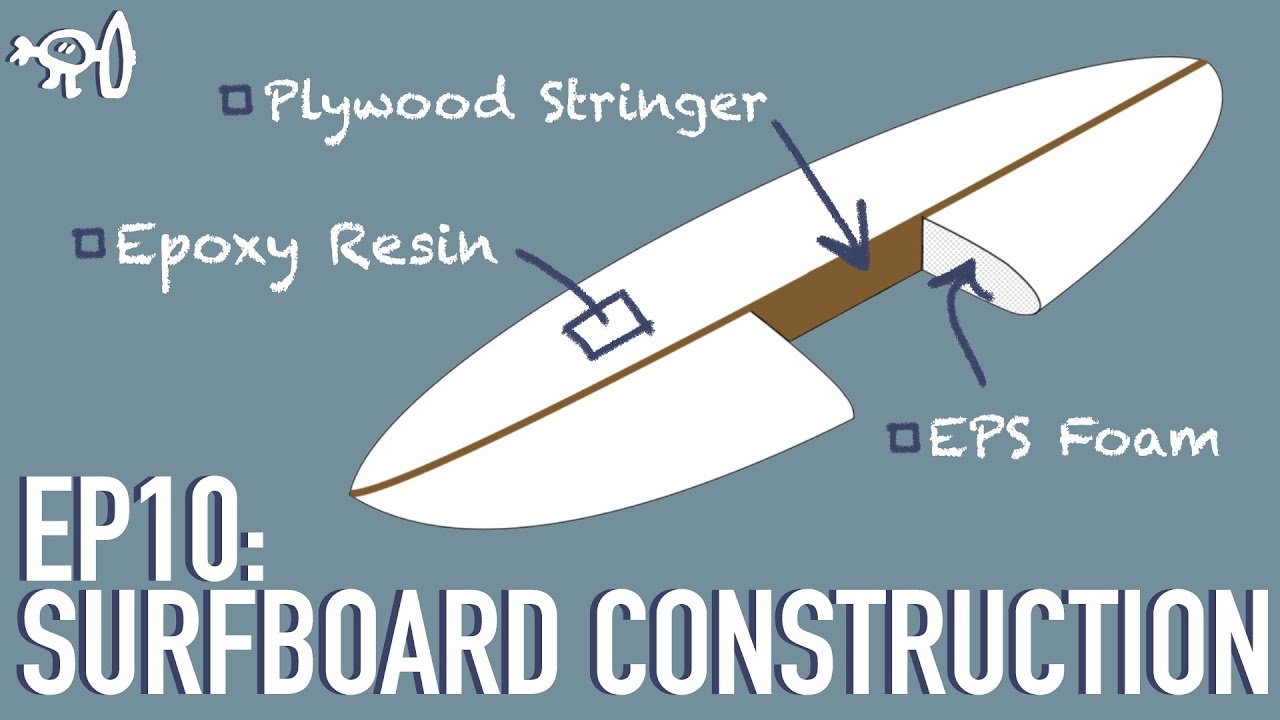
Understand surfboard core materials: compare the strength, weight, cost, and environmental impact of standard PU/Poly and lighter, stiffer EPS/Epoxy construction.
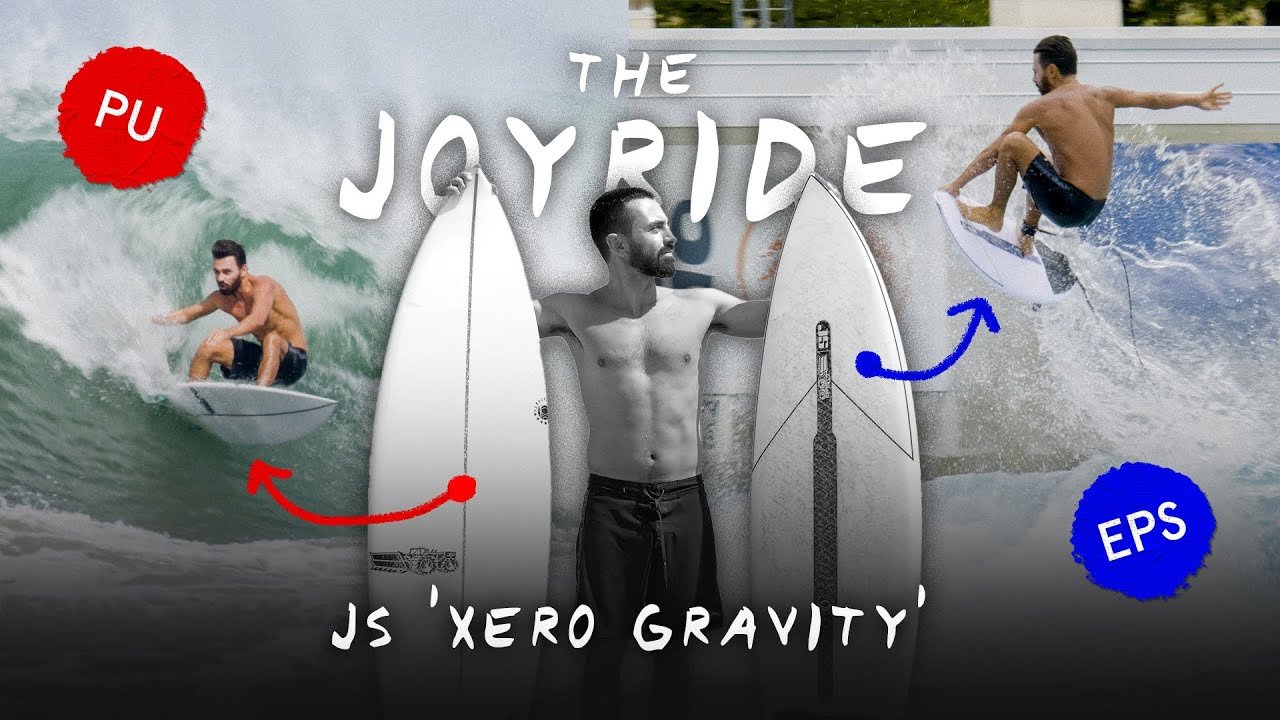
A side-by-side test compares PU vs. EPS construction in wave pool and ocean settings, revealing how the stiffer EPS offers bounce while the softer PU provides connected control.
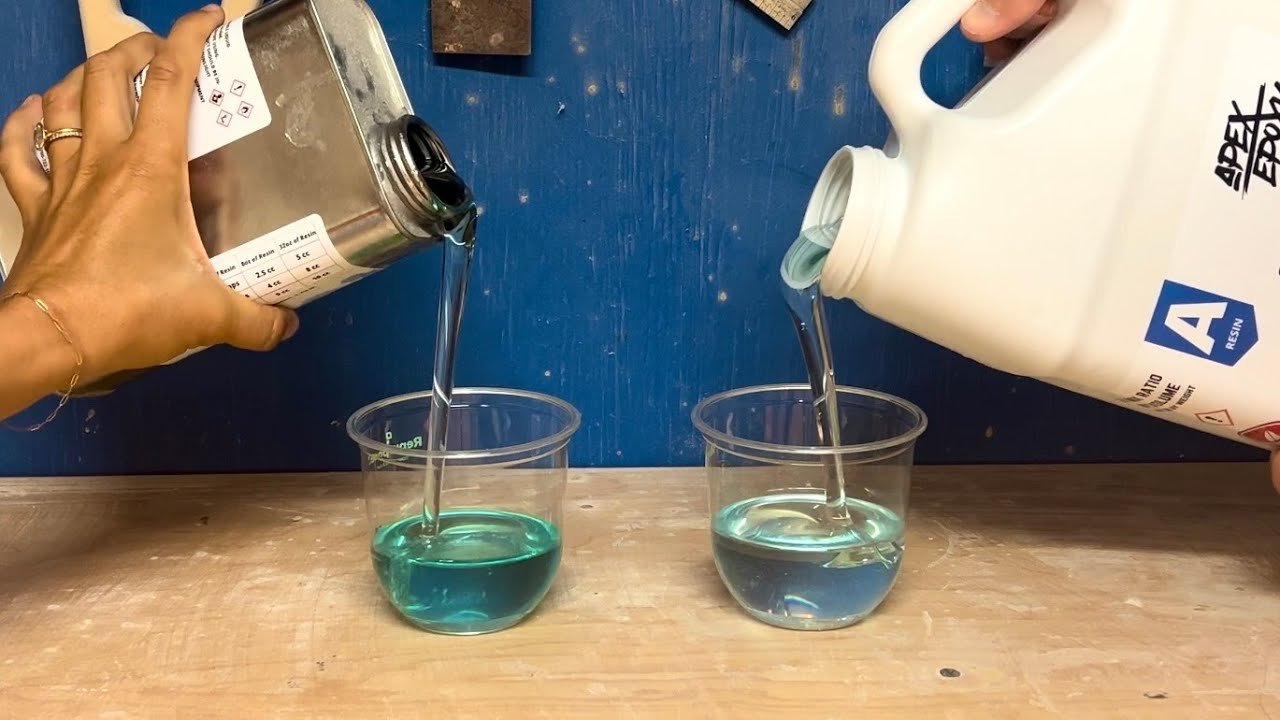
Compare Poly (PU) and Epoxy resins: Poly cures faster and is cheaper but is more brittle; Epoxy is more durable, flexible, and less toxic but requires more cure time.
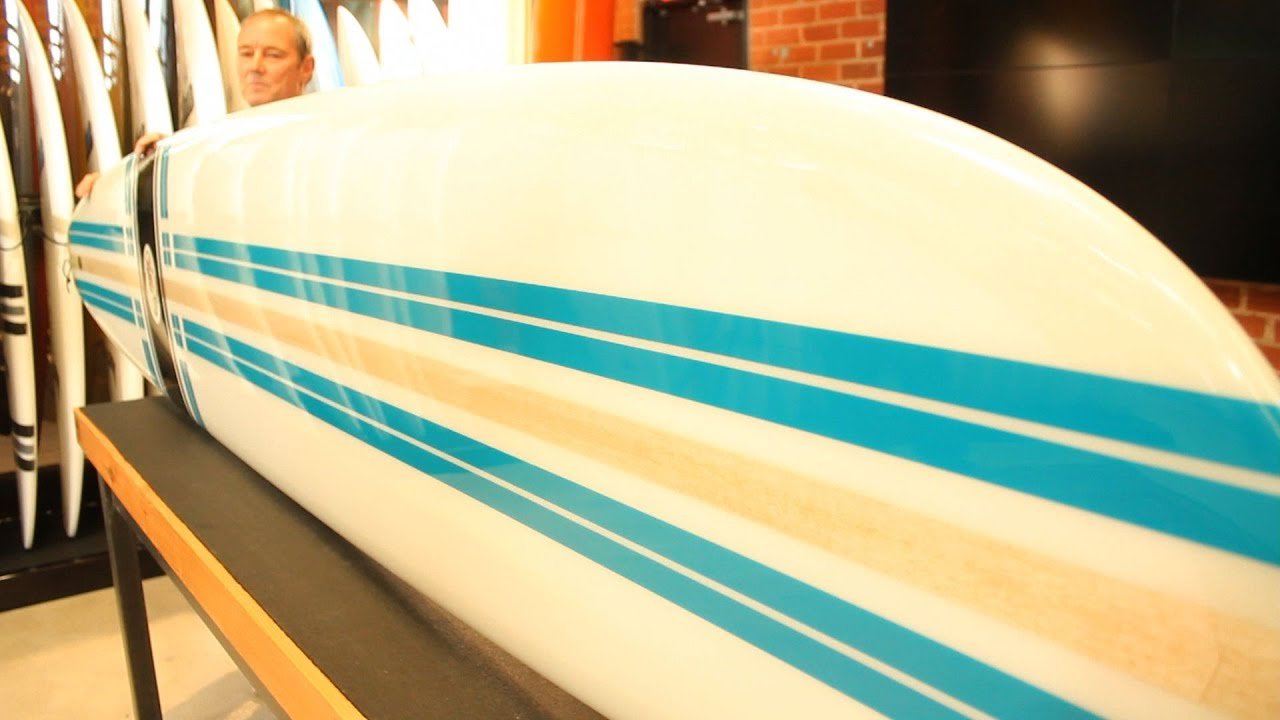
Compare the durability and performance differences between flexible polyester (PU) and rigid epoxy construction to choose the best material for your board.
Compare EPS/Epoxy (lighter, more responsive) vs. PU/Poly (heavier, more settled) construction to find out how materials affect board momentum, durability, and performance.