
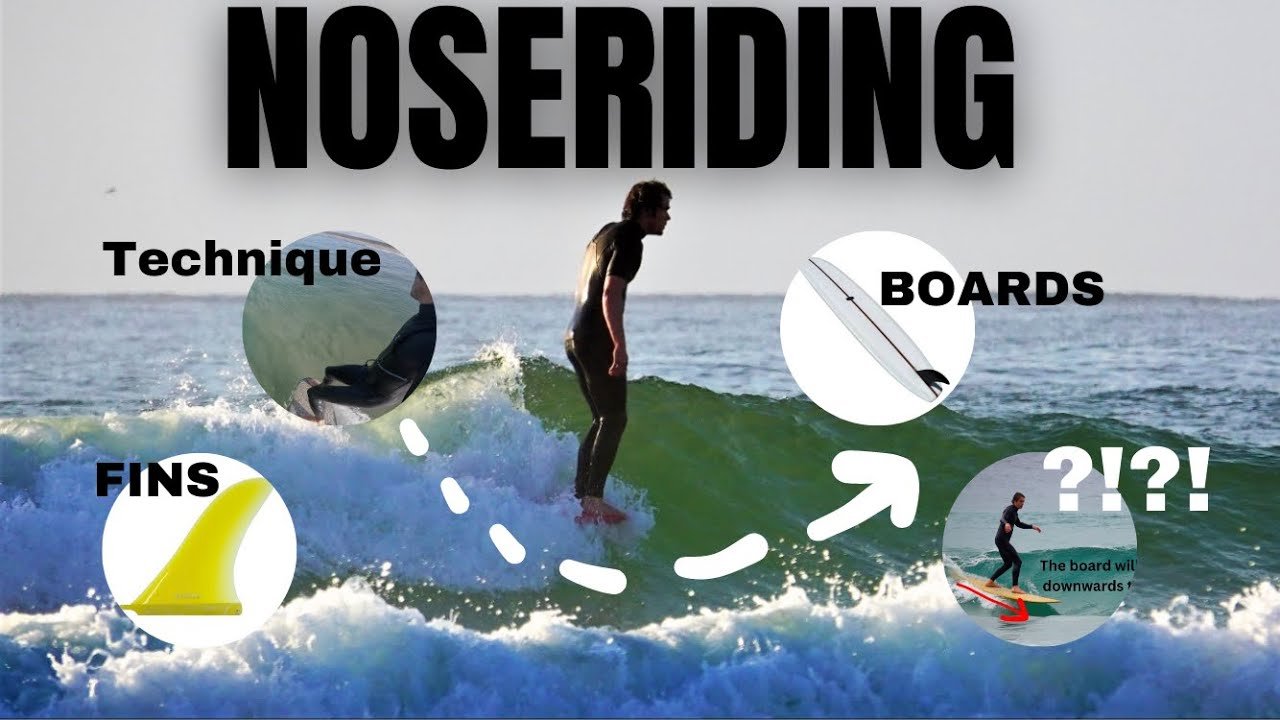
Noseriding success depends on four key areas: equipment, wave positioning, and technique. We cover what boards and fins are best, the two crucial positions on the wave for stability, and the fundamental differences between the hang five and hang ten stances.
Key Takeaways & Tips
Tail Rocker is Key
The tail is where the magic happens for noserides. A tail with a fair bit of rocker (lift) acts like a seesaw: when you press the tail down, the nose lifts, creating the platform needed for a great noseride.
Beginner Board Choice
Beginners should use a board that is more heavily rockered and has a wide platform. The heavy rocker provides safety and prevents immediate nose diving on shouldery sections, building confidence before progressing to flatter, narrower boards.
Advanced Board Choice
Advanced surfers benefit from flatter, narrower boards, as they allow the board to sit easier and lock into the critical part of the curl, creating a deep, locked-in noseride feel.
Fin Choice (Pivot Fin)
For noseriding, steer toward a single fin, typically 9 inches or taller. The traditional pivot fin is best due to its wide base and upright shape, which maximizes the fin’s resistance against the water to hold the tail down.
Positioning High (Ahead of Peak)
If you are ahead of the peak (on the shoulder), you must stay on the top third of the wave. You must hug the inside rail to stay high, otherwise the board’s natural tendency to drop down the face will cause you to nose dive.
Positioning Low (Under the Peak)
If you are underneath the peak (in the critical section), you can be lower on the wave. The weight of the breaking wave will travel exactly across the board, providing the lift needed to keep the nose up while maintaining a deep position.
Hang Five Weight Distribution
When hanging five, the front foot is primarily for show. You must keep all of your weight centered over the back foot, with the back knee slightly bent, to keep the nose light and the tail engaged.
Common Mistakes to Avoid
Excess Front Foot Weight
Placing too much weight onto the front foot during a hang five. This is effective for a hang ten, but will cause the board to nose dive in shouldery or less critical sections, leading to frustration.
Dropping Low on the Shoulder
If you are on the shoulder (ahead of the peak) and drop too low (near the flat), you will immediately nose dive because the board will naturally follow a downward trajectory on the wave face.
Flat Rocker for Beginners
Using a narrower, flatter board (inclined to sit in the hook) when first learning to noseride. This leads to frustration, as these boards require a very critical spot and will not noseride well on user-friendly shoulder sections.