Surfing Explained: Ep10 Surfboard Materials EPS & PU Foam
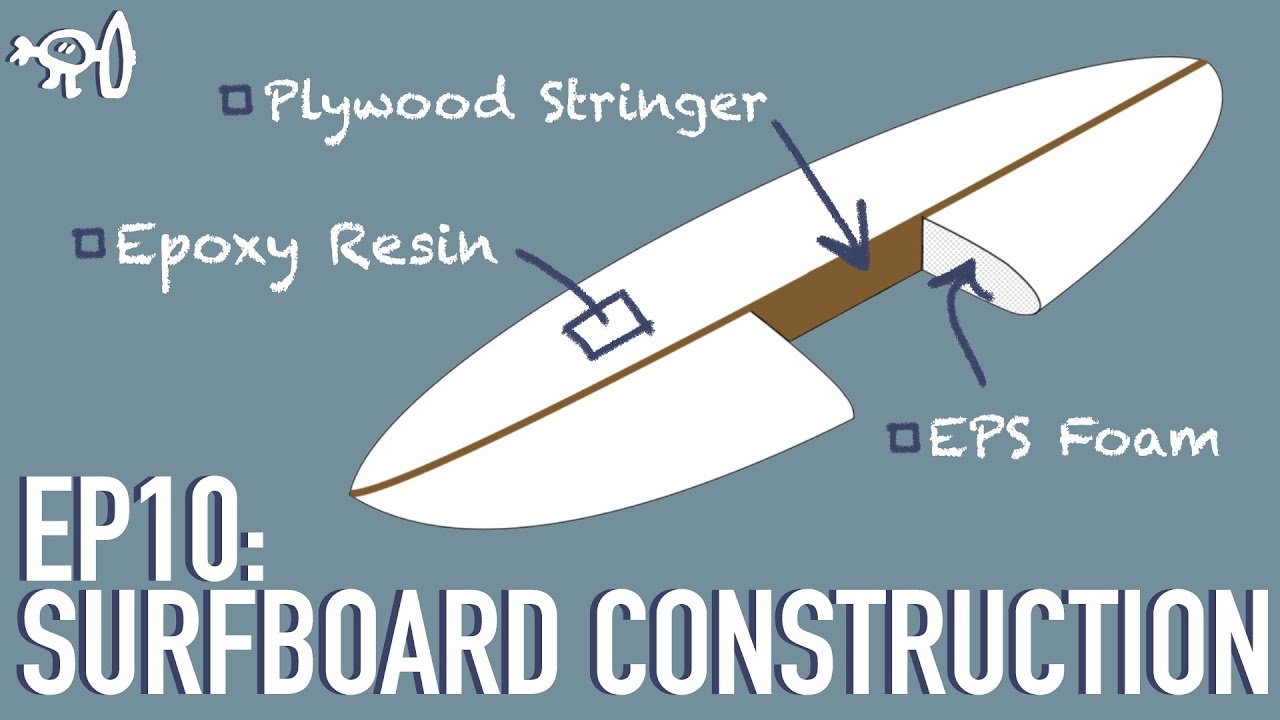
Understand surfboard core materials: compare the strength, weight, cost, and environmental impact of standard PU/Poly and lighter, stiffer EPS/Epoxy construction.

Understand surfboard core materials: compare the strength, weight, cost, and environmental impact of standard PU/Poly and lighter, stiffer EPS/Epoxy construction.
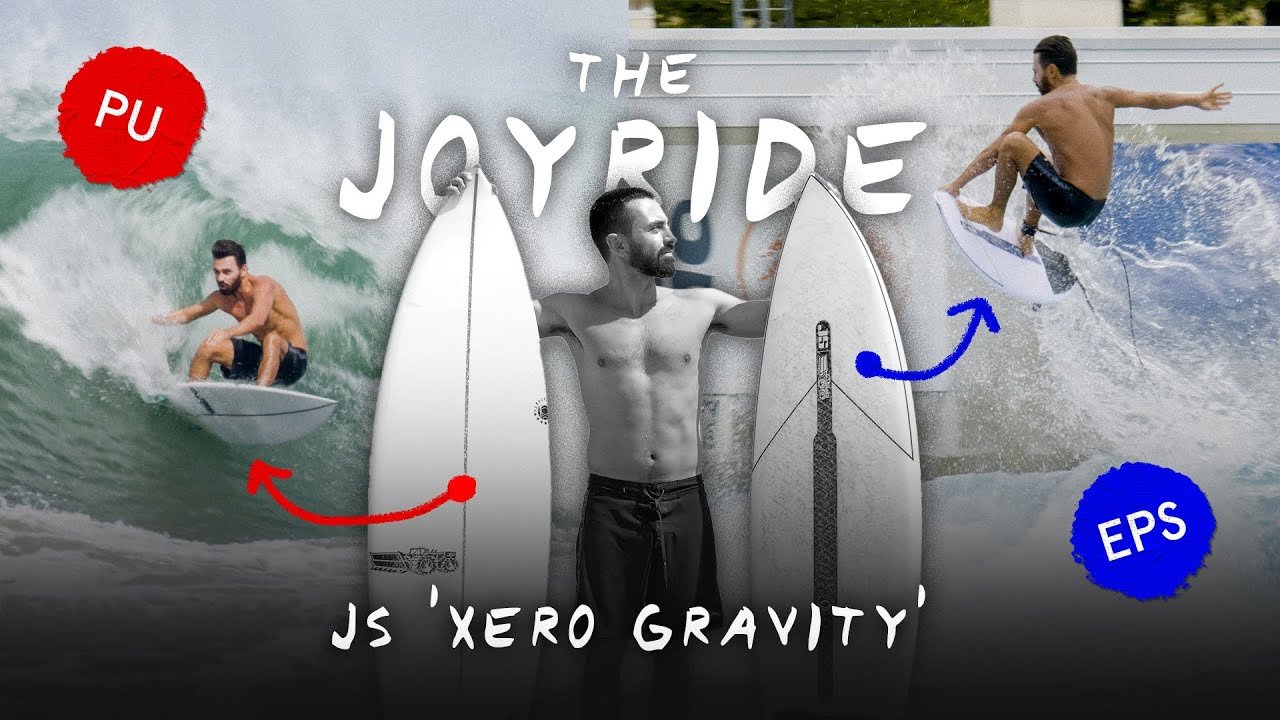
A side-by-side test compares PU vs. EPS construction in wave pool and ocean settings, revealing how the stiffer EPS offers bounce while the softer PU provides connected control.
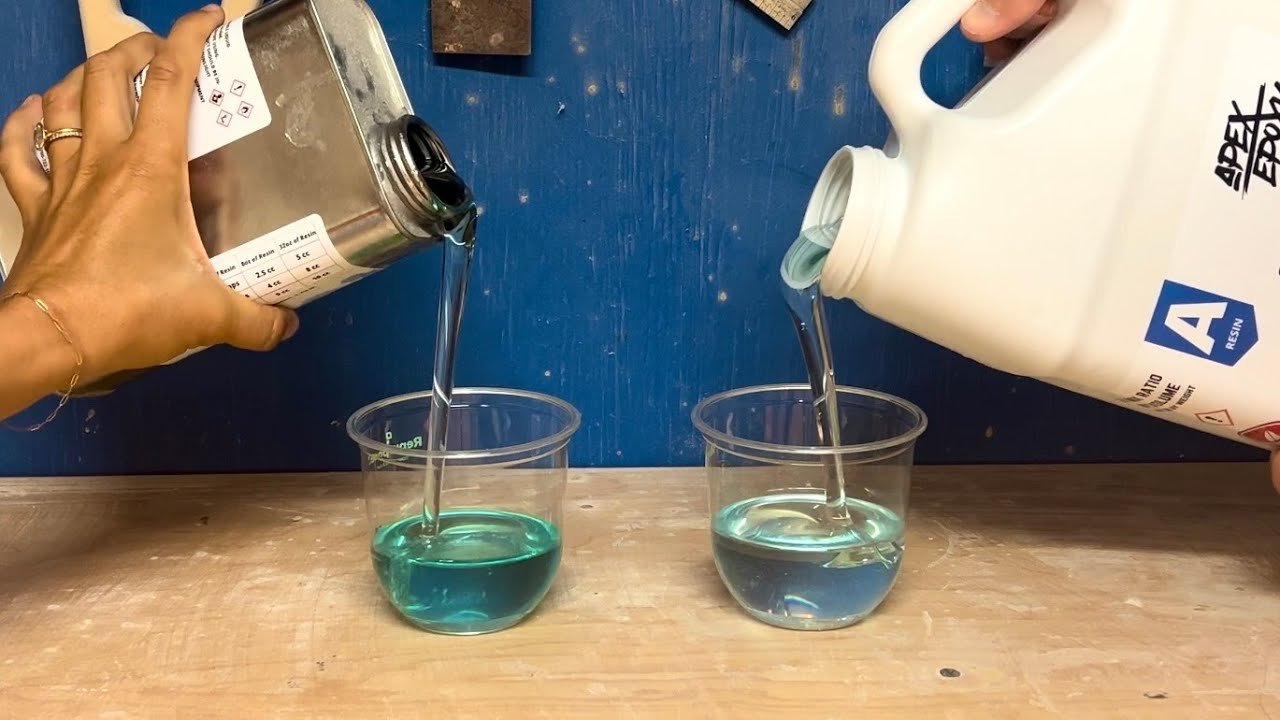
Compare Poly (PU) and Epoxy resins: Poly cures faster and is cheaper but is more brittle; Epoxy is more durable, flexible, and less toxic but requires more cure time.
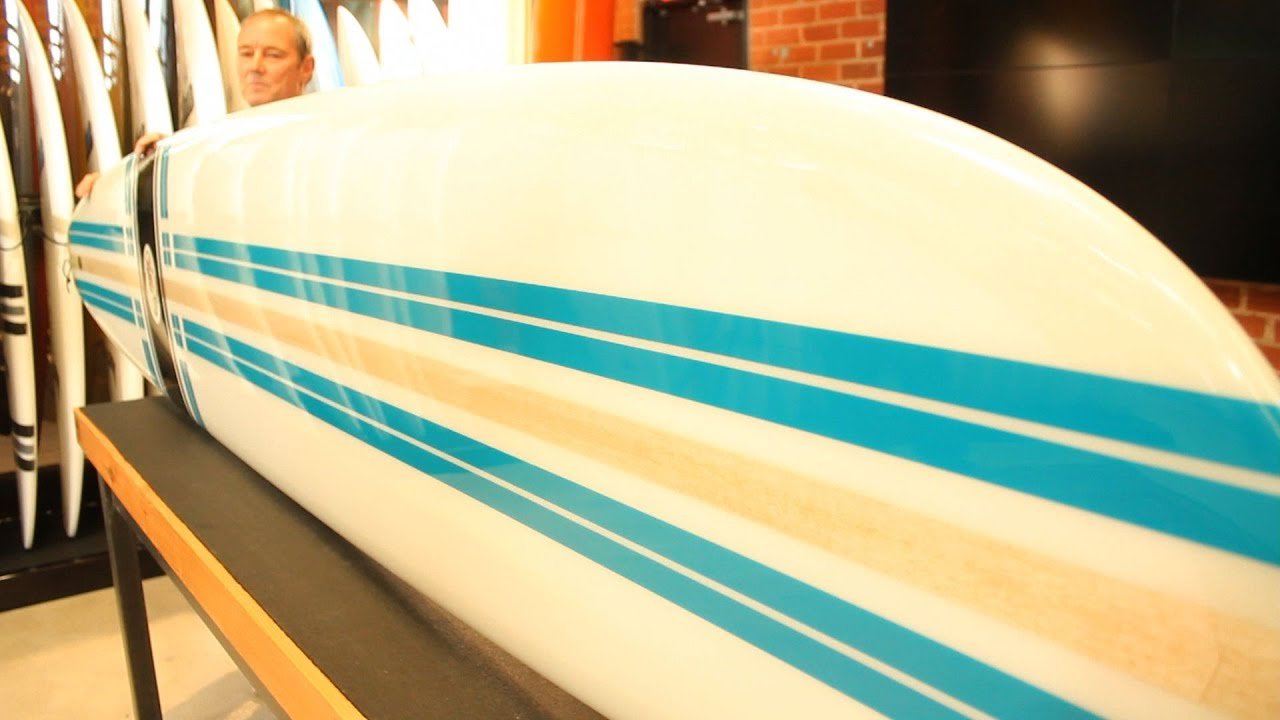
Compare the durability and performance differences between flexible polyester (PU) and rigid epoxy construction to choose the best material for your board.
Compare EPS/Epoxy (lighter, more responsive) vs. PU/Poly (heavier, more settled) construction to find out how materials affect board momentum, durability, and performance.

Understand the fundamentals of surfboard tail design—width, thickness, and shape—to choose the right tail for your weight, skill level, and wave conditions.

There are many different surfboard tail designs, and each one dramatically affects how your board performs. This guide breaks down the most common tail shapes to explain how their surface area and rail lines influence lift, control, and turning ability. Key Takeaways & Tips Squash Tail The squash tail is the standard everyday shortboard tail. … Read more

Learn how tail width and outline curve impact a surfboard’s rear performance, balancing lift/speed against maneuverability for every turn and maneuver.
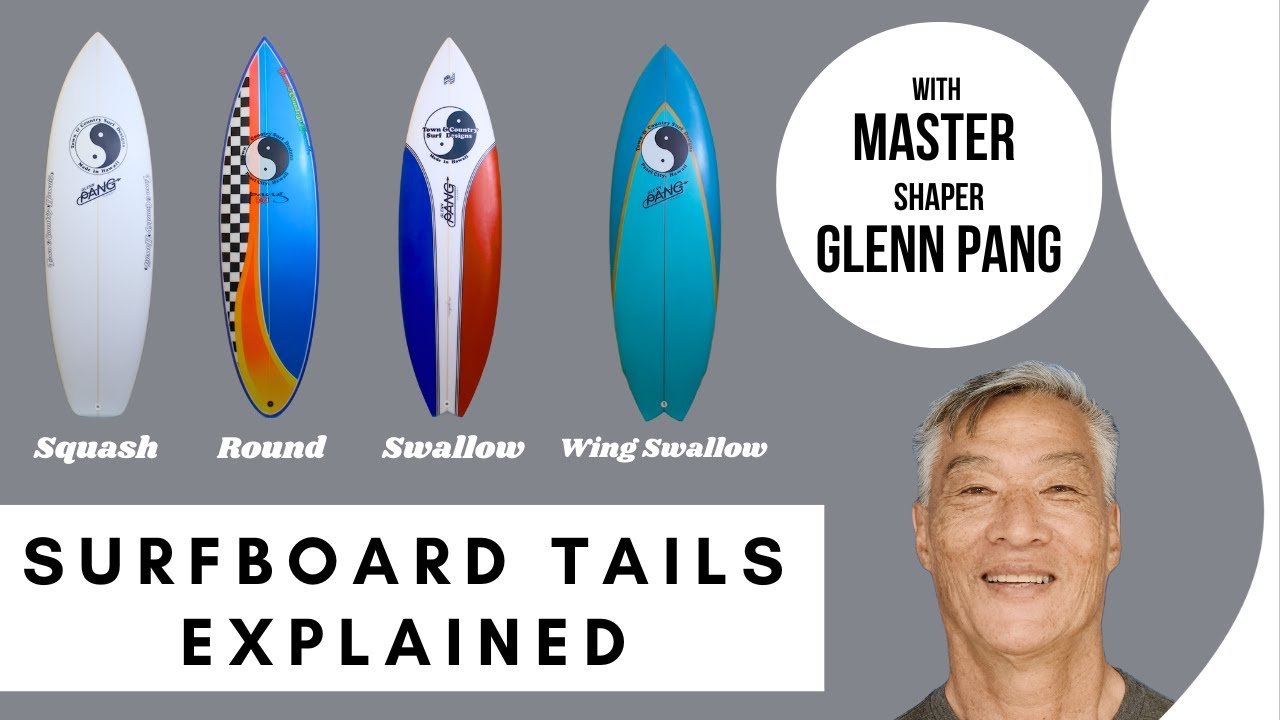
Learn the foundational differences between shortboard tail shapes—squash, round pin, and swallow—to understand how each affects speed, drive, and pivot in different wave types.

earn everything about surfboard fins: compare single, twin, thruster, and quad setups, and understand how rake, base, and material affect speed, drive, and pivot.