
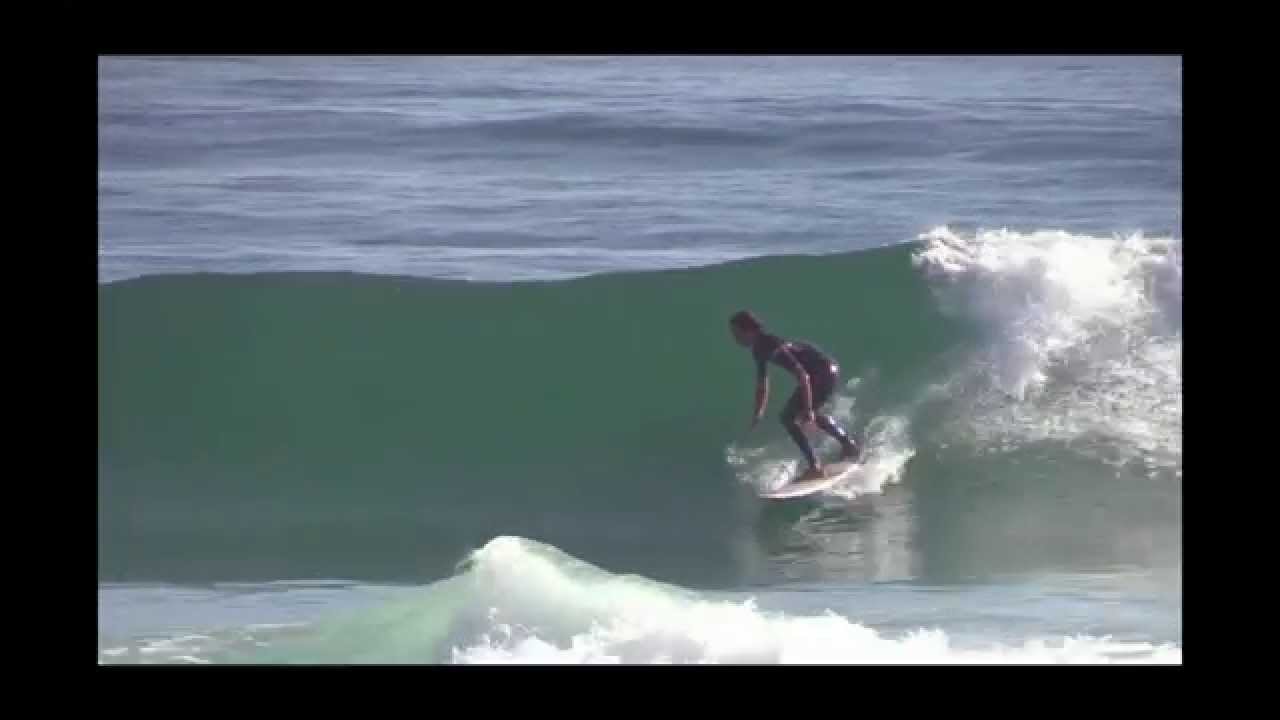
This guide from coach Martin Dunn emphasizes that if a surfer wants to execute good turns off the top, they must be set up by a strong turn off the bottom of the wave. The technique is applicable even in small surf, focusing on maximizing rail engagement and reducing drag to create powerful top turns.
Key Takeaways & Tips
Turn Importance
Good turns off the top are generally set up by a strong turn off the bottom of the wave. Surfers should be trying to create the best bottom turns possible, even in small surf if the technique is good.
Body Technique
The technique involves dropping to the bottom, bending the body at the **knees and waist**, and reaching out with the **inside hand**.
Rail Engagement and Drag
Reaching out with the inside hand maximally puts the board on the rail, which creates less drag as the surfer slices through the water. Less drag means the surfboard goes faster, and more powerful turns can be created off the top.
Forehand Turn Summary
As the surfer comes down, the technique is to drop to the bottom, and as you get towards the bottom, bend at the knees and waist and reach out the hand to perform the best forehand bottom turn.
Land Practice
This maneuver can be simulated on a skateboard. The more perfect the simulation (bending and reaching through the turn), the better the transfer of the technique to the ocean when practicing your forehand bottom turn.
Common Mistakes to Avoid
Poor Top Turn Results
A weak or poor bottom turn directly results in an inability to execute strong turns off the top of the wave.
Lack of Body Compression
Failing to bend the body at the knees and waist and failing to reach out with the hand prevents the board from being maximally placed on the rail, increasing drag and reducing speed.
Too Much Drag
If the board is not maximally on the rail, too much drag is created, causing the surfboard to slow down and limiting the power available for the next maneuver.