This tutorial breaks down the two different types of strokes used when paddling a surfboard: the sprint stroke (for catching waves or avoiding danger) and the casual stroke (for conserving energy). The lesson emphasizes stroke efficiency and preventing hand slip in the water.
Key Takeaways & Tips
The Two Strokes
The two strokes are the sprint paddling stroke (used for catching a wave or avoiding being caught inside) and the casual paddling stroke (used for paddling out or waiting in the lineup). The casual stroke is the one you will use the most in a given session.
Stroke Efficiency (No Slip)
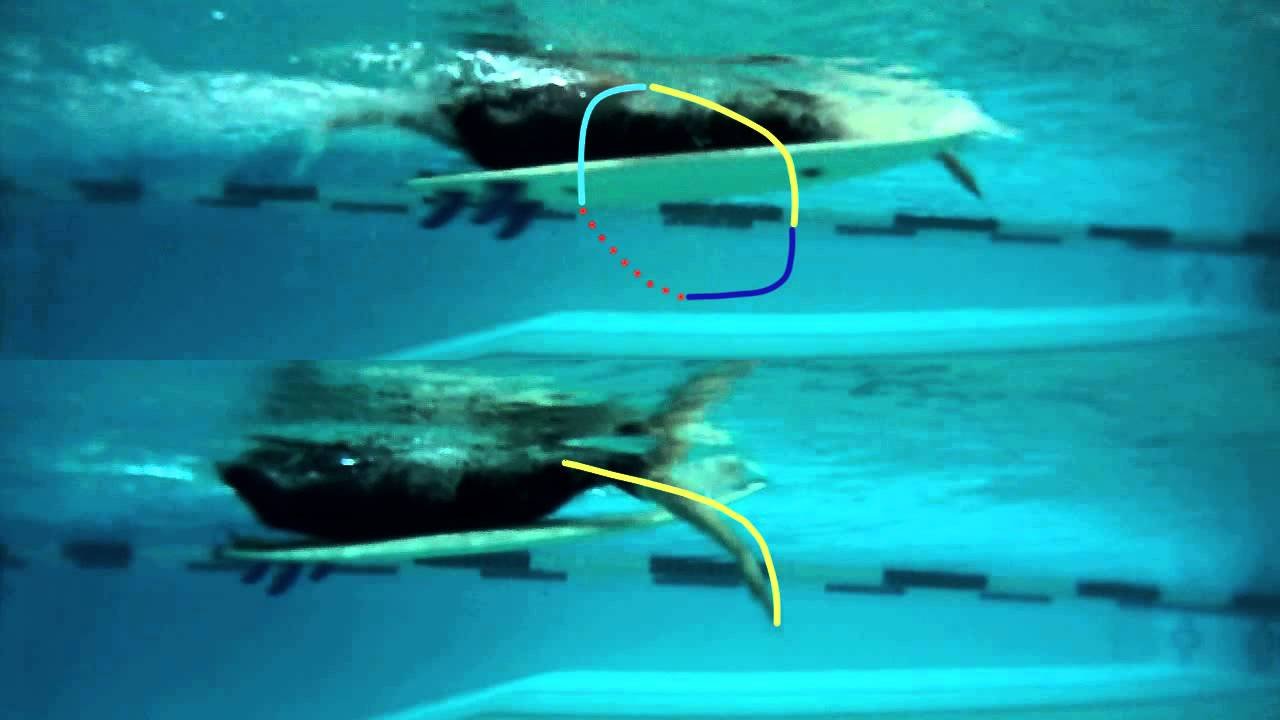
A highly efficient stroke means the hand enters and exits in the same place. The body and board should move past where the hand is placed. If the hand exits behind where it entered, the hand and arm “slipped” during the stroke, meaning it didn’t hold the water like it should have.
The Underwater Armstroke
The underwater armstroke consists of four phases that are present in both patterns; the only difference between the sprint and casual strokes is the time spent in each phase.
Sprint Stroke Goal
The sprint stroke is designed for power and speed. You need to know how to paddle correctly and paddle efficiently when the time is right.
Casual Stroke Goal
The casual stroke is designed for conserving energy while paddling out or paddling around the lineup.
Common Mistakes to Avoid
Slipping the Hand
A major mistake is allowing your hand and arm to “slip” in the water (where the hand exits behind the entry point). This happens when you fail to hold the water and propels you forward less efficiently.
Wrong Stroke Timing
Using the casual stroke when you should be sprint paddling (catching a wave) or using the sprint stroke when you should be conserving energy will compromise your session.
Failing to Adapt
Failing to recognize the difference between the two strokes means you are missing the opportunity to adapt your paddling to what the wave requires.