5 Tips To Surf Small Waves
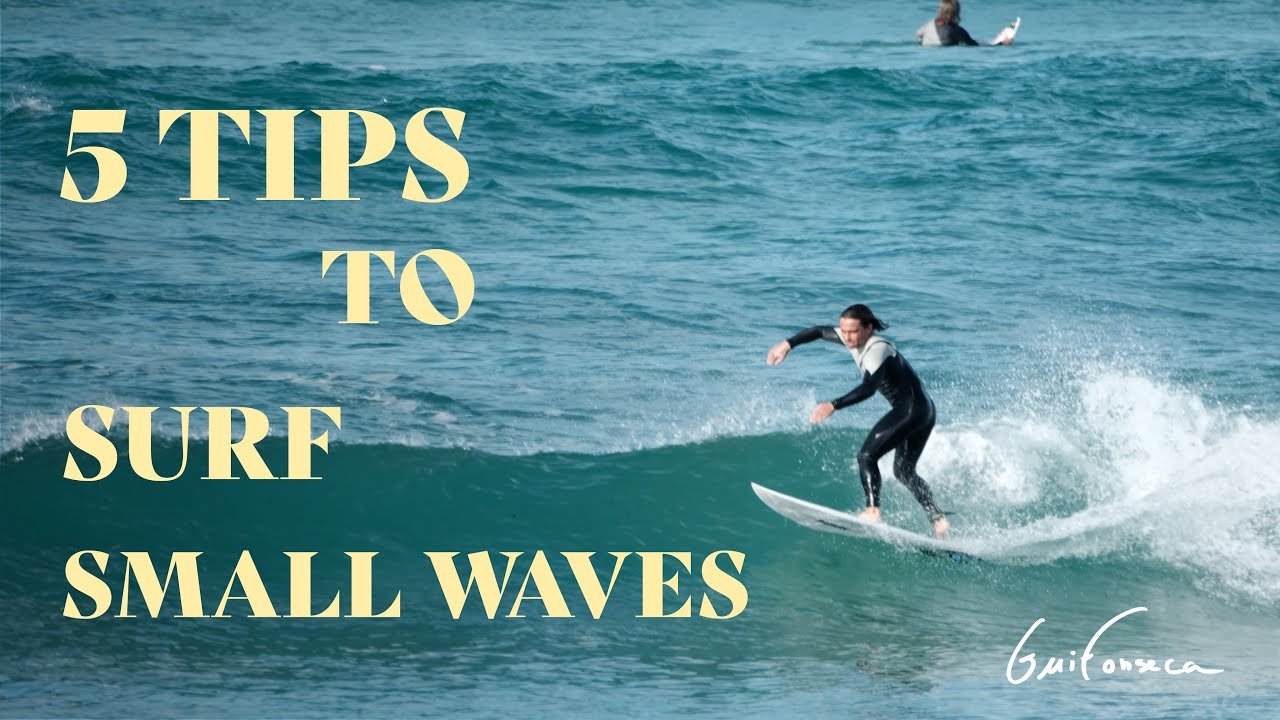
Professional surfer Gui Fonseca provides 5 essential tips for small, weak conditions, focusing on pumping in a higher line, minimizing bottom turns, and maximizing compression/extension for constant speed and flow.
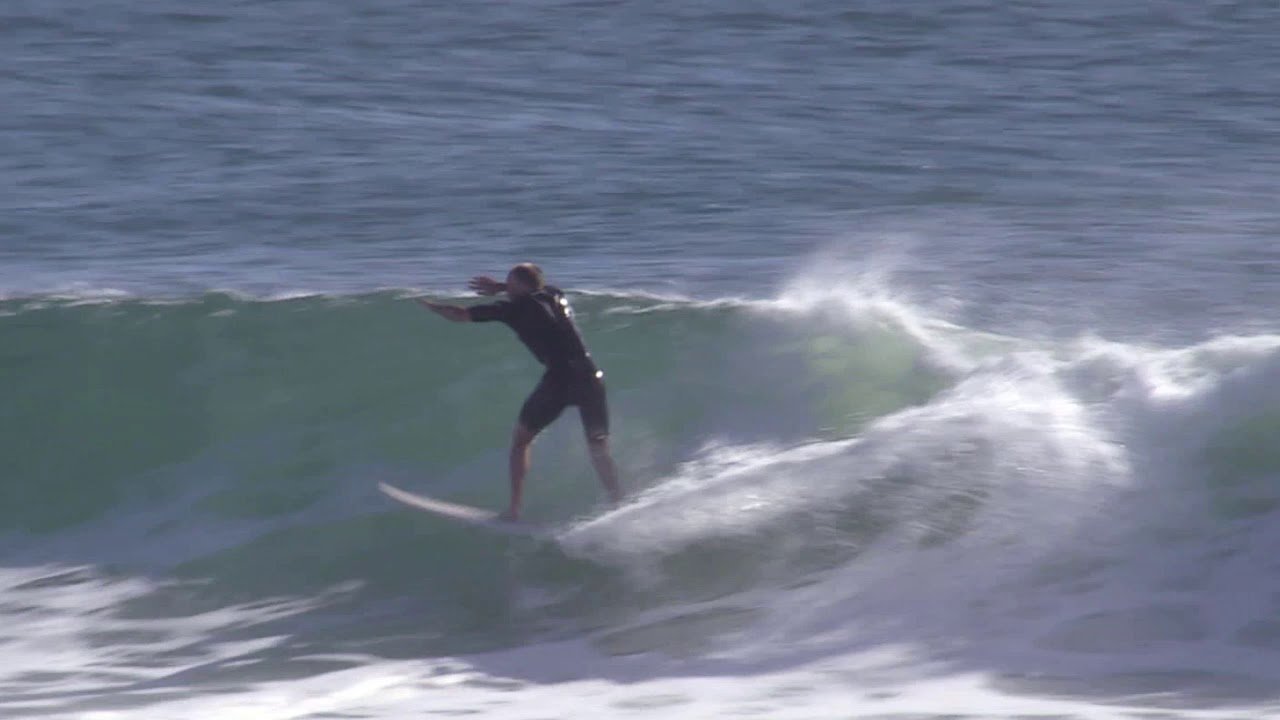
Focus on extending the body to drive through turns and gain speed.
Professional surfer Gui Fonseca provides 5 essential tips for small, weak conditions, focusing on pumping in a higher line, minimizing bottom turns, and maximizing compression/extension for constant speed and flow.
Ombe’s Battle of the Small Waves compares two styles, detailing why one surfer struggled (surfing mid-face and tense) and how the other succeeded (surfing rail-to-rail, top-to-bottom, and relaxing).
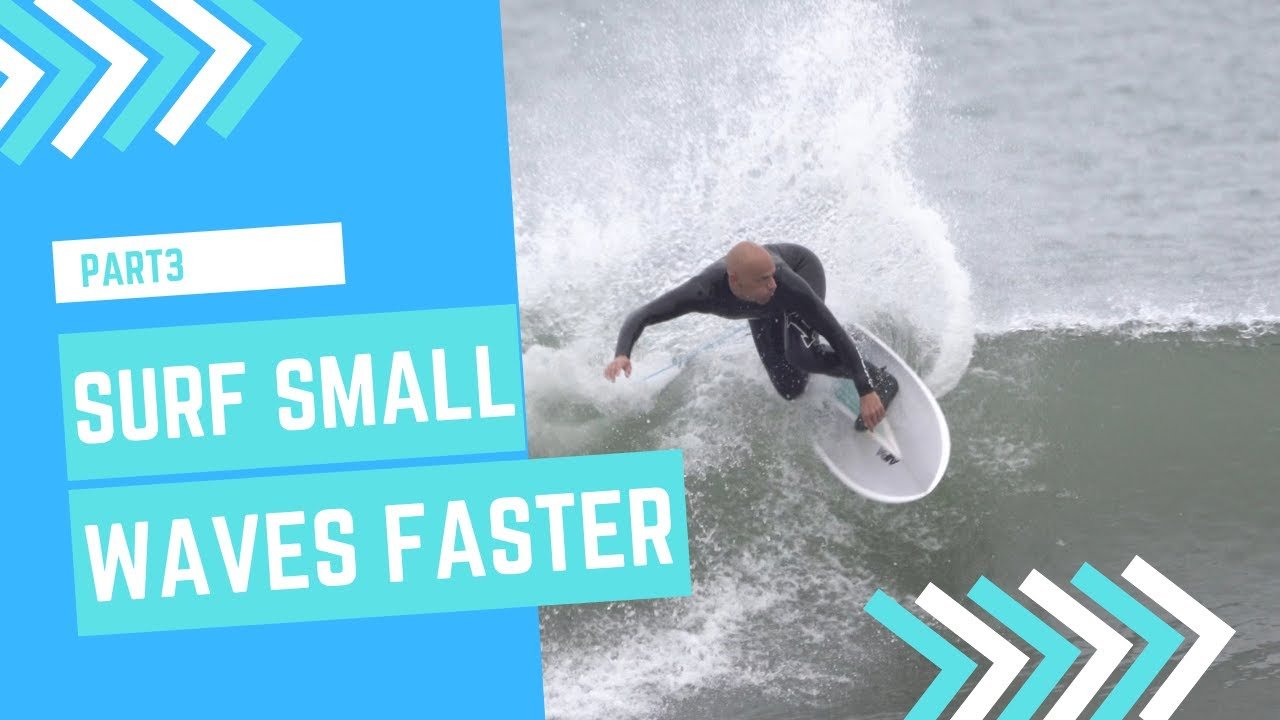
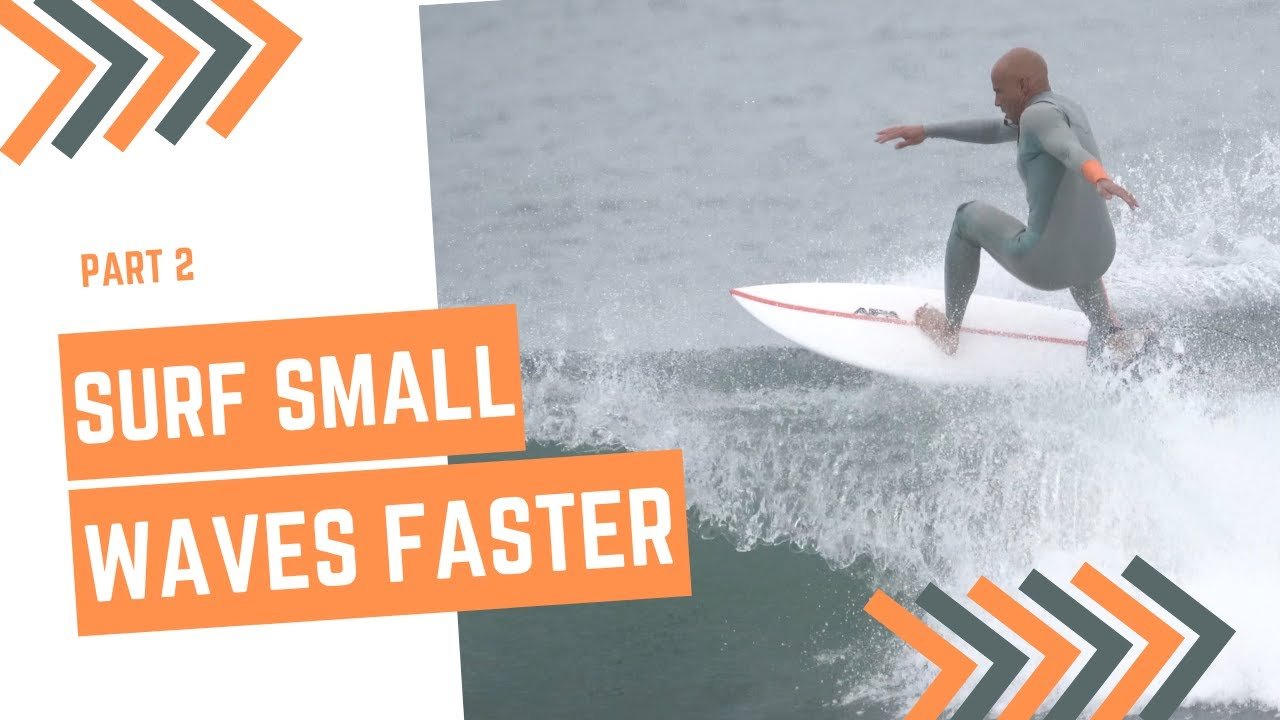
Episode 2 on frontside speed in small waves details the aggressive speed pump, the forward weight shift, and exaggerating compression and extension to maximize momentum down the line.
Coach Martin Dunn explains how to create maximum horizontal speed by lifting and unweighting the body using both arms to shoulder level, a technique essential for linking maneuvers.
Noel Salas details how to surf faster backside in small waves by using an angled takeoff, leaning heavily front-footed (60/40), and using the trailing arm to open the hips and project down the line.
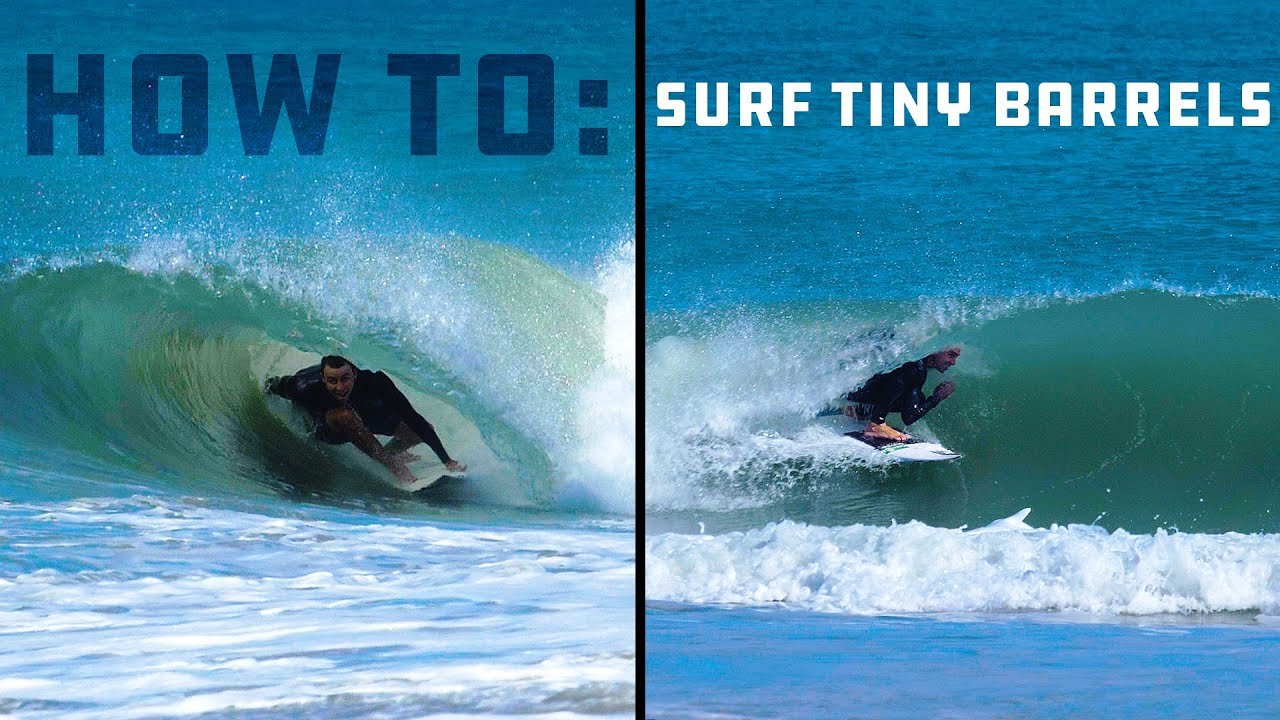
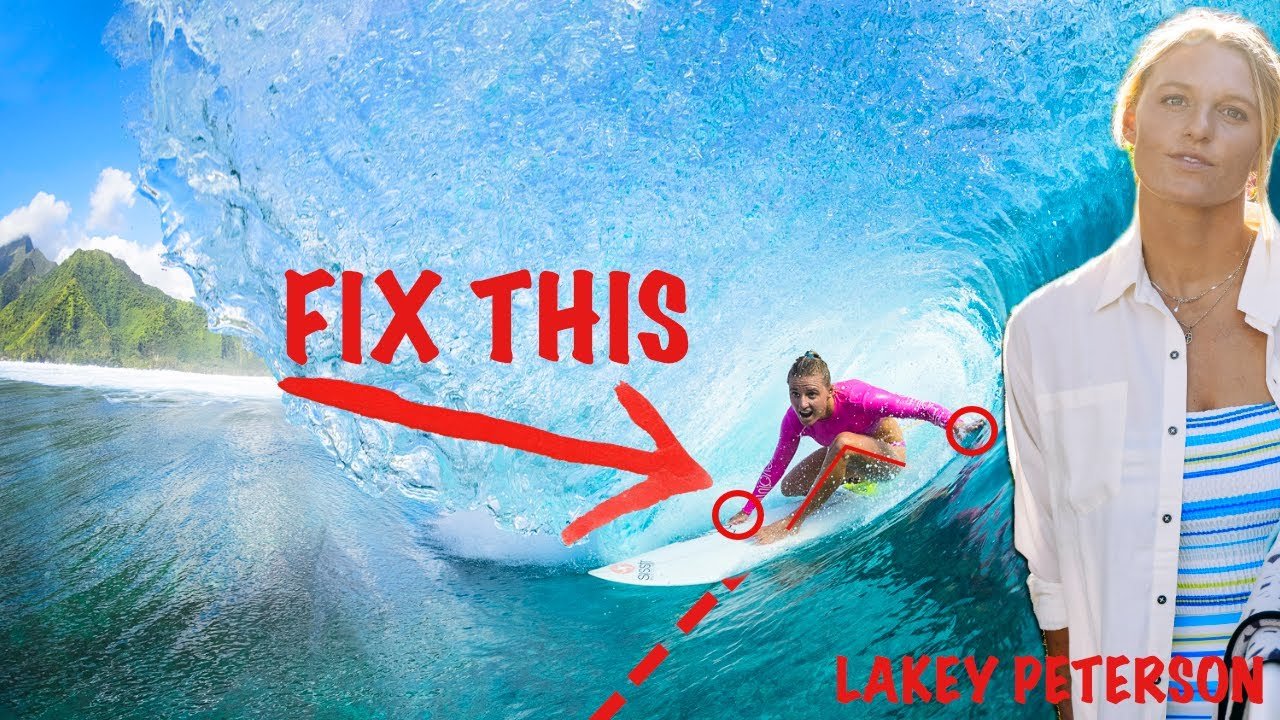
Brett Barley dives into riding the smallest barrels, detailing how to contort your body, tuck the shoulder inside the knee for frontside, and use the pig-dog position for backside tubes.
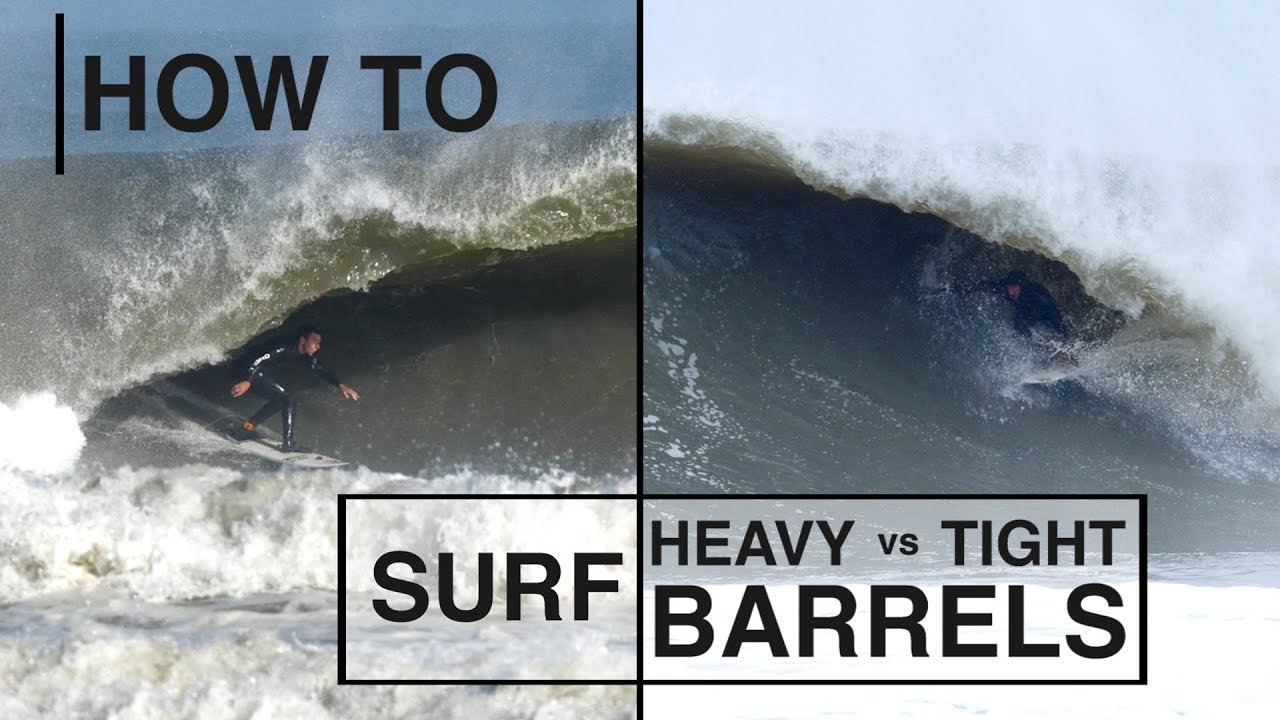
Brett Barley shows how to ride heavy vs. soft barrels, detailing shoulder angles for hugging the wall (soft barrels), and the back foot weight distribution needed to survive square, thick-lipped heavy barrels.
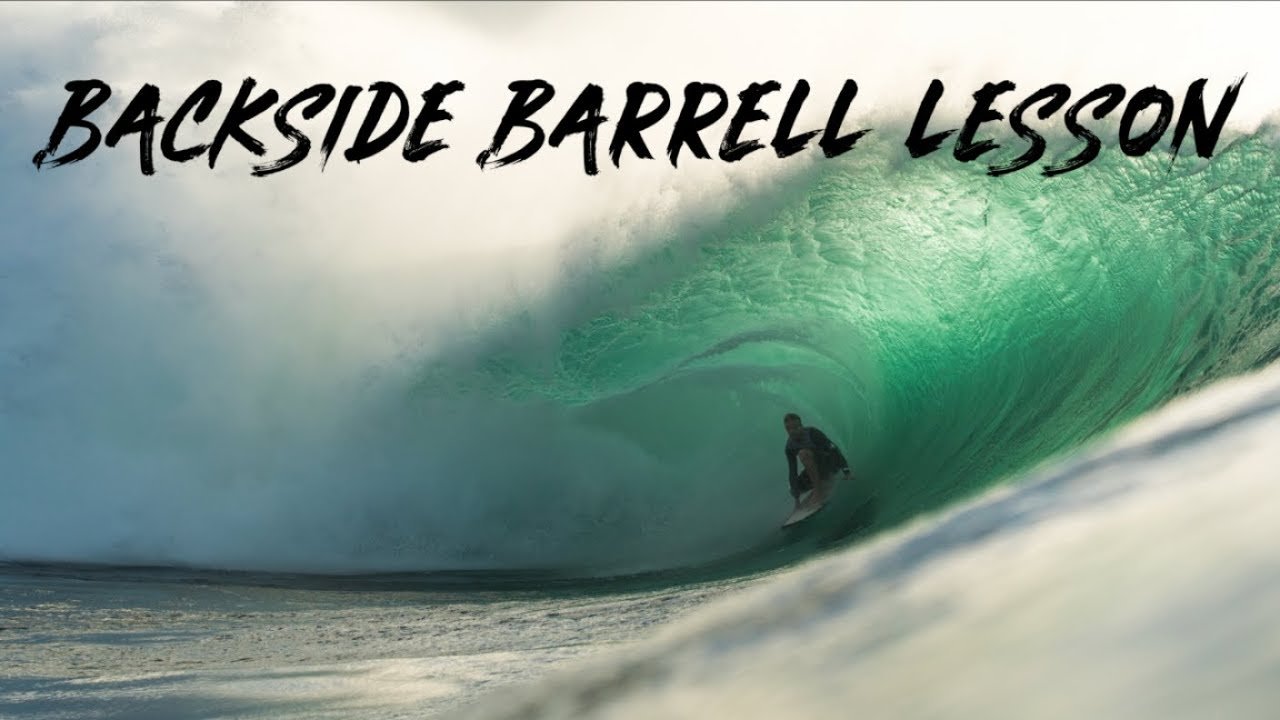
Jamie O’Brien teaches his backside barrel riding technique, emphasizing a low, quick pop-up, grabbing the rail on the drop, using the wave face for balance, and utilizing a low center of gravity for maximum stability.
Episode 1 on backside tube riding focuses on the paddle entry, setting the rail with the outside hand, and keeping the inside foot on the rail to maximize stability and speed through the barrel.
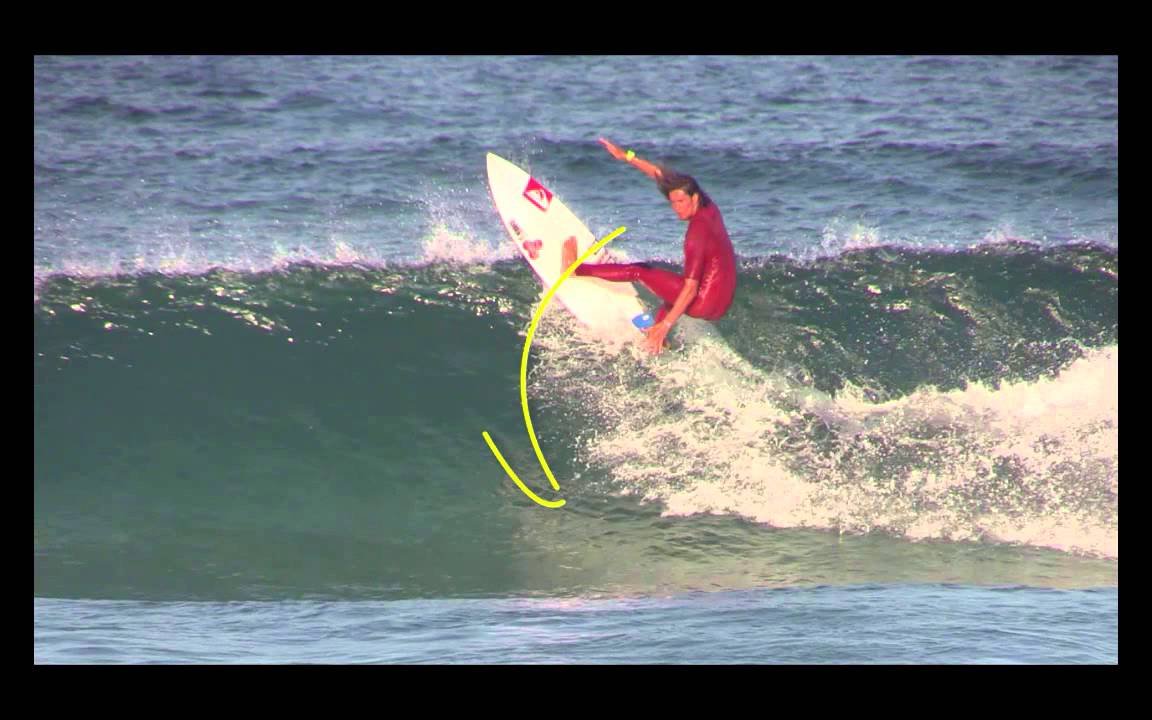
Coach Martin Dunn breaks down the forehand re-entry, emphasizing the need for a quality bottom turn, rotating away from the lip before impact, and compressing low to maintain speed.