How to Surf: The Triangle of Speed
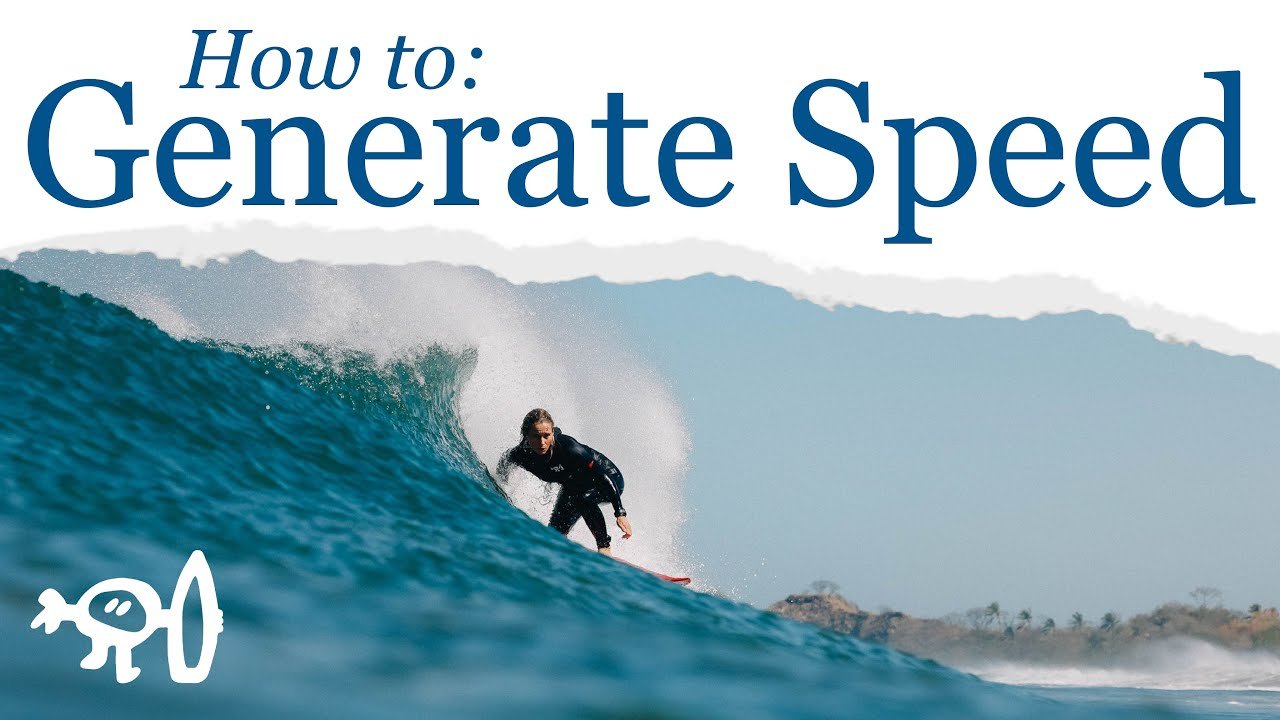
Surf Simply breaks down the three core energy sources for acceleration—Gravity, Whitewater, and Rail Engagement—explaining how to combine them to master the Triangle of Speed.

Focuses on using the edge of the board for drive and carving. Essential for maximizing speed and power in bottom turns and cutbacks.
Surf Simply breaks down the three core energy sources for acceleration—Gravity, Whitewater, and Rail Engagement—explaining how to combine them to master the Triangle of Speed.
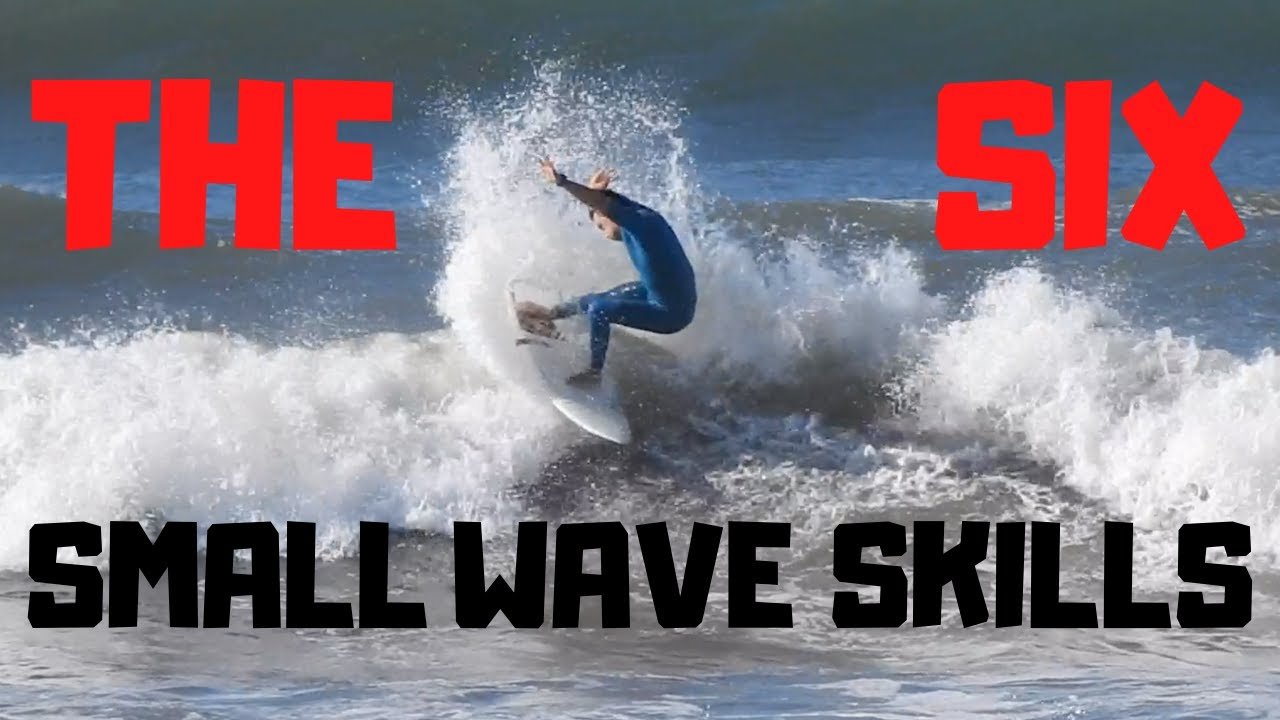
This tutorial focuses on six essential skills for tackling small, average summer waves. By successfully surfing these challenging conditions, your performance will skyrocket when presented with better waves. The lesson emphasizes using the right equipment and staying close to the power source. Key Takeaways & Tips Equipment For small waves, avoid high-performance boards. Look for … Read more
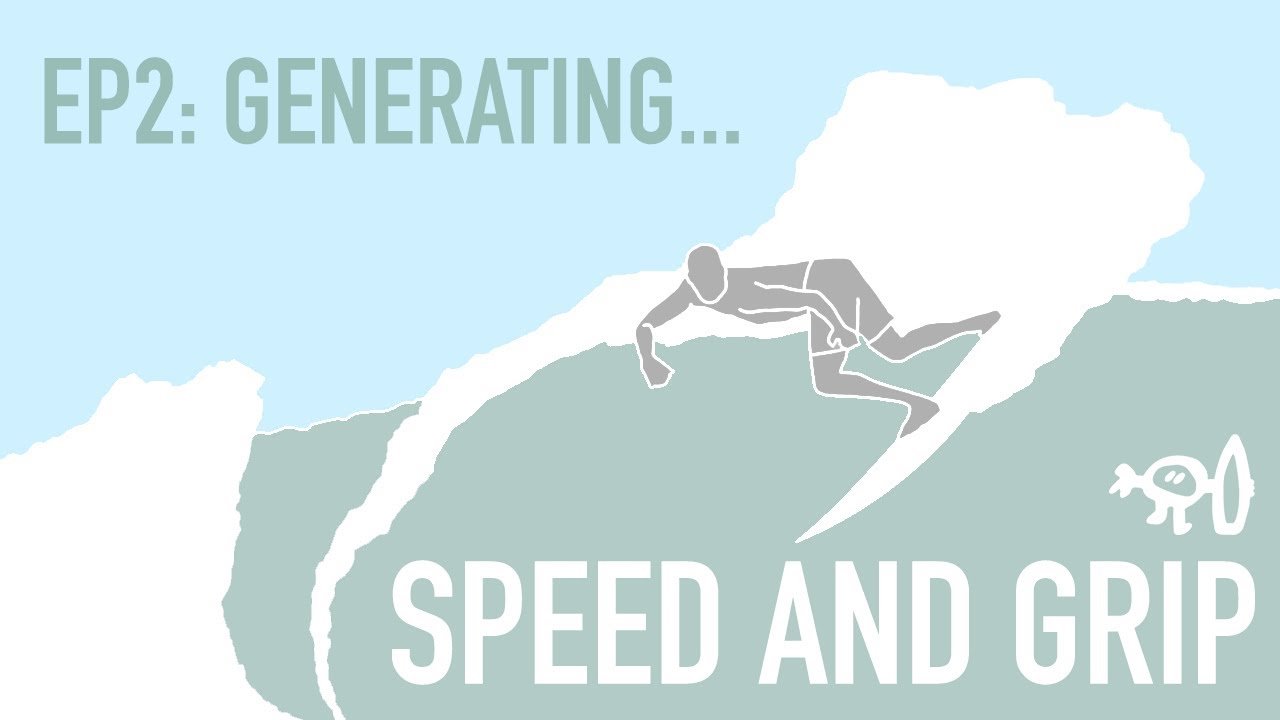
Surf Simply breaks down the physics of surfing speed and grip, explaining how the surfboard rail acts as a hydrodynamic foil to create lift and forwards thrust (Newton’s third law).
Coach Martin Dunn breaks down the backhand re-entry, emphasizing rotation before impact, the torque force needed to start the turn, and the final push and compression on the way down.
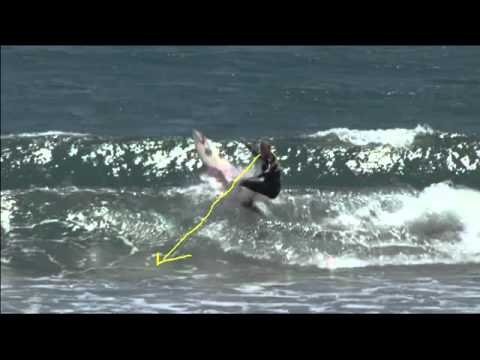
This tutorial breaks down the forehand re-entry into 3 fundamental solutions: getting the front foot above the lip, twisting before impact, and compressing low to complete the turn.
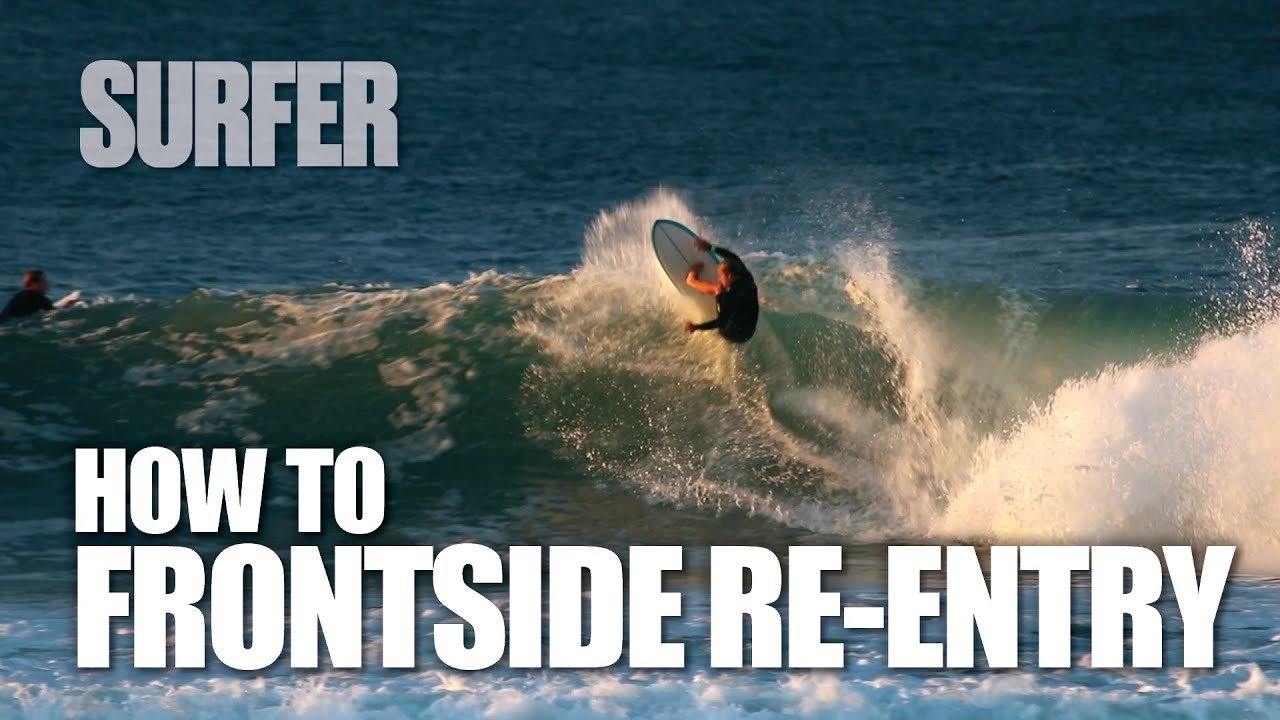
Josh Kerr breaks down the frontside re-entry, focusing on using the bottom turn to set the line, throwing the arms across the body to pivot, and extending to maximize spray and control the landing.
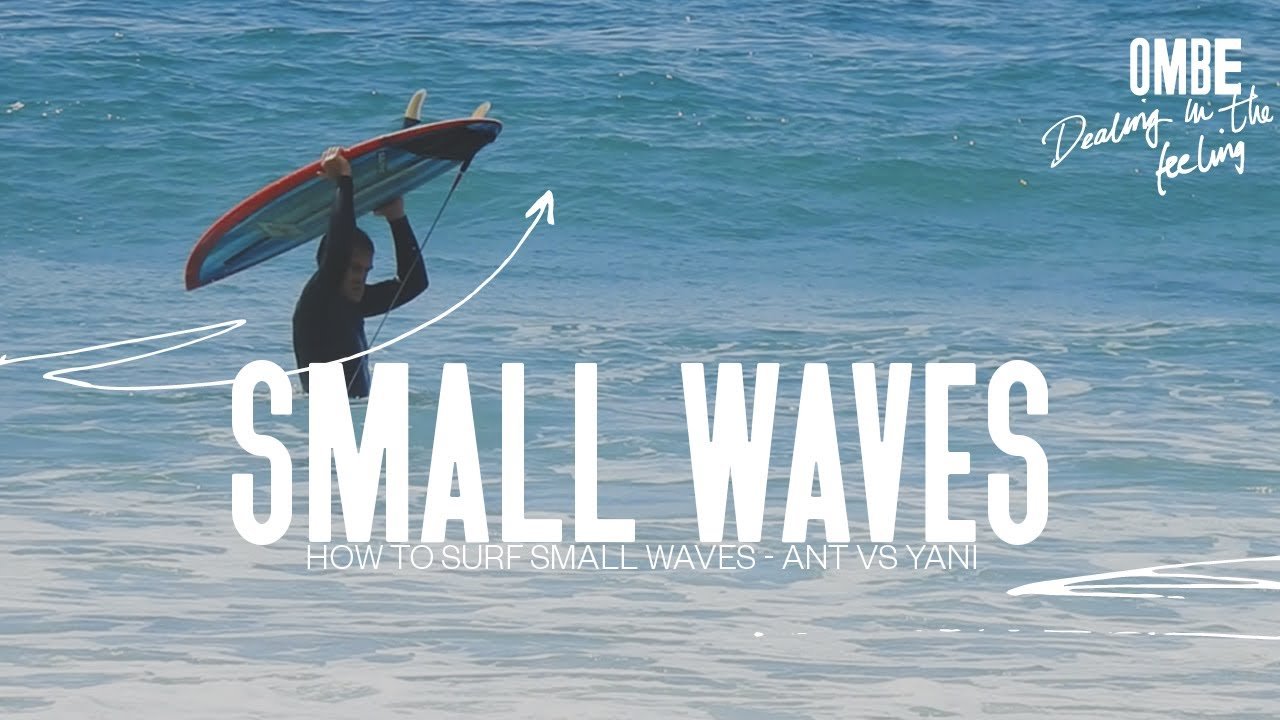
Ombe’s Battle of the Small Waves compares two styles, detailing why one surfer struggled (surfing mid-face and tense) and how the other succeeded (surfing rail-to-rail, top-to-bottom, and relaxing).
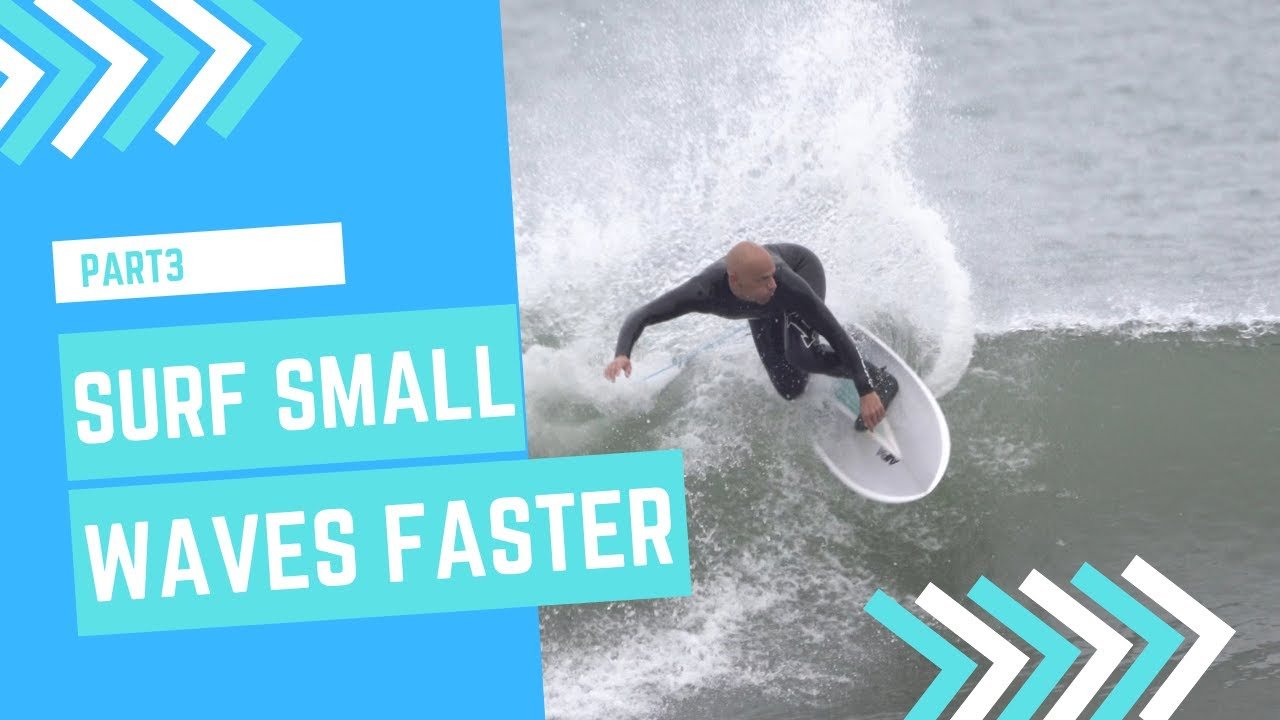
Noel Salas details how to surf faster backside in small waves by using an angled takeoff, leaning heavily front-footed (60/40), and using the trailing arm to open the hips and project down the line.
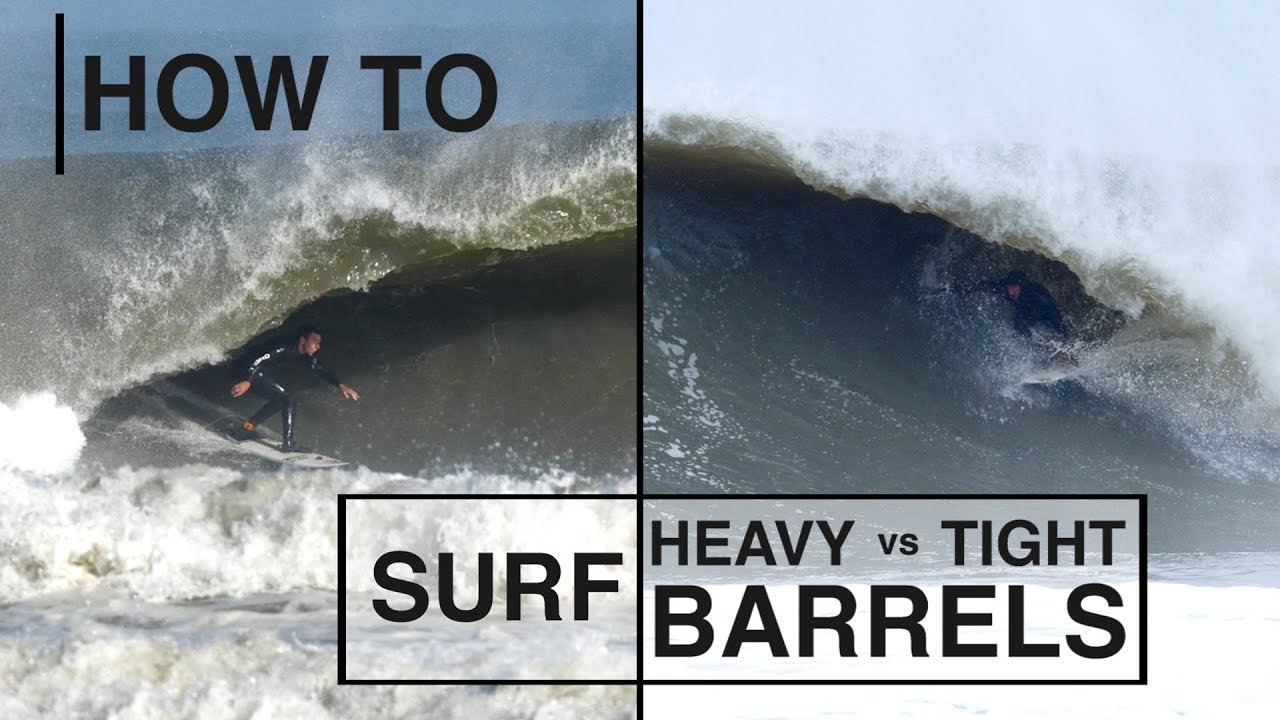
Brett Barley shows how to ride heavy vs. soft barrels, detailing shoulder angles for hugging the wall (soft barrels), and the back foot weight distribution needed to survive square, thick-lipped heavy barrels.
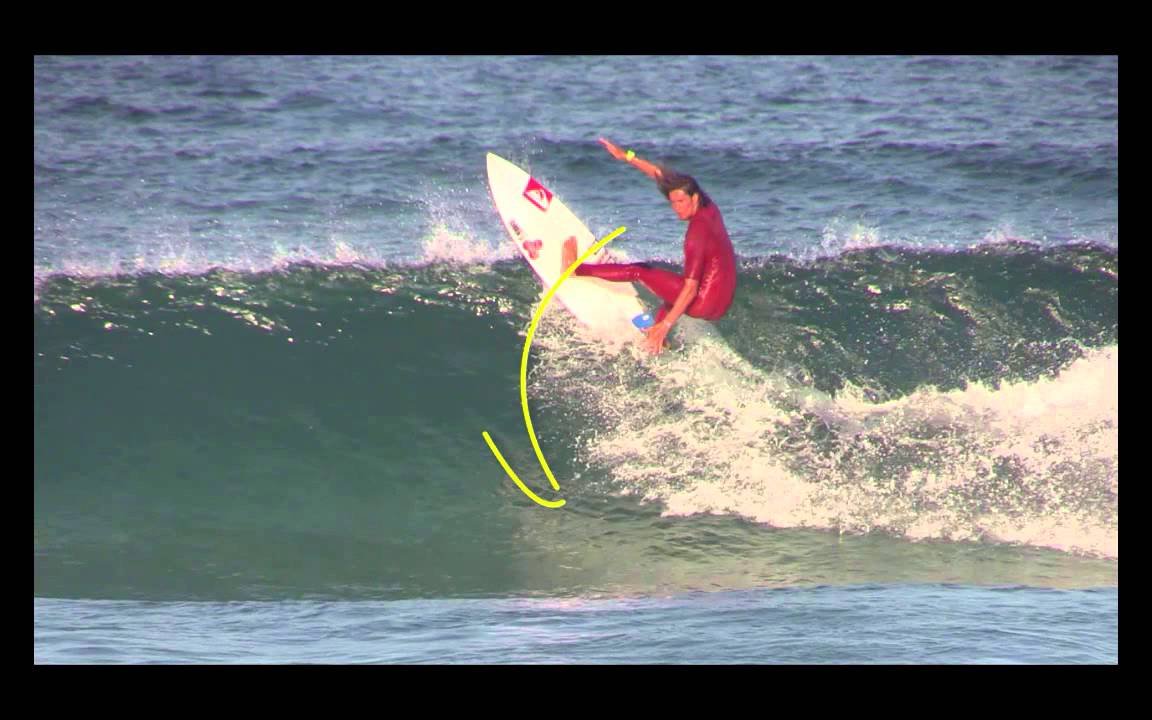
Coach Martin Dunn breaks down the forehand re-entry, emphasizing the need for a quality bottom turn, rotating away from the lip before impact, and compressing low to maintain speed.