
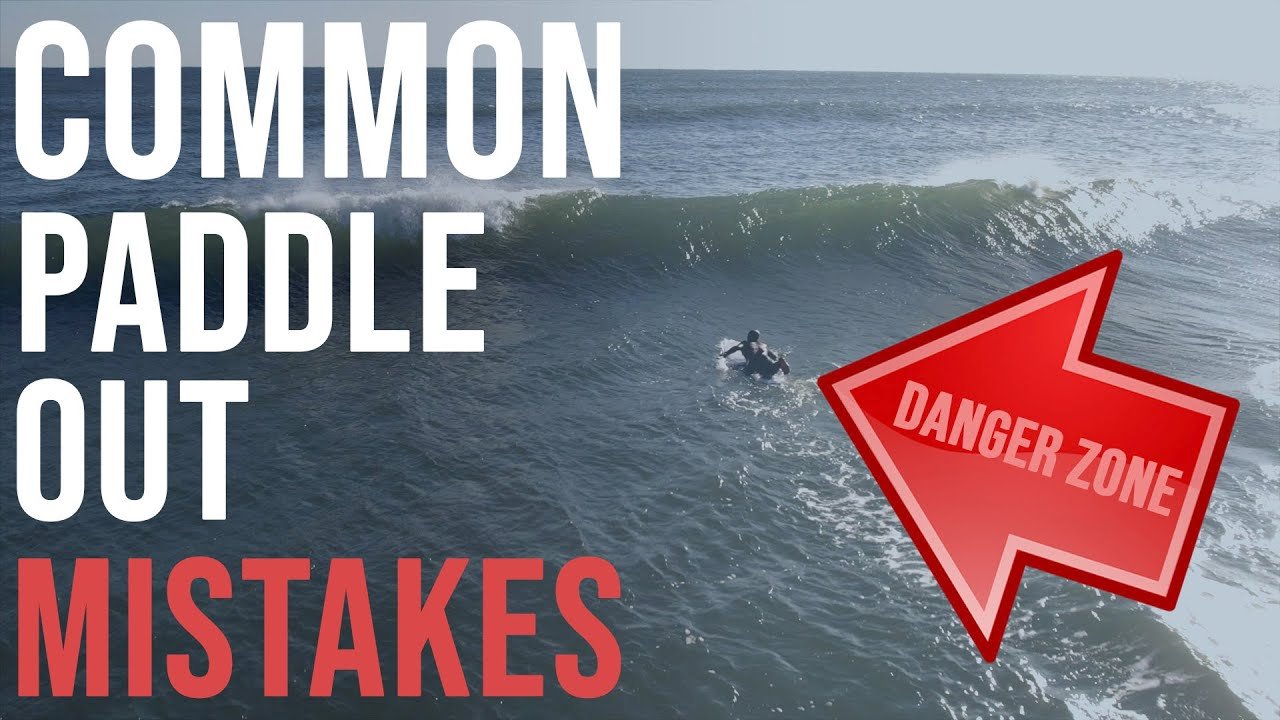
Paddling out on a longboard is drastically different from a shortboard; the larger size means any wave impact causes greater resistance and leads to a bigger loss of forward progress. This tutorial breaks down the three most common reasons longboarders struggle to get out the back efficiently.
Key Takeaways & Tips
Push-Up Technique
This technique requires maximum speed toward the wave with the board angled straight. Just before impact, push up with your arms and throw your legs into the air to let the wave pass underneath your entire body, saving forward progress.
Nose Raise Technique
Used when whitewater is too big for the Push-Up. Sit toward the back of the board to raise the nose. As the wave hits the bottom of the board, grab the rail high up and pull your weight as close to the nose as possible. Timing is crucial to avoid flipping backward.
Turtle Roll
This is a necessary last resort when waves are breaking right on top of you. Flip over, grab the rail, and hold on. Keep a constant downward force on the board to prevent water from ripping it out of your hands. Note: this method will cause you to lose paddling progress.
Improving Paddling Technique
For efficient paddling, keep your chest high up off the board, be as far forward on the board as possible without nose diving, and take long, deep strokes.
Paddle Out Location (The “Where”)
Inspect the ocean for the easiest place to paddle out. This could be near a jetty where a natural rip tide sucks you out or simply a spot that allows you to walk out as far as possible before paddling.
Timing Your Paddle Out (The “When”)
Watch the sets to find the time window between them. Paddle out hard to the **halfway point**—a spot where you can maintain position and conserve energy. Wait here for the big waves to pass, then paddle out to the lineup. Poor timing is the biggest mistake, as it wastes energy.
Common Mistakes to Avoid
Not Knowing Techniques
Failing to know the different techniques (Push-Up, Nose Raise, Turtle Roll) will lead to waves continually pushing you back and a significant loss of forward progress.
Poor Decision Making
Ignoring the “where” and “when” of your paddle out. Paddling full speed at the wrong time will result in you being wiped out by a set and starting over, but with less energy.