Pop Up Series 4 The Correct Line
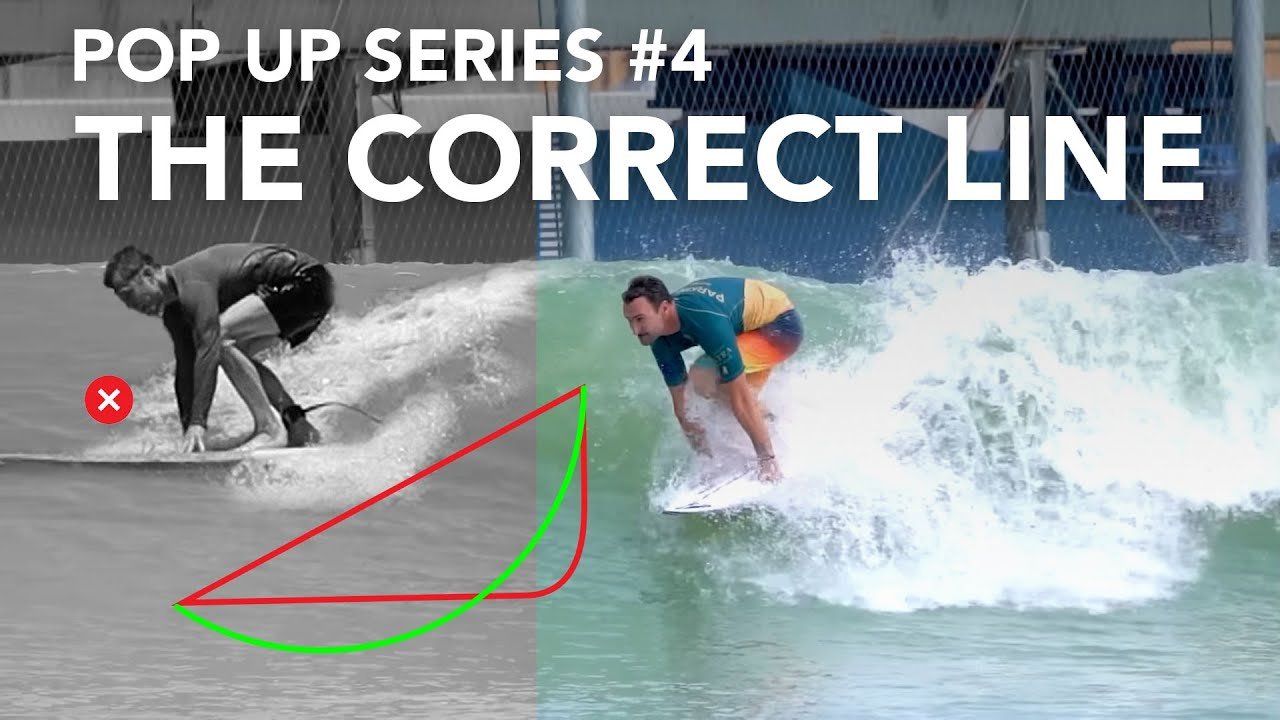
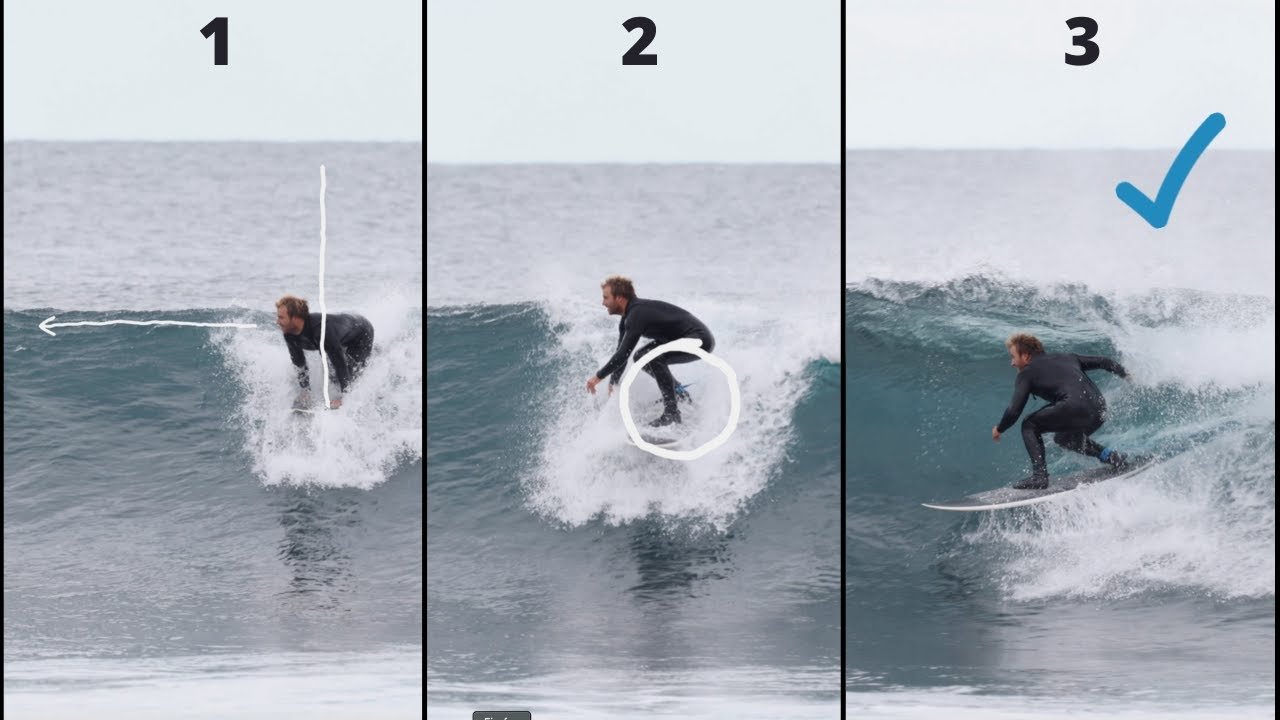
Ombe Surf breaks down the correct line for a pop-up, arguing that a straight line creates drag, while the curved, cycloid line is the most energy-efficient way to match the wave’s spiral energy and gain speed.
The home for high-performance surfing. This category contains all techniques and maneuvers focused on speed, vertical attack, and aerial progression. Includes skills relevant to thrusters, quads, twin fins, and mid-lengths.
Ombe Surf breaks down the correct line for a pop-up, arguing that a straight line creates drag, while the curved, cycloid line is the most energy-efficient way to match the wave’s spiral energy and gain speed.
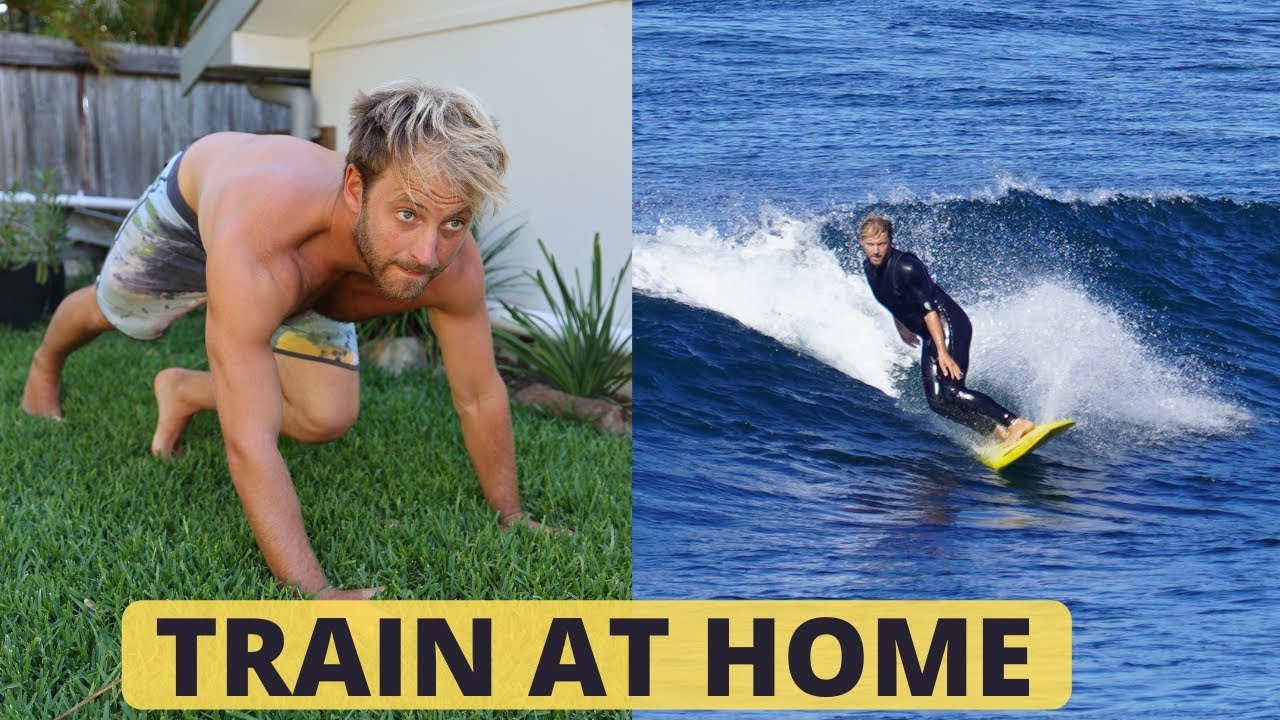
Kale Brock provides five effective pop-up exercises you can do at home, focusing on correcting hip mobility, instilling a low stance, and creating space to swing the leading leg through the pop-up.
Kale Brock breaks down the most common pop-up mistakes, focusing on why landing the front leg first corrects hip alignment, prevents tilting, and ensures you land in a strong, coiled-spring position.
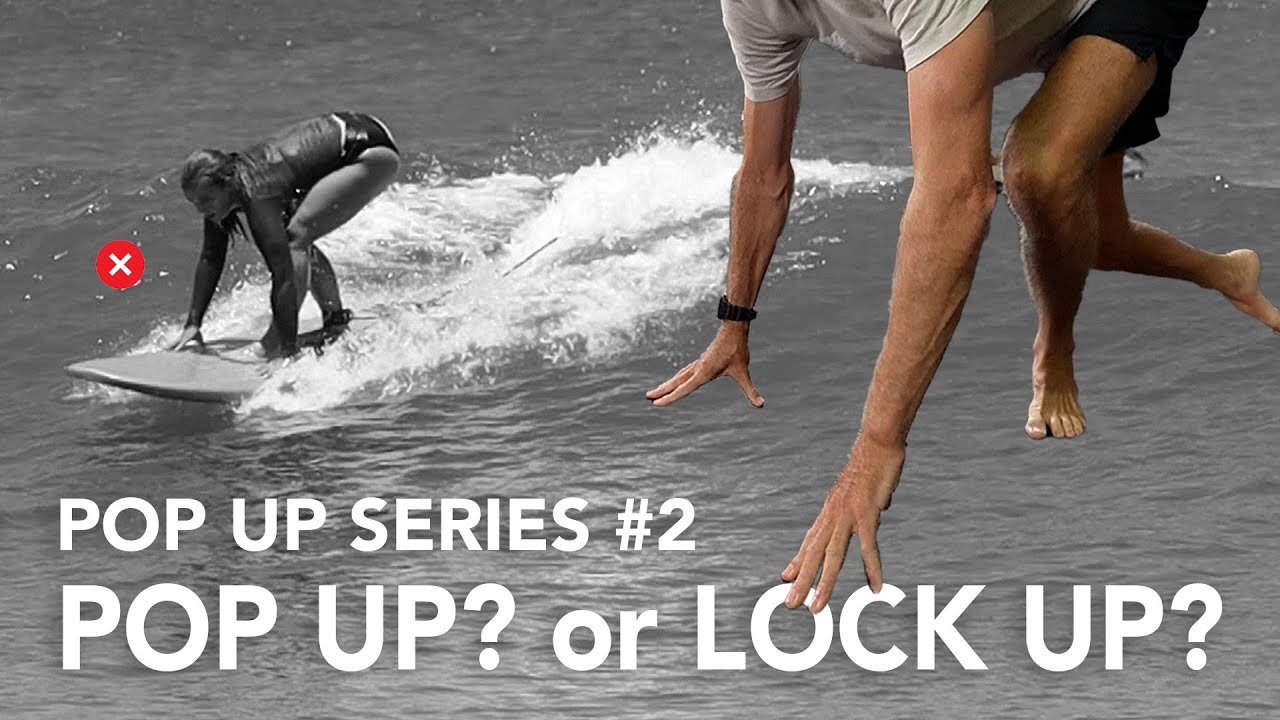
Ombe Surf argues the traditional pop-up is a “lock-up” that hinders progression. This tutorial uses Kelly Slater’s walk-up to show how to stand up with 3 points of contact, keep the head centered, and maintain balance for instant control.
Pro Surfer Brett Barley teaches how to take off late for barrels, focusing on positioning behind the peak, the difference in technique for heavy vs. weaker waves, and using the air-drop to survive steep drops.
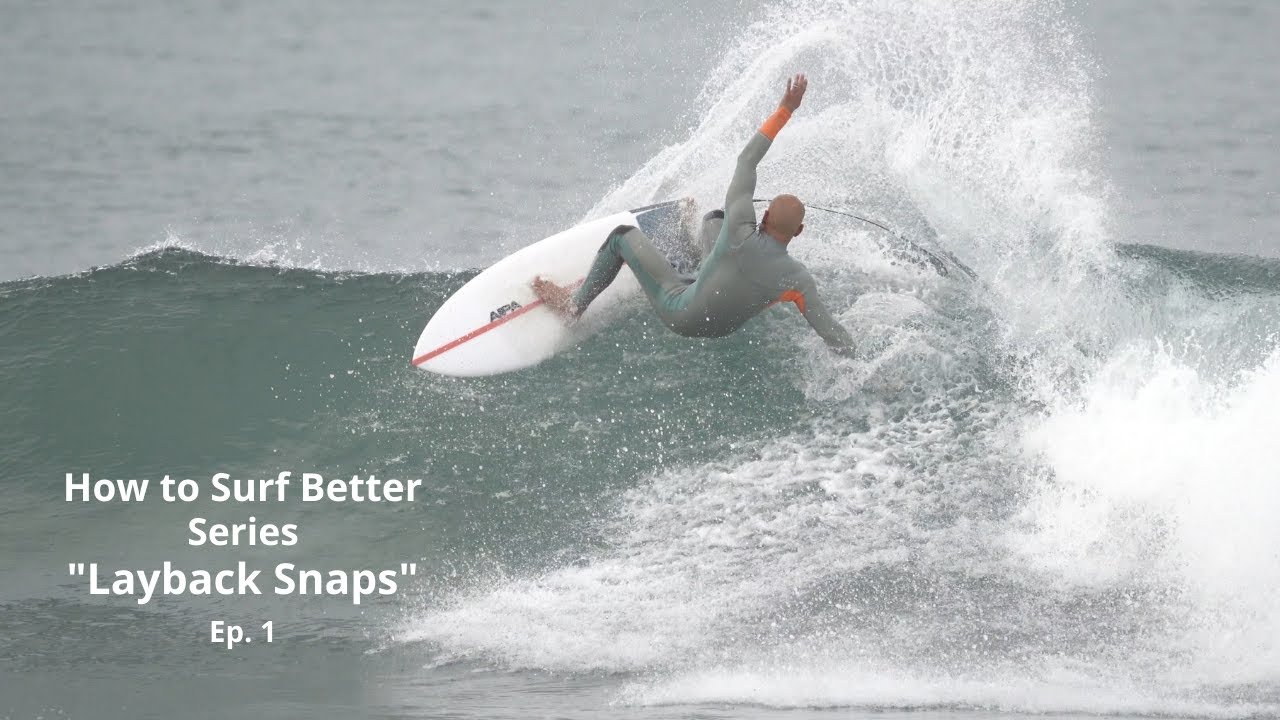
Episode 1 on layback snaps focuses on initiating the snap with 60% back foot weight, using the trailing arm to create maximum coil, and utilizing the heels to pull the board back under the body for a powerful finish.
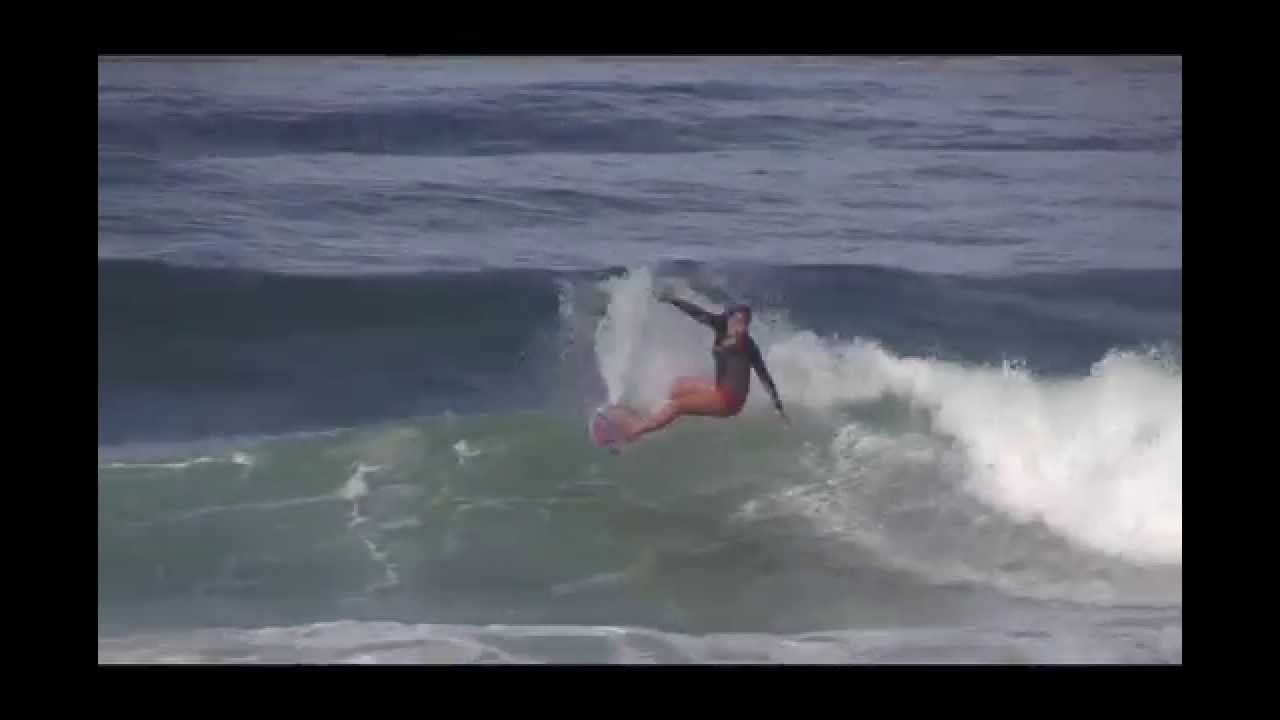
Pancho Sullivan breaks down the Layback Snap, a powerful maneuver that involves rotating the upper body in the opposite direction of the board to push the rail out and finish the turn under the feet.
Coach Martin Dunn details the forehand snap as a rail turn performed in pocket sections, emphasizing full rotation of the arms, upper body, and hips to maintain speed and create drive force through the turn.
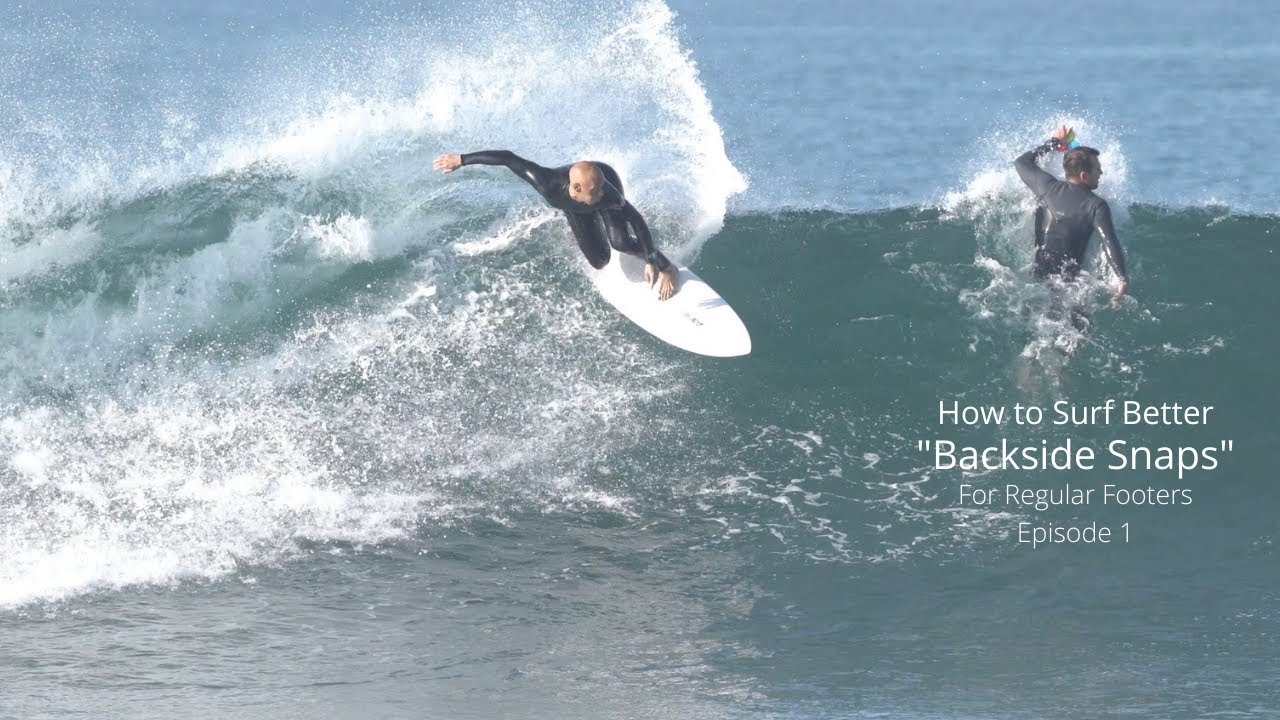
Episode 1 on backside snaps for regular footers focuses on the speed snap, detailing the shallow bottom turn, coiling the body, and utilizing the wave’s energy to maximize projection and speed down the line.
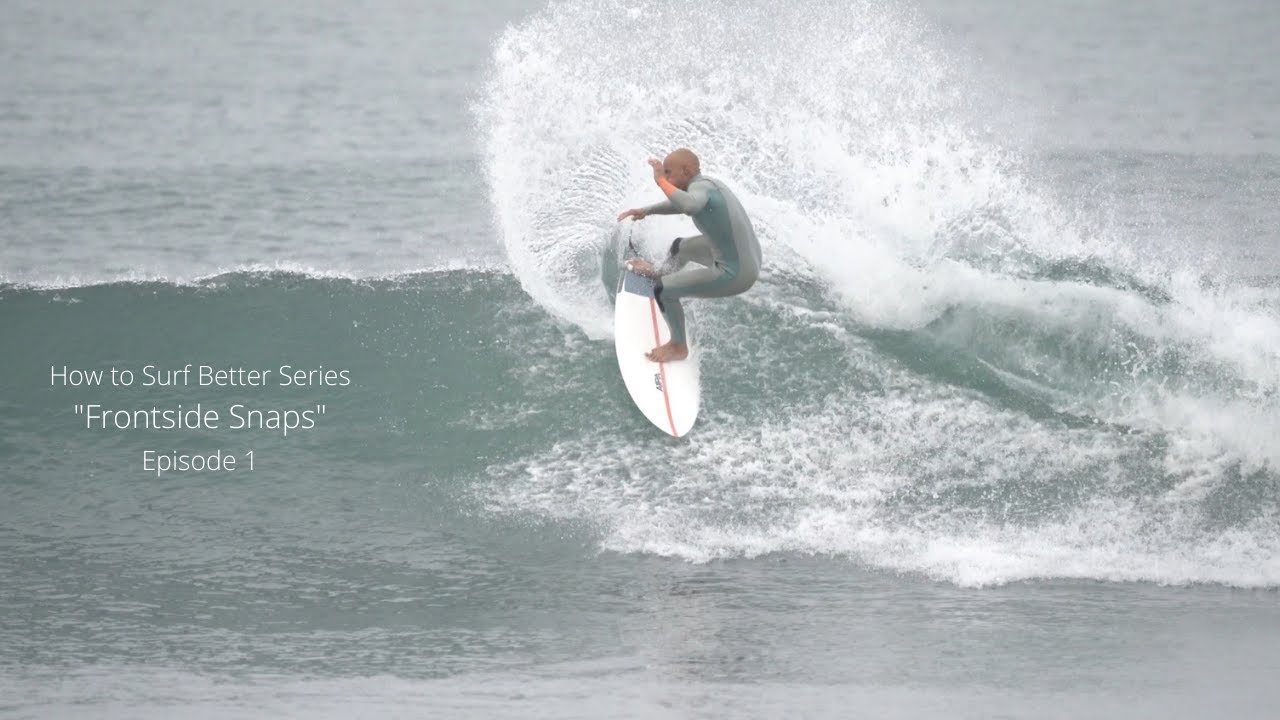
Episode 1 on frontside snaps focuses on the speed snap technique: utilizing a shallow, diagonal bottom turn to coil the back arm, uncoil at the lip, and project forward for maximum down-the-line speed.