How to do a Layback Snap with Pancho Sullivan
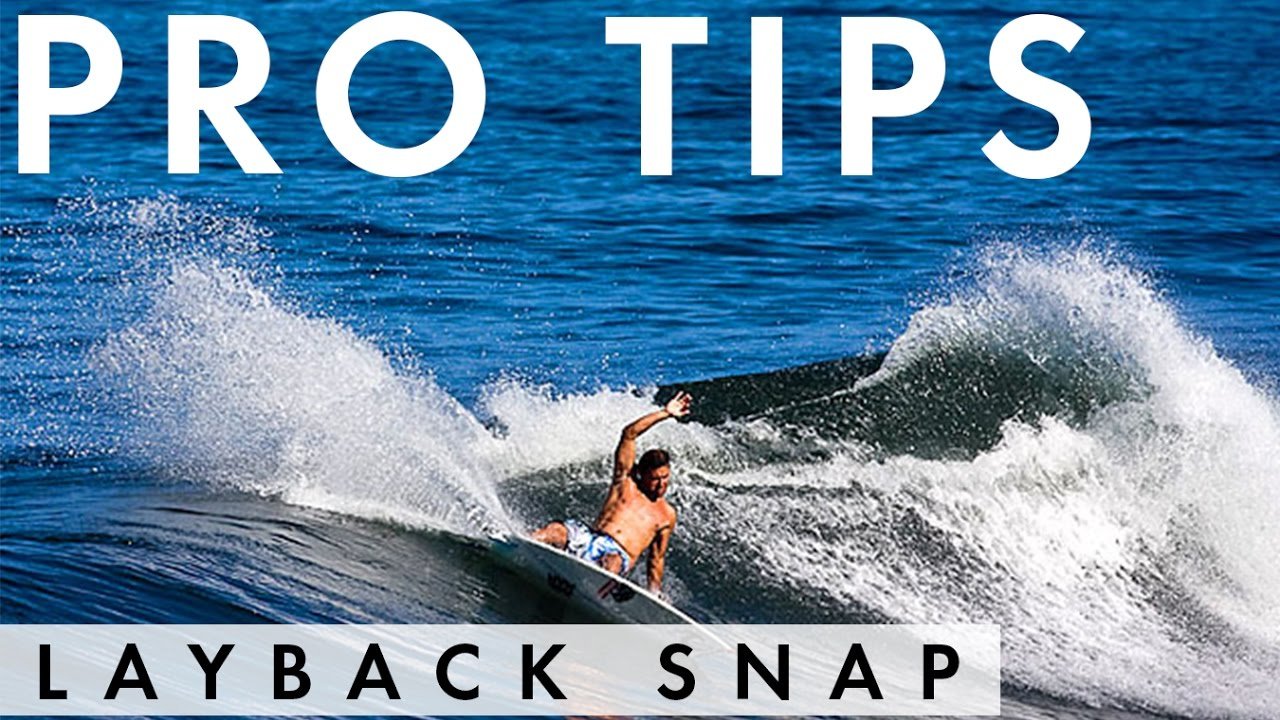
Pancho Sullivan breaks down the Layback Snap, a powerful maneuver that involves rotating the upper body in the opposite direction of the board to push the rail out and finish the turn under the feet.
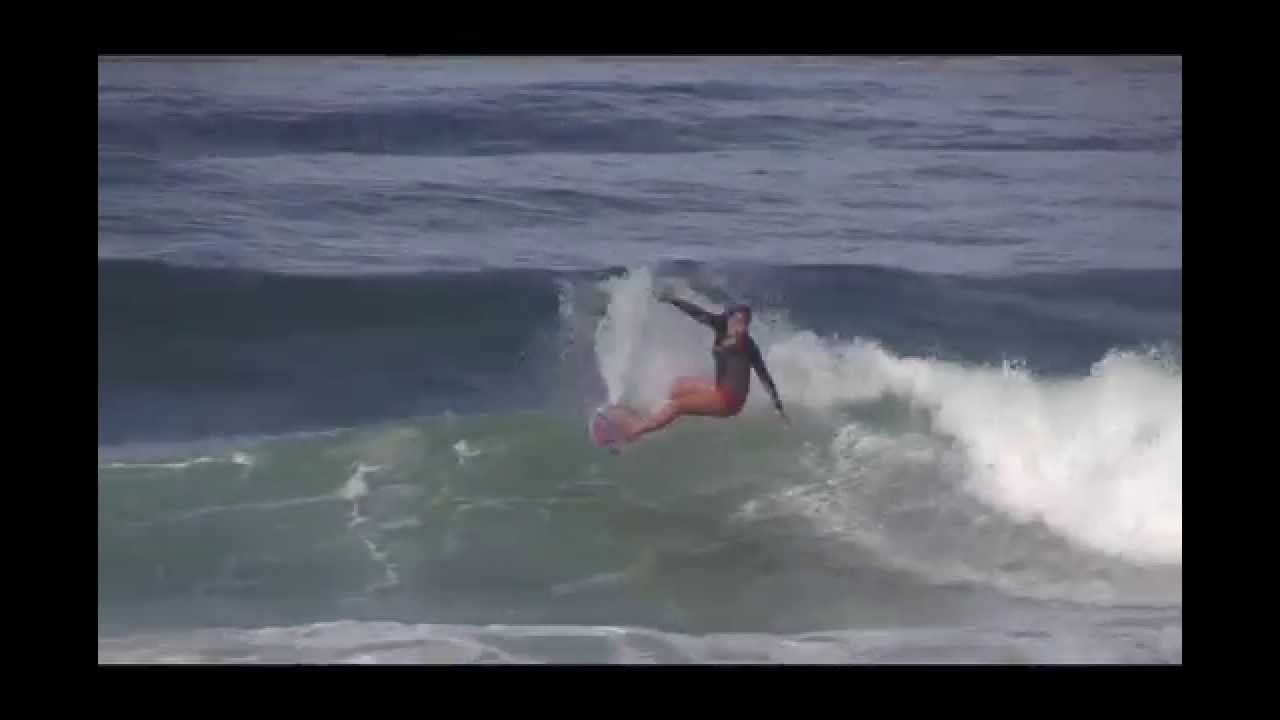
Coach Martin Dunn details the forehand snap as a rail turn performed in pocket sections, emphasizing full rotation of the arms, upper body, and hips to maintain speed and create drive force through the turn.
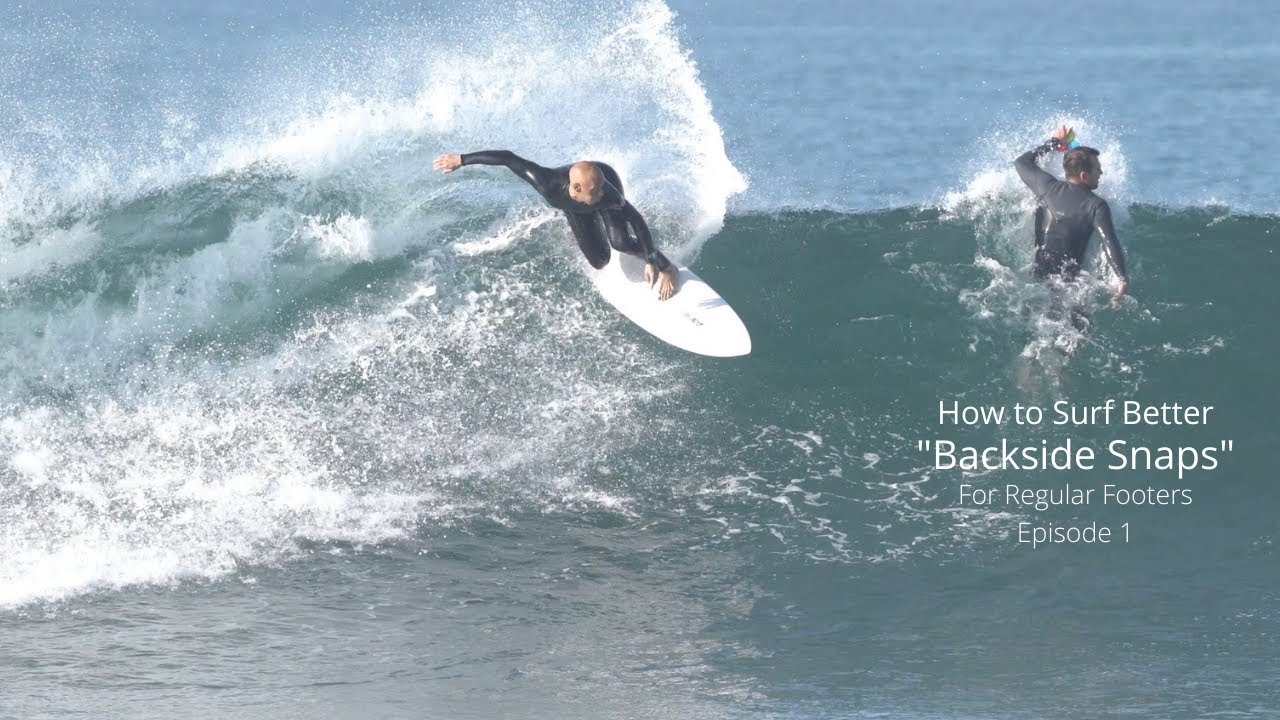
Episode 1 on backside snaps for regular footers focuses on the speed snap, detailing the shallow bottom turn, coiling the body, and utilizing the wave’s energy to maximize projection and speed down the line.
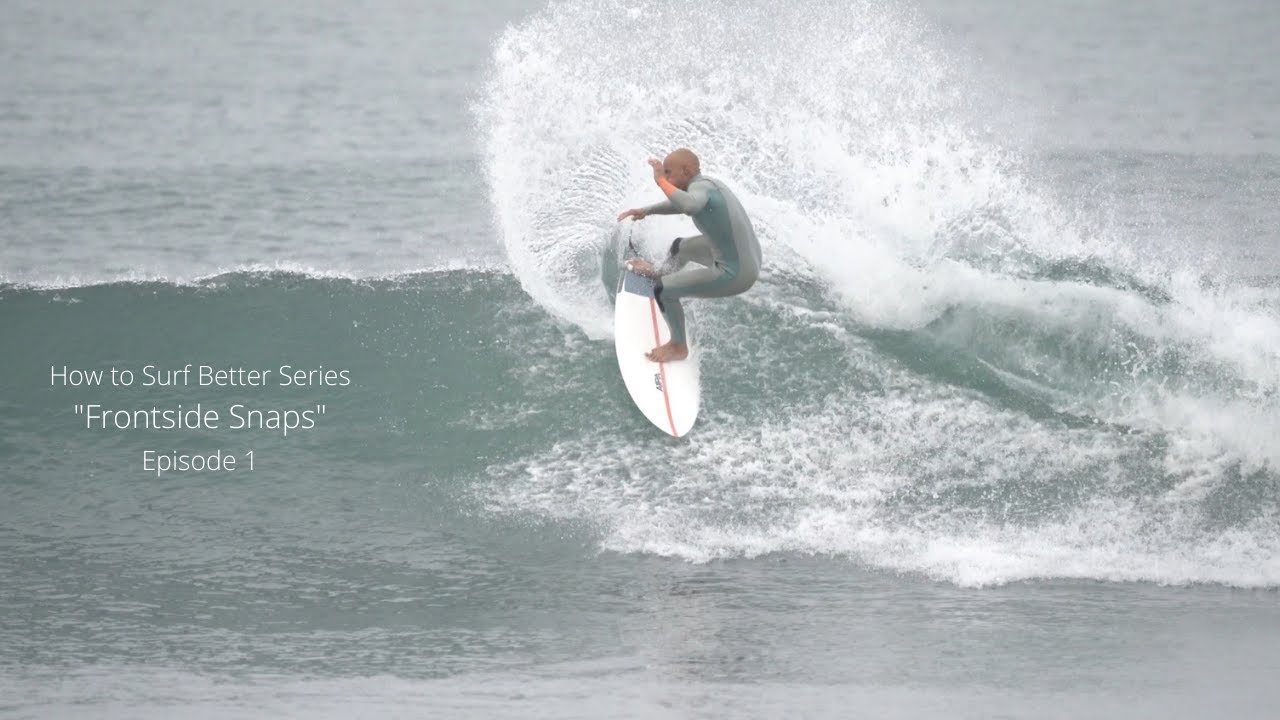
Episode 1 on frontside snaps focuses on the speed snap technique: utilizing a shallow, diagonal bottom turn to coil the back arm, uncoil at the lip, and project forward for maximum down-the-line speed.
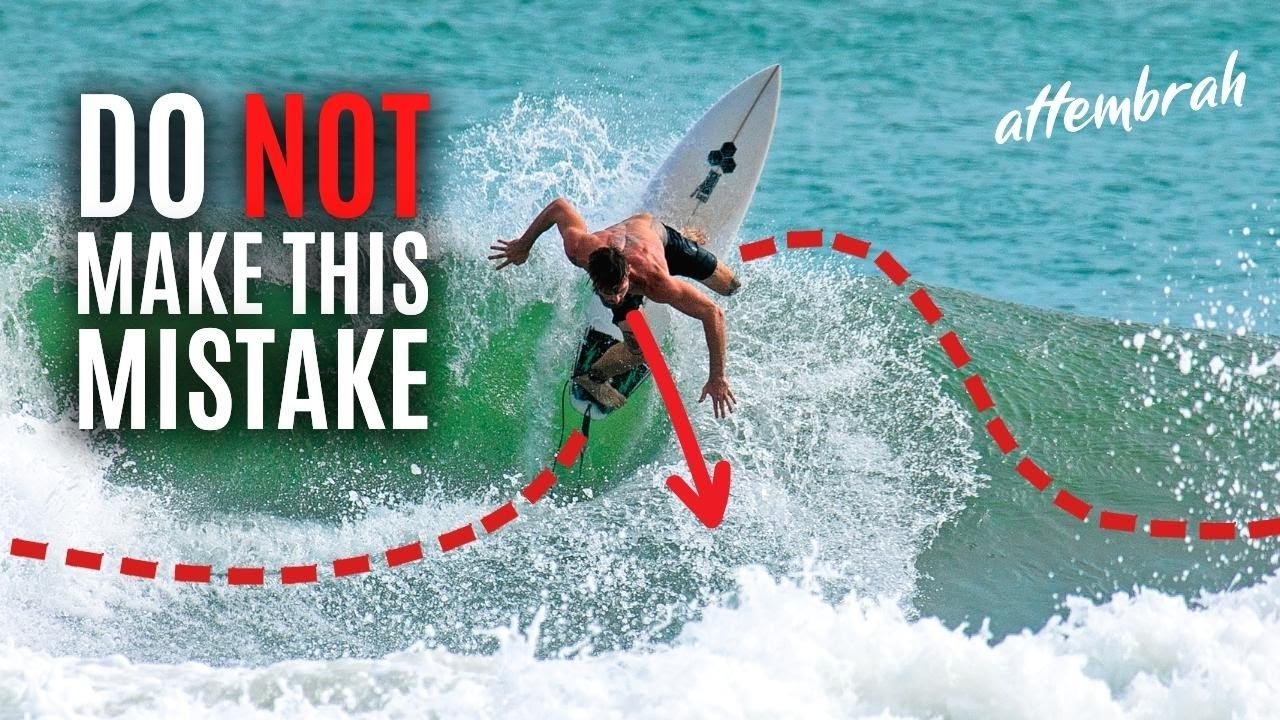
Attembrah details how to perform a perfect snap, covering wave selection, body rotation, core engagement, and the transition back into the wave to set up the next maneuver.
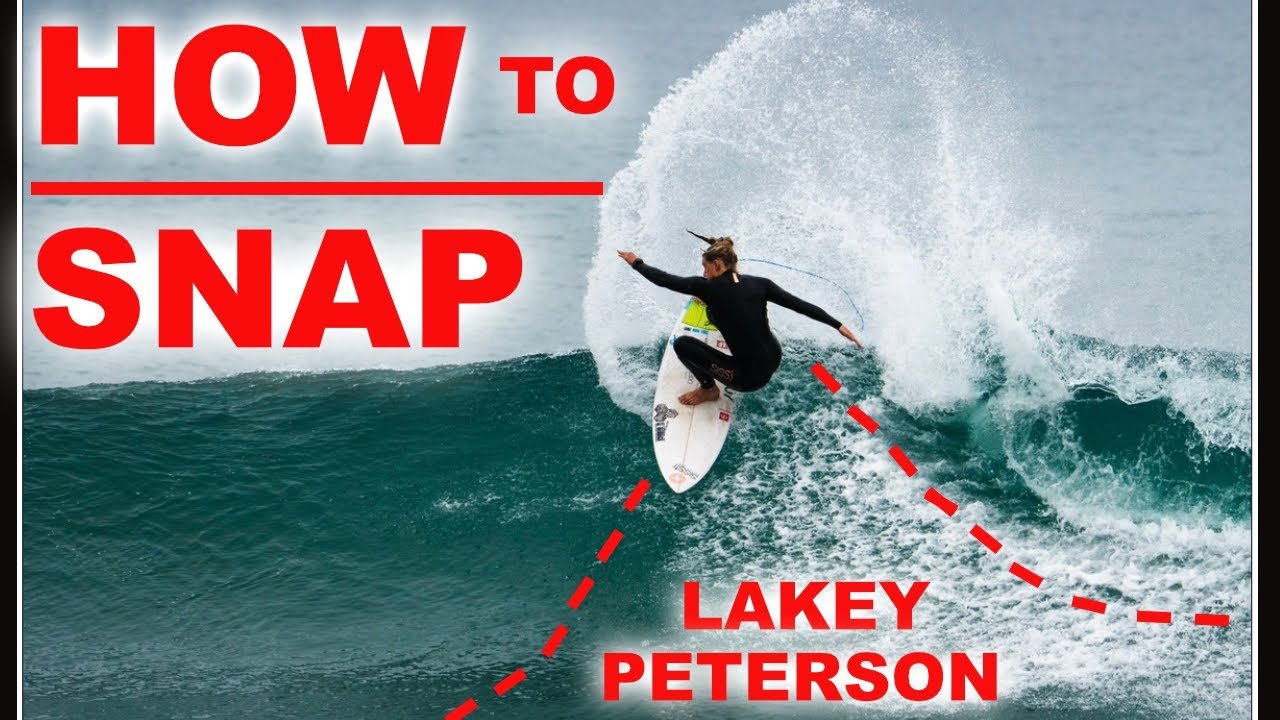
Lakey Peterson breaks down the Frontside Snap for speed, regular, and closeout sections, focusing on arm coil, the “karate kick” technique, and counter-rotation for balance and maximum power.
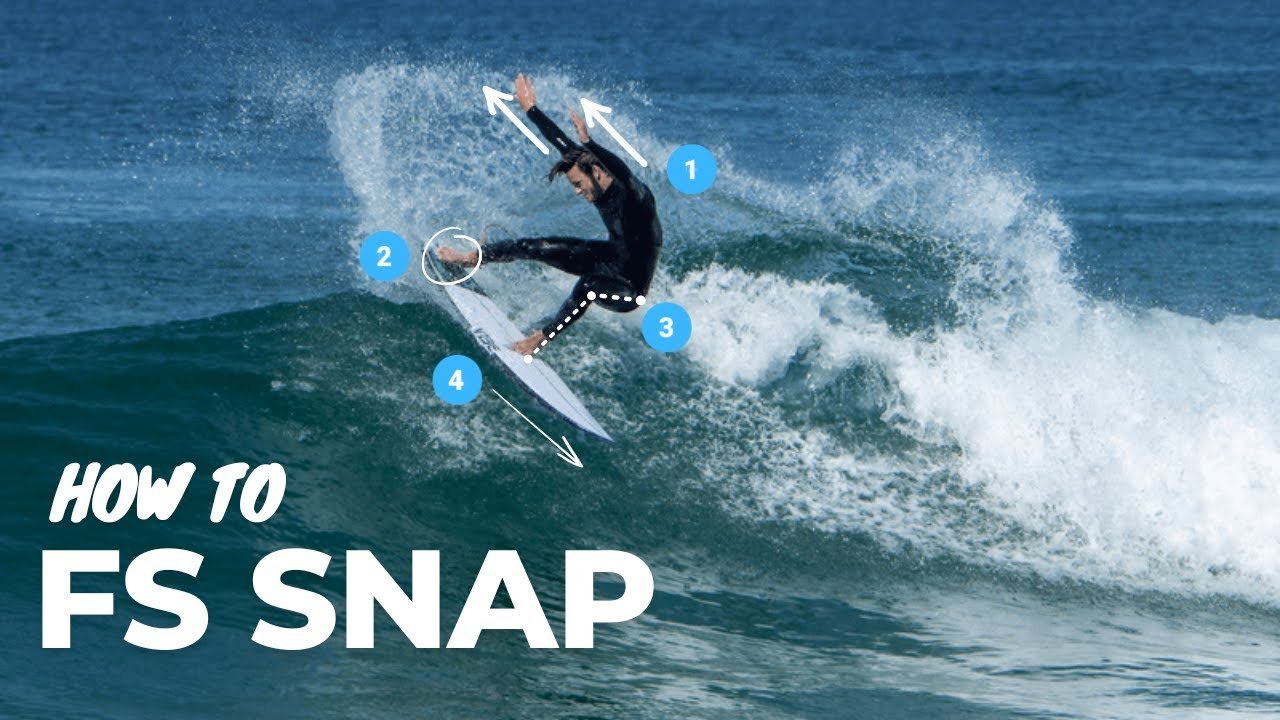
The ultimate frontside snap tutorial detailing the deep bottom turn setup, arm loading and rotation technique, timing (the green section), and how to practice the full sequence on a surf skate.
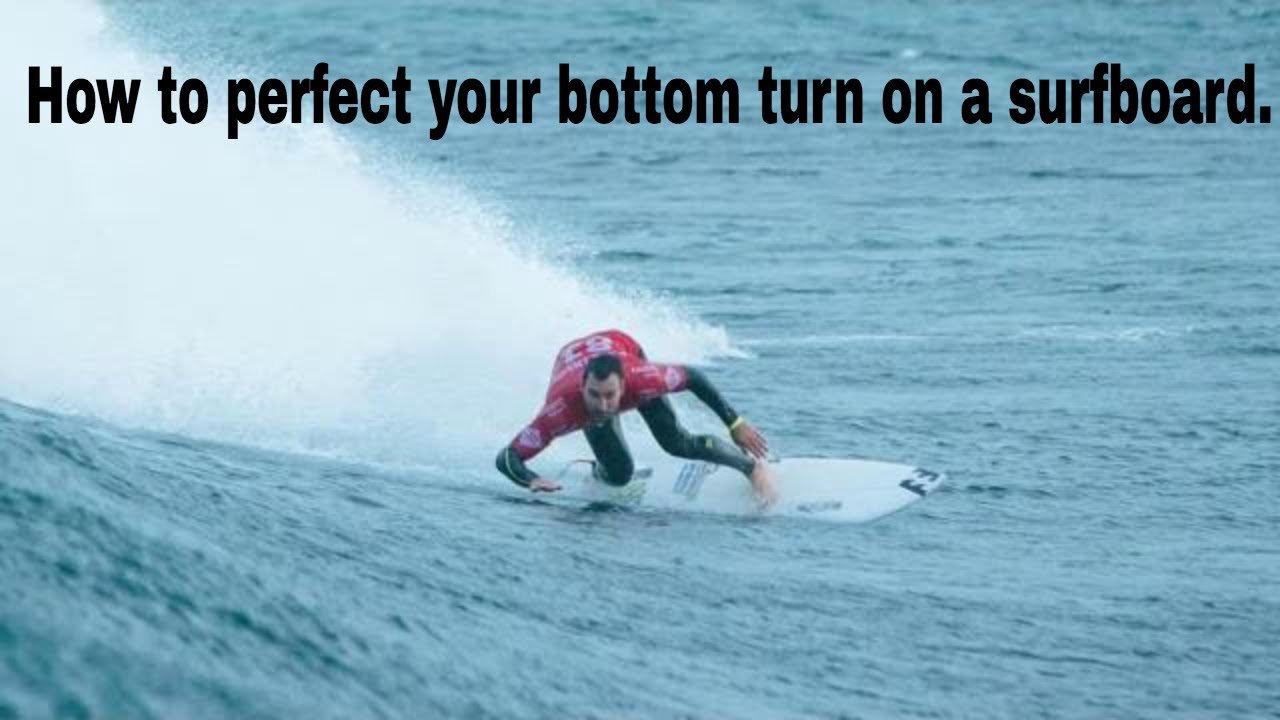
Chip Encruder details 5 key techniques to perfect the bottom turn, focusing on back foot placement, dipping the back knee forward, maintaining an open body frame, and aiming for the wave’s trough.
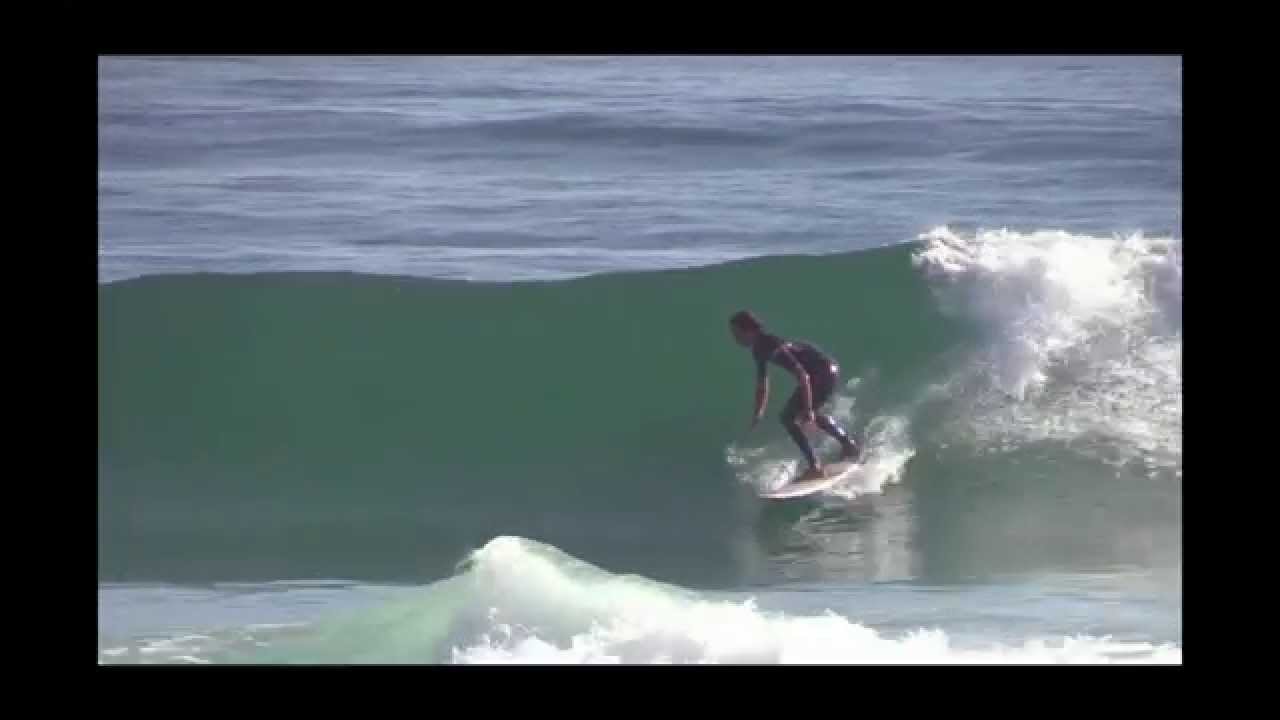
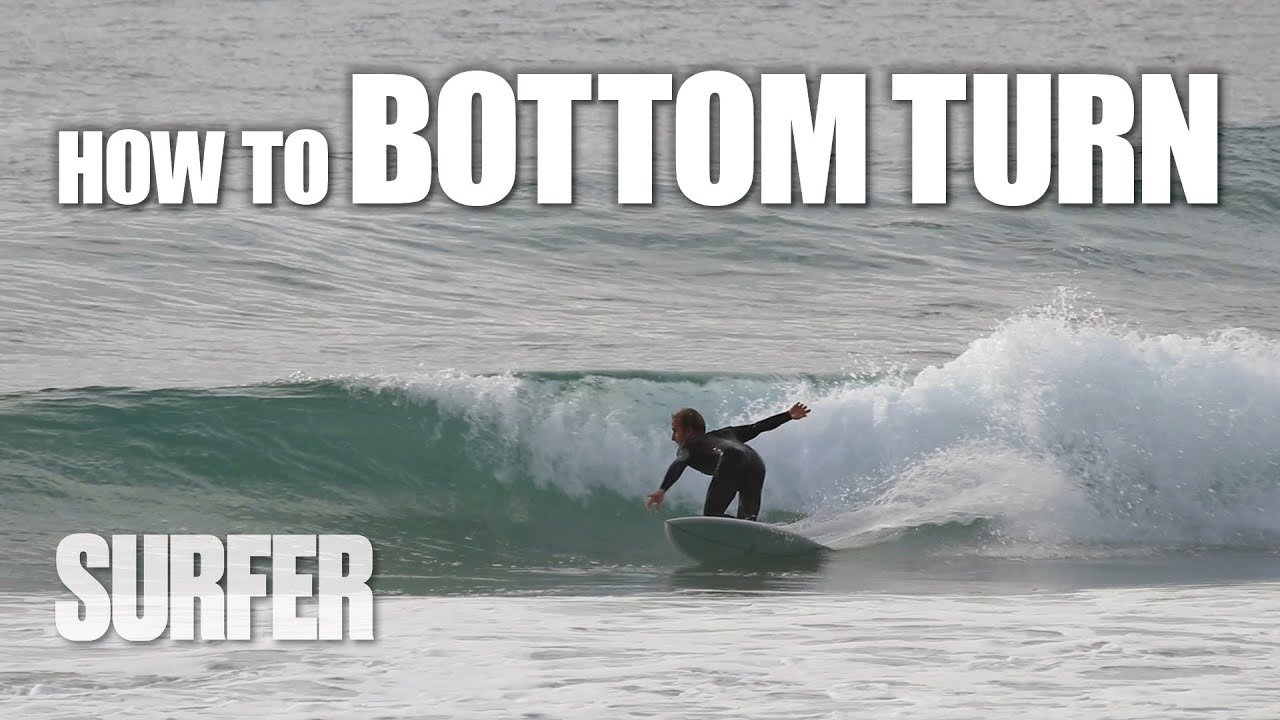
Coach Martin Dunn breaks down the forehand bottom turn, emphasizing bending the body, reaching out with the inside hand to maximize rail engagement, reduce drag, and set up powerful top turns.
Josh Kerr breaks down the bottom turn for both small and large waves, detailing the use of the back arm for swing (small waves) versus a quiet lean (large waves) to maximize efficiency.