
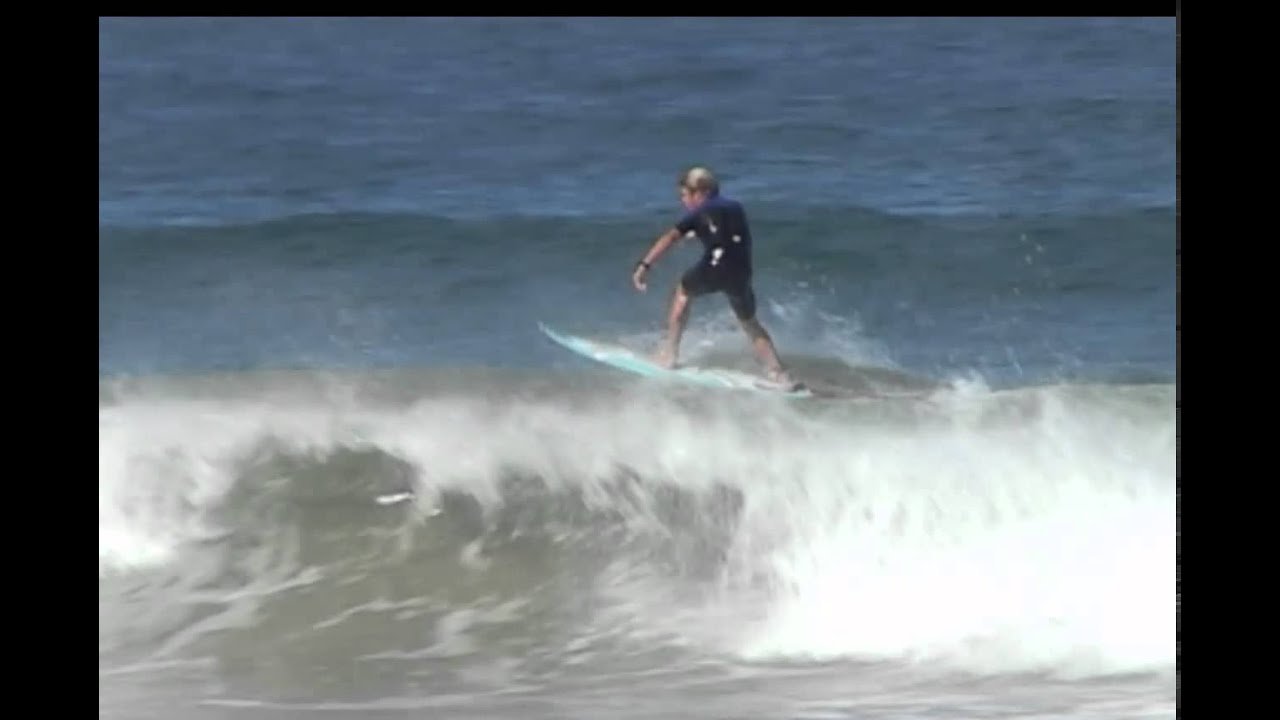
This guide from coach Martin Dunn breaks down the mechanics of the floater maneuver, emphasizing its use as a linking maneuver to maintain speed, cover more distance, and increase confidence in fast conditions.
Key Takeaways & Tips
Floater Purpose
Floaters are performed to link between one section and another by riding on top of the breaking lip or foam. A major advantage is the surfer can cover more distance and maintain their speed better rather than turning under the section.
Flat Entry for Momentum
Have a flattish entry into the maneuver. This flat entry will give horizontal momentum, which helps maintain speed throughout.
Glide Position
Once on the foam or lip, push forward to a chest over front knee position to keep the surfboard driving across the section.
Exit Rotation
The head and shoulder should turn towards the beach before dropping back down the wave face. This points the surfboard to the beach, stopping it from landing side-on.
Landing and Recovery
Compress low on landing to a chest over front knee body position to maximize balance and maintain speed.
Develop Hang Time
When developing floaters, practice staying on the lip for extended periods before dropping back down the wave face. Developing increased hang time significantly increases a surfer’s choices and confidence when confronted by fast downline surf conditions.
Common Mistakes to Avoid
Turning Under the Section
The common mistake of turning under the section results in losing speed and failing to cover the required distance down the line.
Steep Vertical Entry
Failing to have a flattish entry into the maneuver will prevent the board from gaining the horizontal momentum needed to glide across the foam.
Landing Side-On
Failing to turn the head and shoulder towards the beach before dropping back down the wave face will cause the board to land side-on, resulting in a fall.