Paddle Out through ANY WAVES on Longboards – How I learnt this (FULL GUIDE)
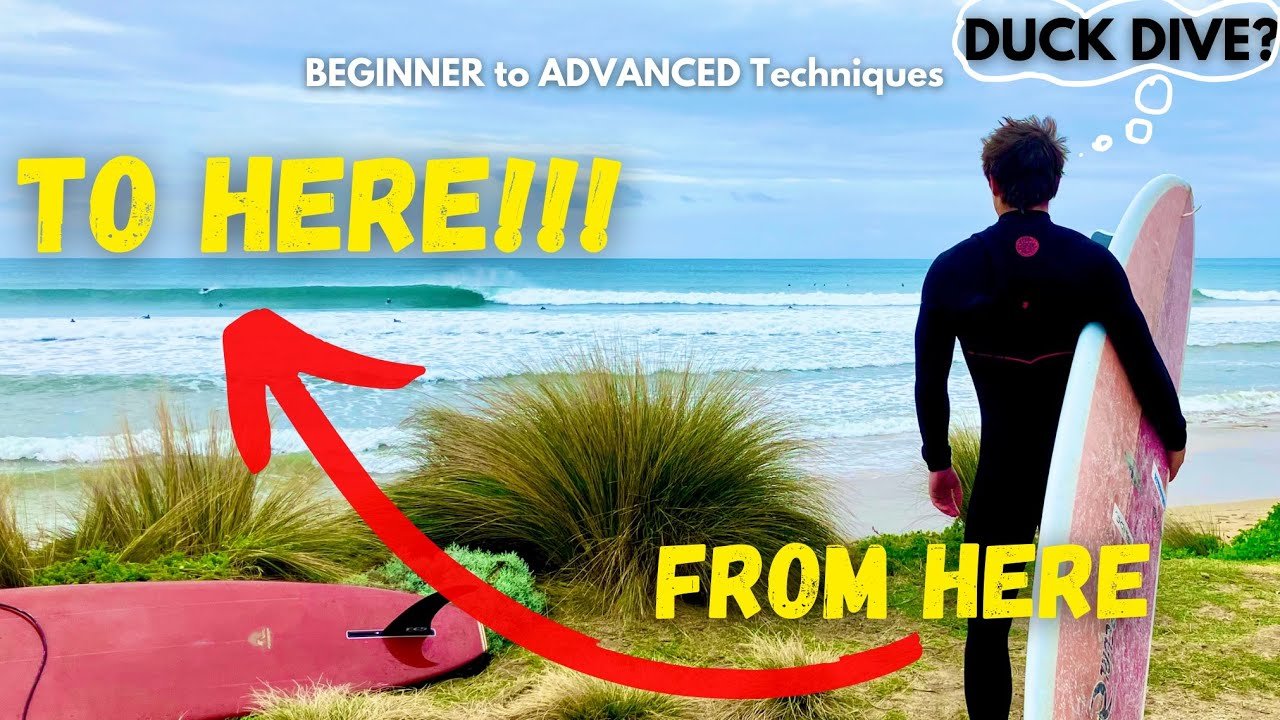
Learn the full spectrum of longboard paddle-out techniques, from the beginner Press Up and Turtle Roll to the advanced, rail-tilting Longboard Duck Dive.

Focus on bending and lowering the body to generate speed/initiate turns.
Learn the full spectrum of longboard paddle-out techniques, from the beginner Press Up and Turtle Roll to the advanced, rail-tilting Longboard Duck Dive.
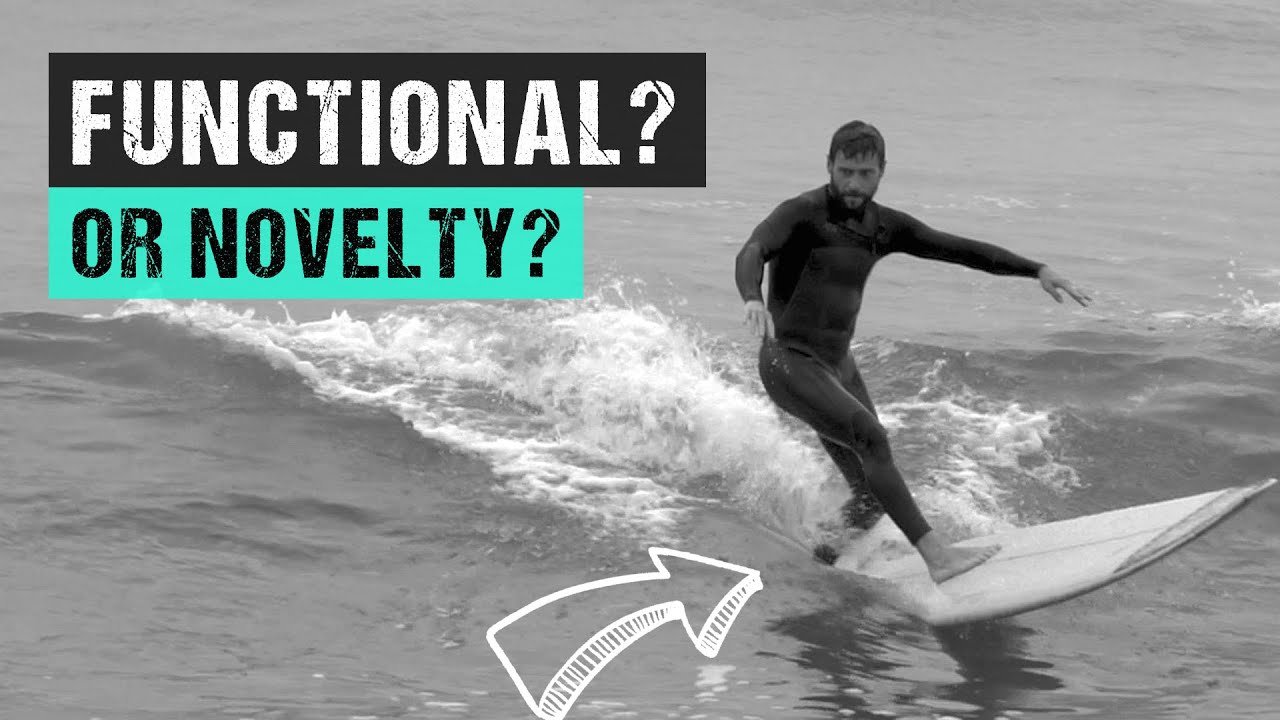
Brian James explores the functional benefit of the drop knee turn, revealing the two key tips that correct the position, stall the board perfectly, and set up a clean cross step.
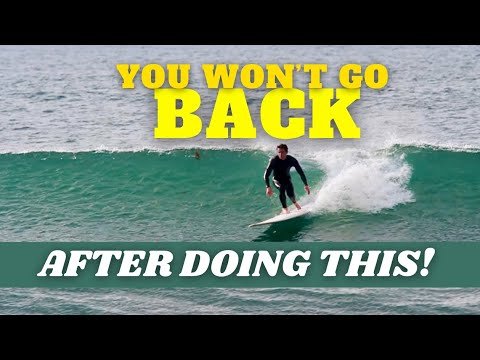
Ben Considine breaks down the underutilized backhand drop knee turn, detailing the three phases: stepping back, leaning over the back foot, and rotating to quickly face down the line.
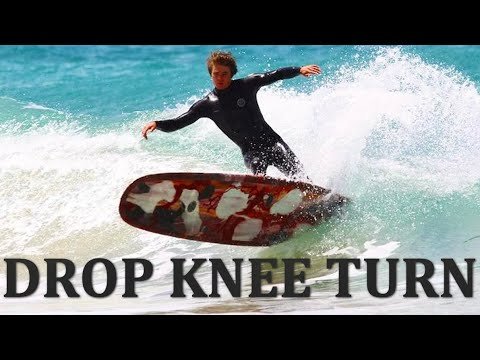
Ben Considine steps through the secrets of the drop knee turn, detailing the wide stance, the correct toe poke, and the extension/compression technique needed for success on a longboard.
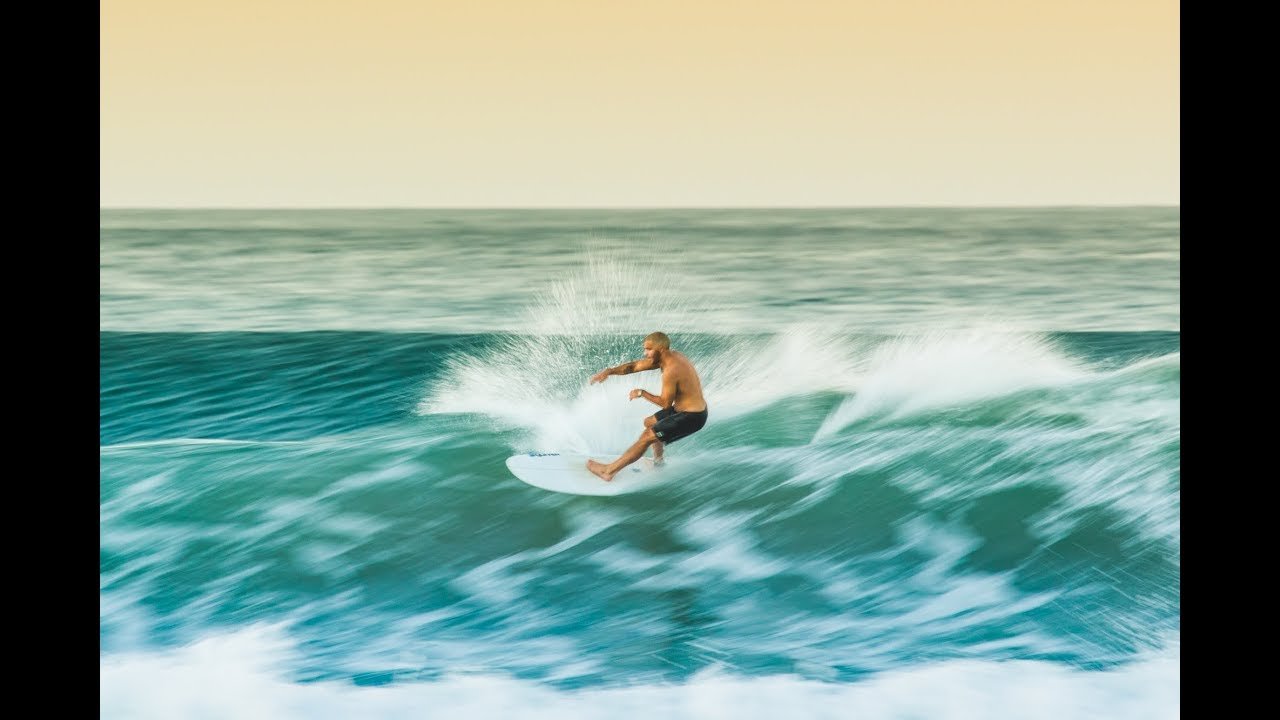
Chris Bond details how to generate speed by paddling hard, compressing and extending your legs, and syncing your arm throw with your lower body to maximize forward momentum down the line.
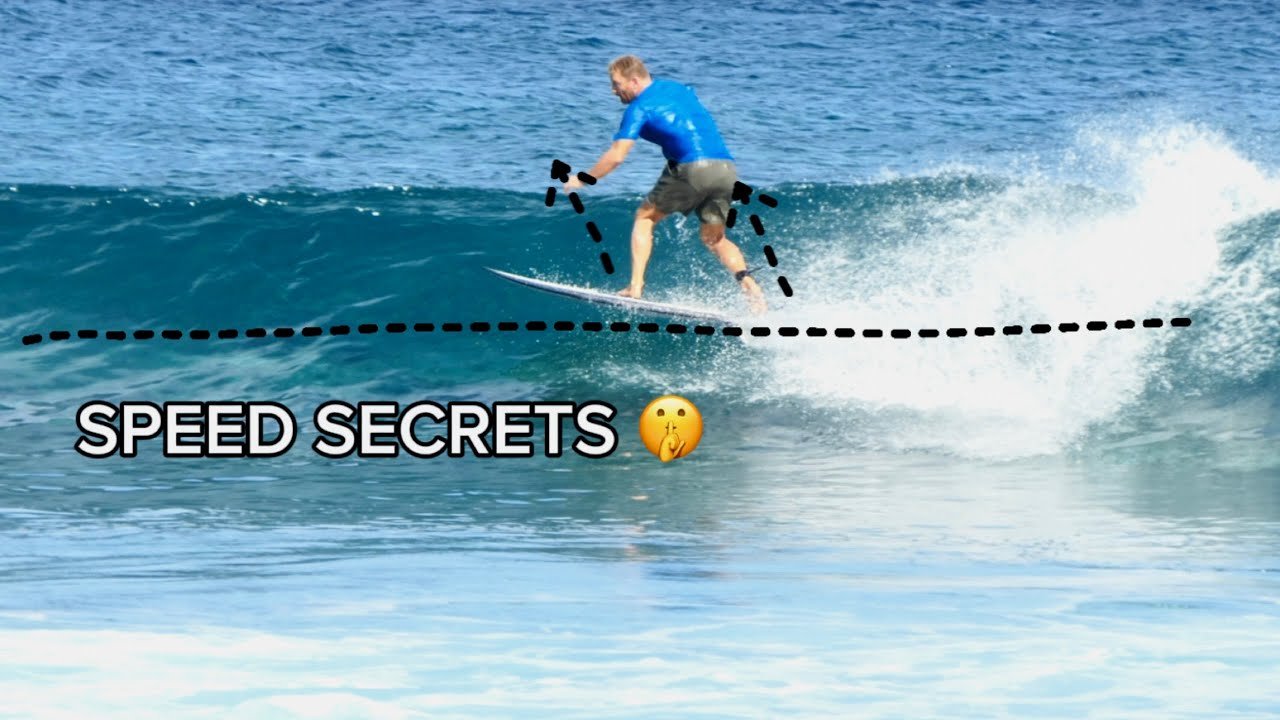
Shannon Ainslie reveals the secret to explosive frontside speed: utilizing the top half of the wave (the energy zone) and generating momentum by lifting both the front and back feet off the water.
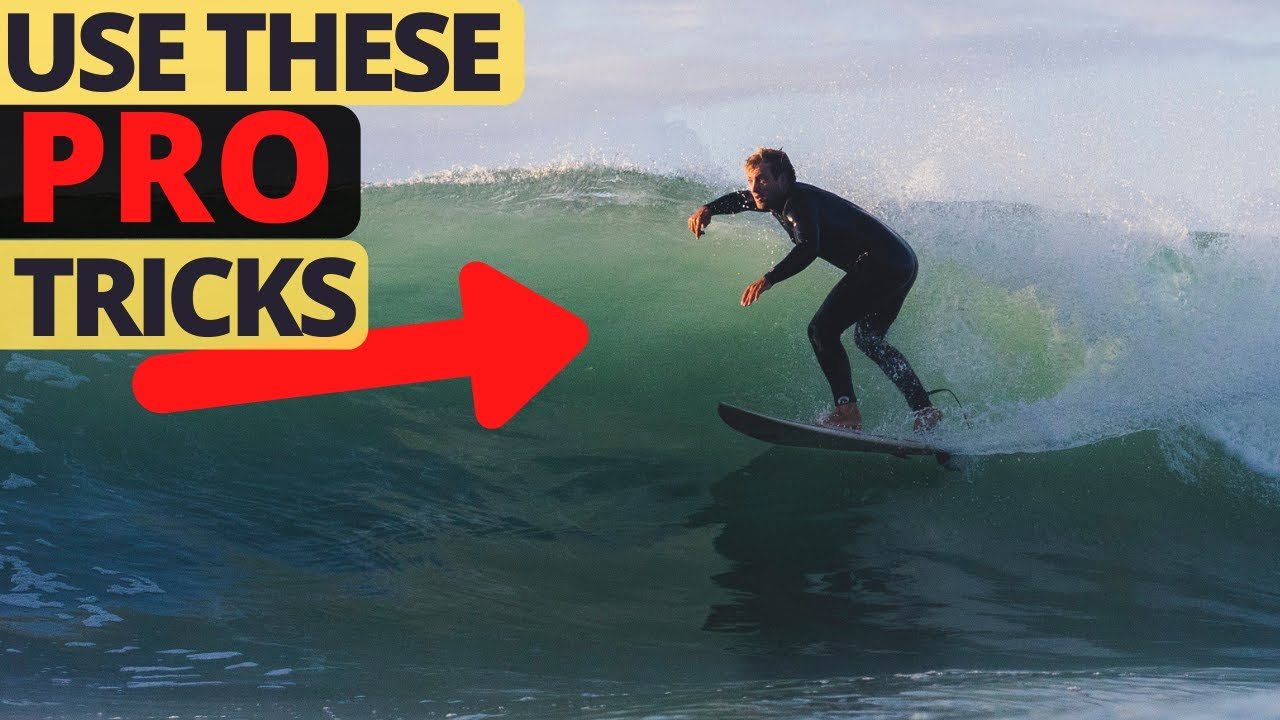
Kale Brock reveals micro movements like the “umph turn” and double pump to dramatically increase speed, focusing on accelerating down the wave after the turn using immediate compression.
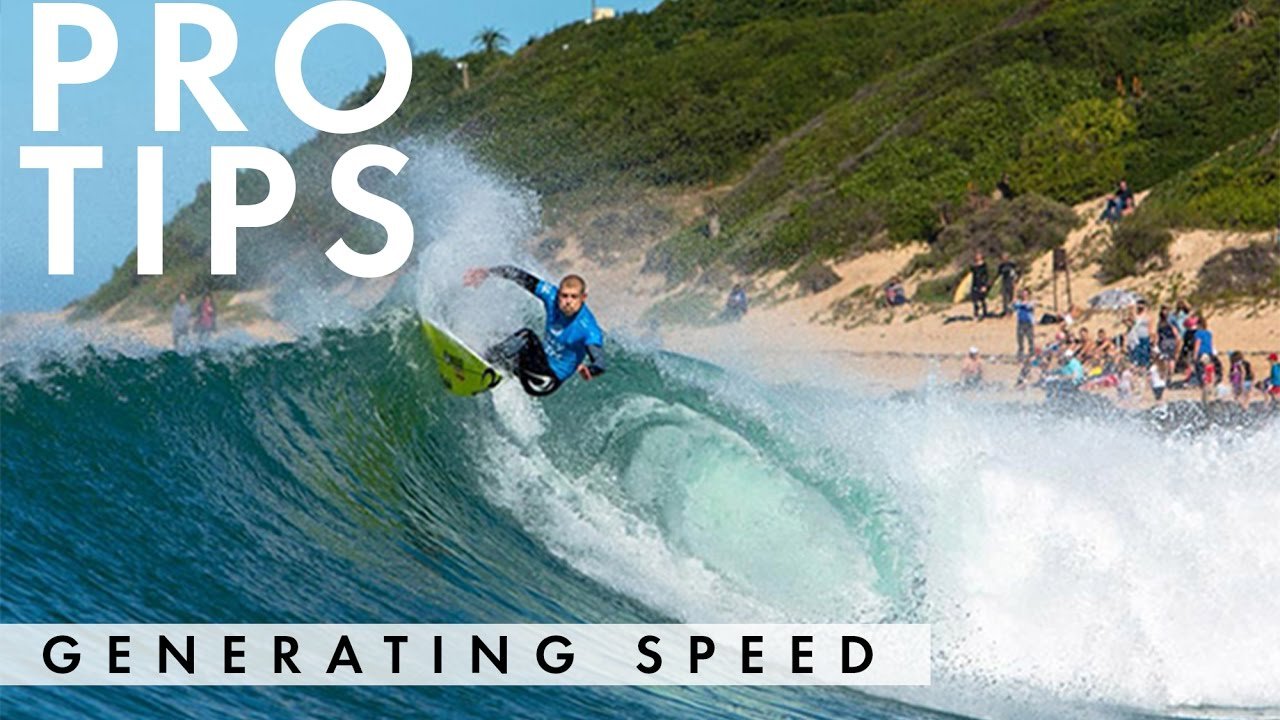
Mick Fanning shares his top tips for generating speed, focusing on utilizing the whole wave face (top to bottom), avoiding wiggling in the middle, and using the crunch-low, stand-high technique for a smooth glide.
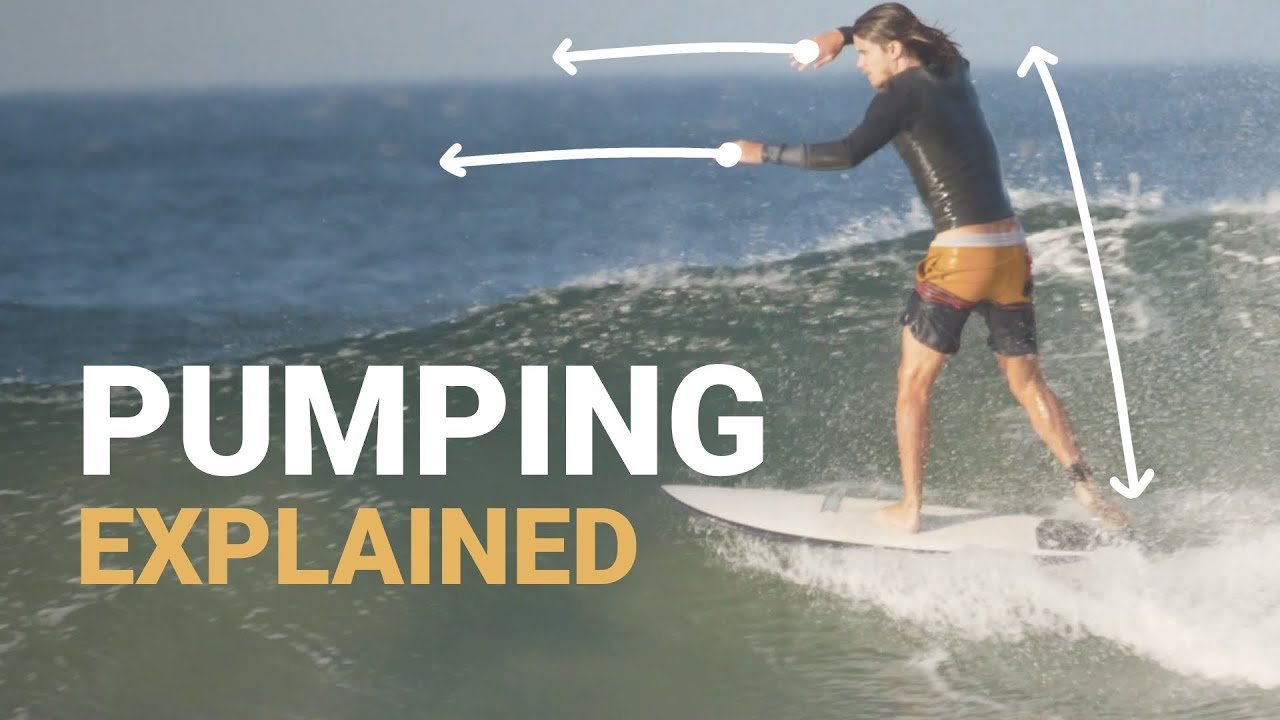
This tutorial breaks down the physics of the pumping technique, detailing how compression/decompression and angular momentum are used to accelerate up the wave face like a vert skater.
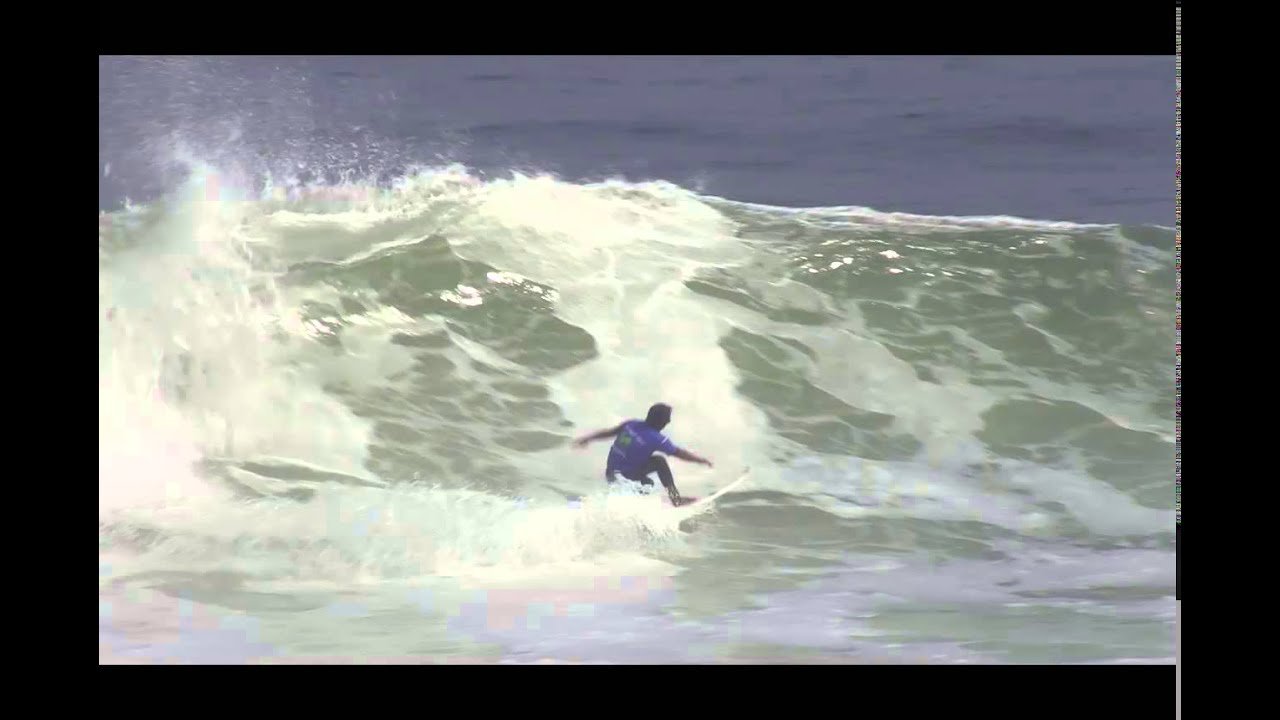
Coach Martin Dunn breaks down the backhand re-entry, emphasizing rotation before impact, the torque force needed to start the turn, and the final push and compression on the way down.