5 Tips To Surf Small Waves
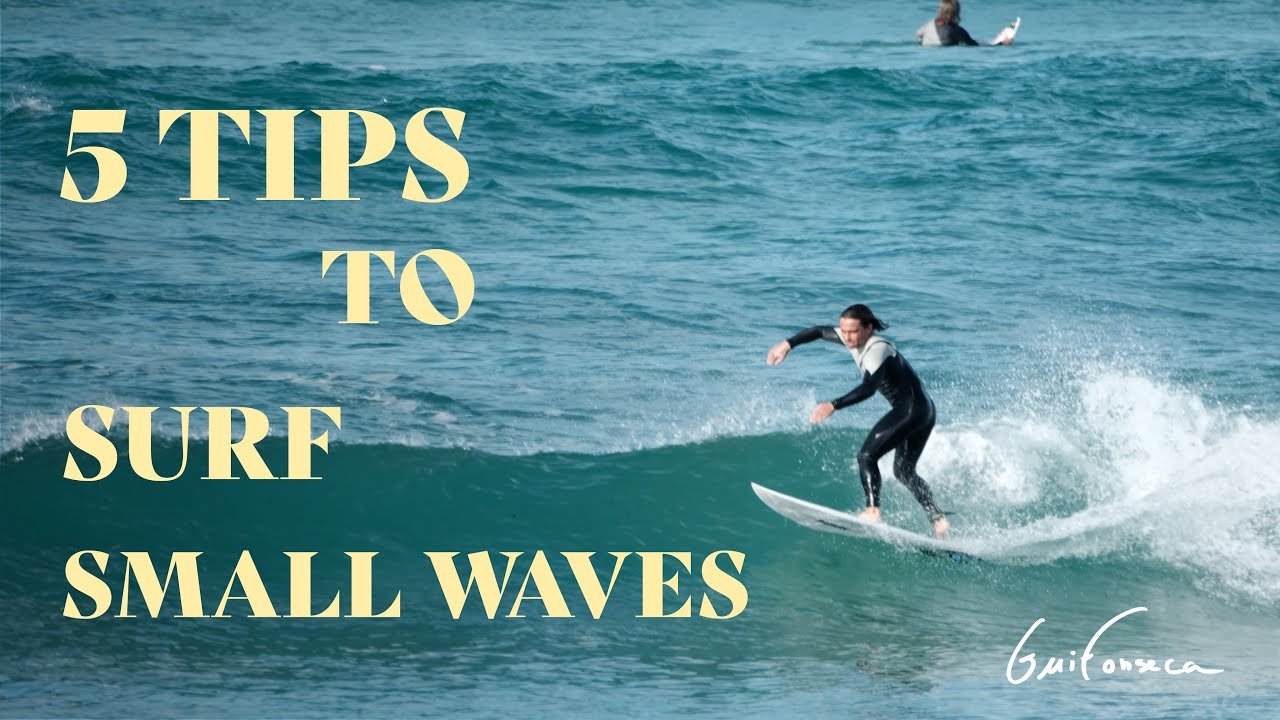
Professional surfer Gui Fonseca provides 5 essential tips for small, weak conditions, focusing on pumping in a higher line, minimizing bottom turns, and maximizing compression/extension for constant speed and flow.
Emphasizes smooth, connected surfing, linking maneuvers together, and maintaining speed across flat sections of the wave.
Professional surfer Gui Fonseca provides 5 essential tips for small, weak conditions, focusing on pumping in a higher line, minimizing bottom turns, and maximizing compression/extension for constant speed and flow.
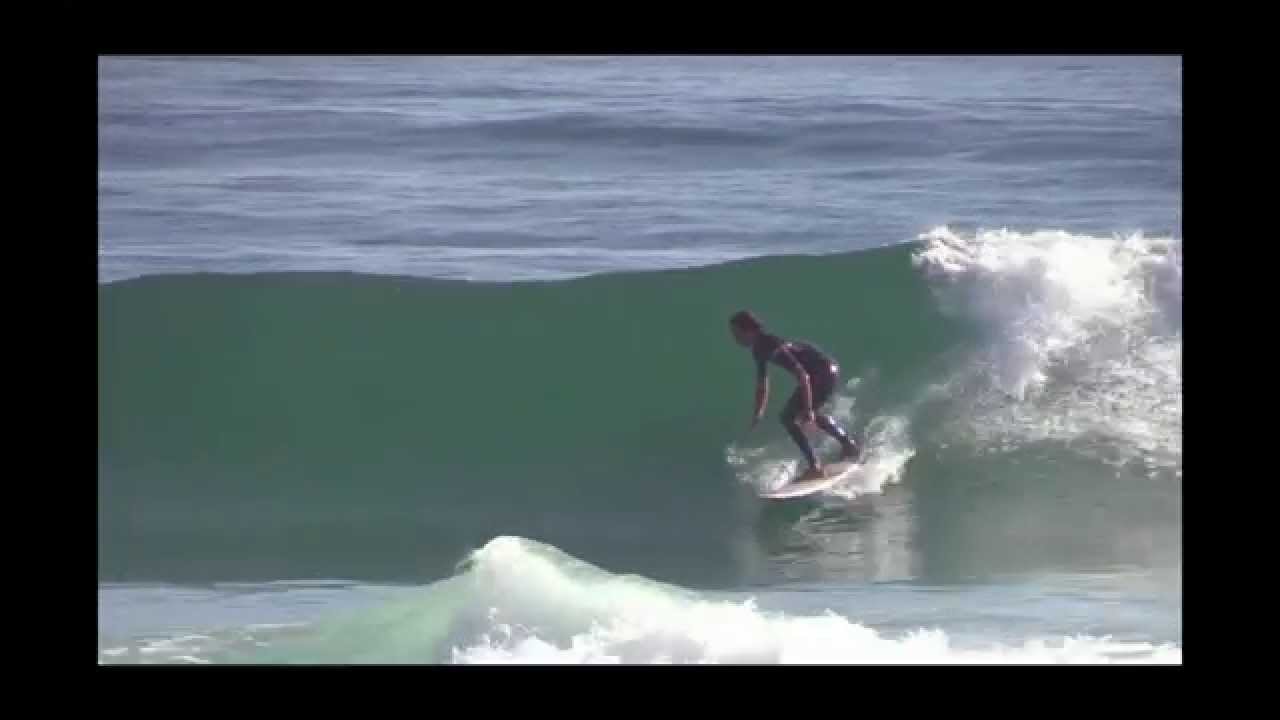
Ombe’s Battle of the Small Waves compares two styles, detailing why one surfer struggled (surfing mid-face and tense) and how the other succeeded (surfing rail-to-rail, top-to-bottom, and relaxing).
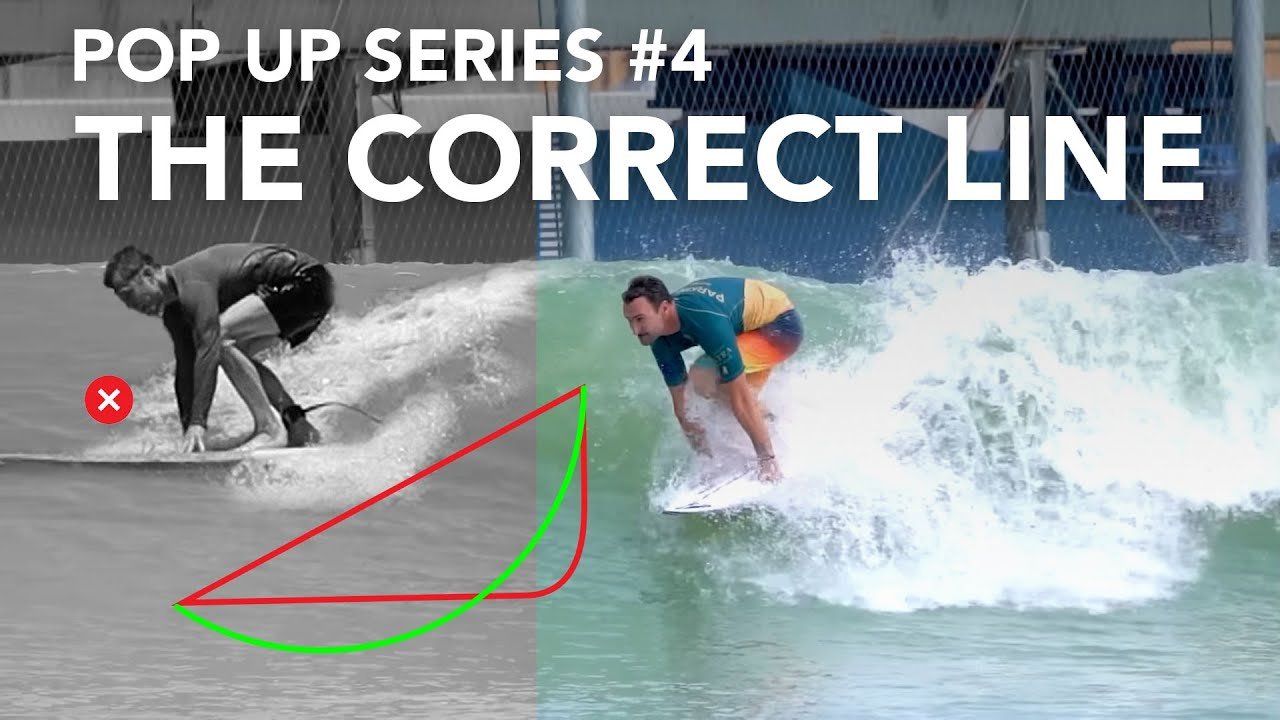
Ombe Surf breaks down the correct line for a pop-up, arguing that a straight line creates drag, while the curved, cycloid line is the most energy-efficient way to match the wave’s spiral energy and gain speed.
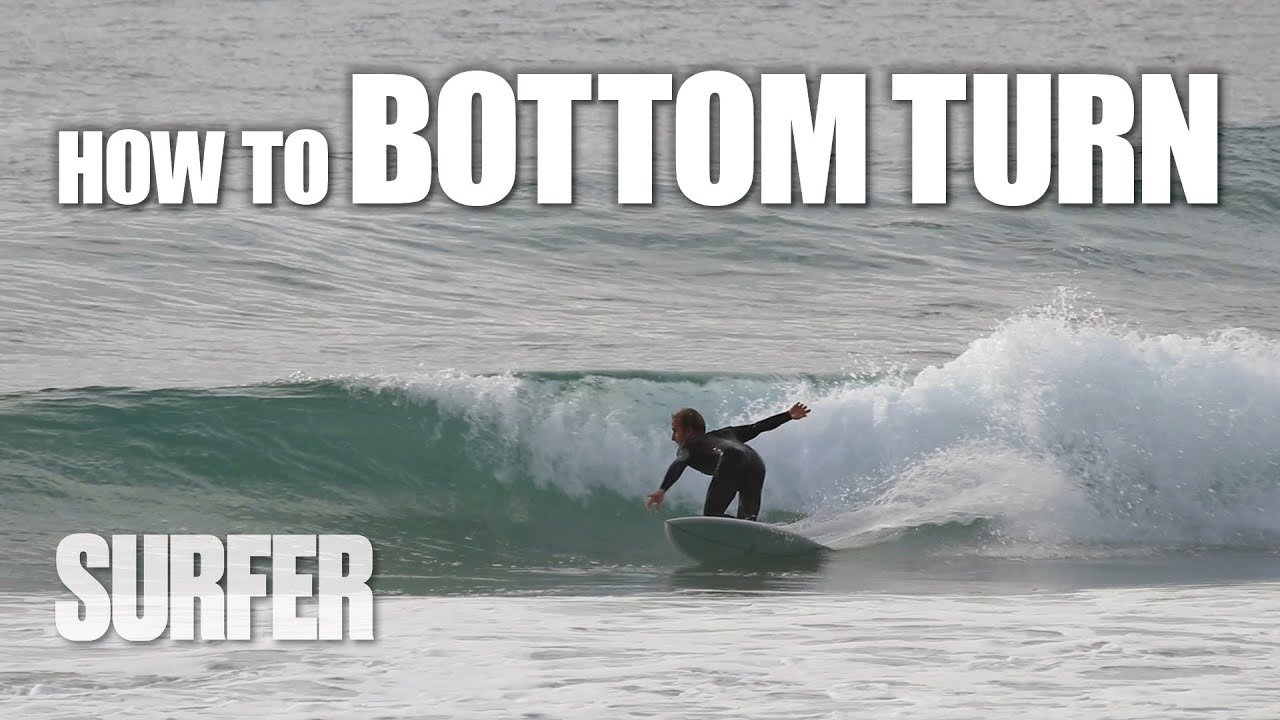
Coach Martin Dunn breaks down the forehand bottom turn, emphasizing bending the body, reaching out with the inside hand to maximize rail engagement, reduce drag, and set up powerful top turns.
Josh Kerr breaks down the bottom turn for both small and large waves, detailing the use of the back arm for swing (small waves) versus a quiet lean (large waves) to maximize efficiency.
Ombe Surf discusses the physics of the bottom turn, focusing on how fluid dynamics and the Coandă effect provide hold on the rail, lift the board, and minimize drag for speed.
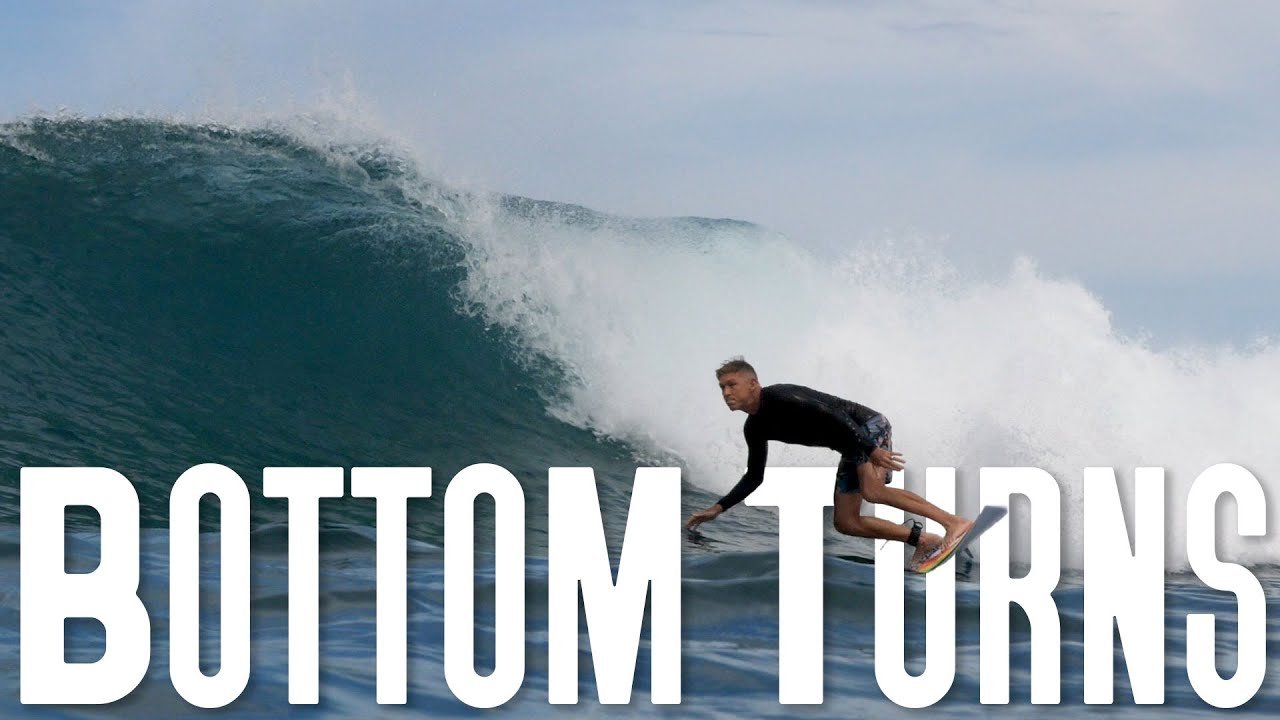
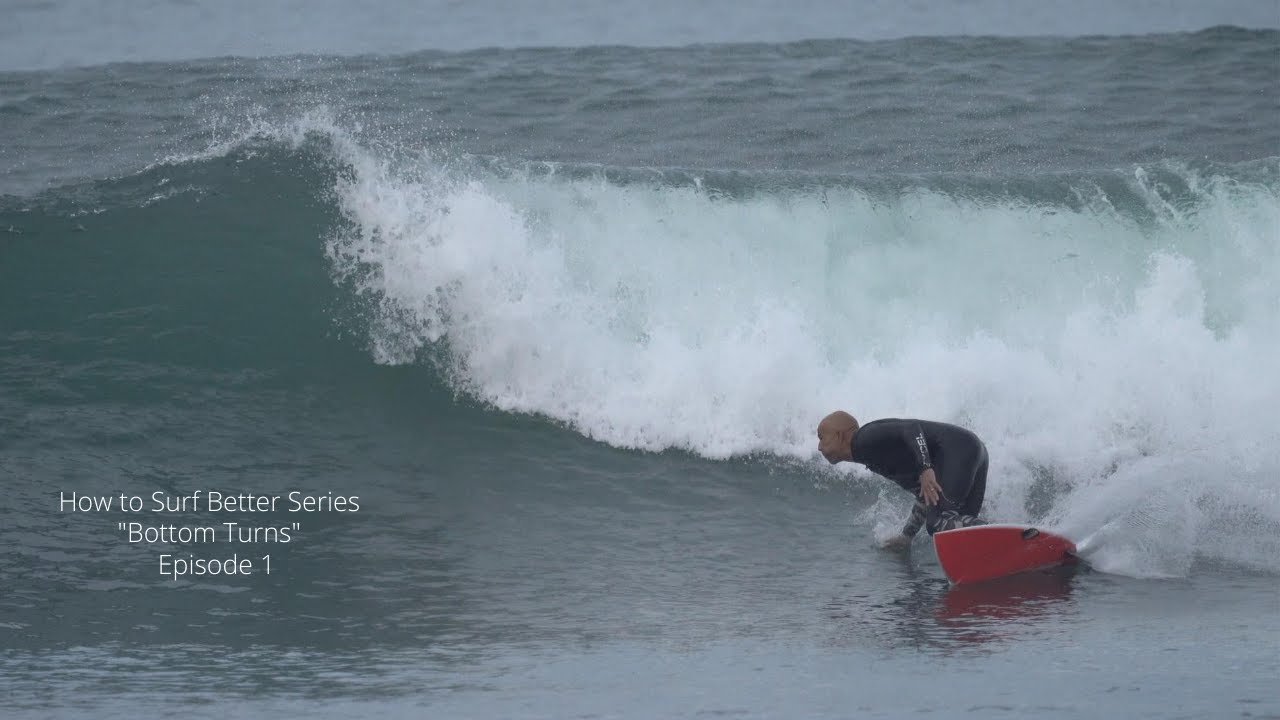
Episode 1 on bottom turns focuses on generating speed, compressing low, driving off the tail, and translating core mechanics from the Carver surf skate to the wave.
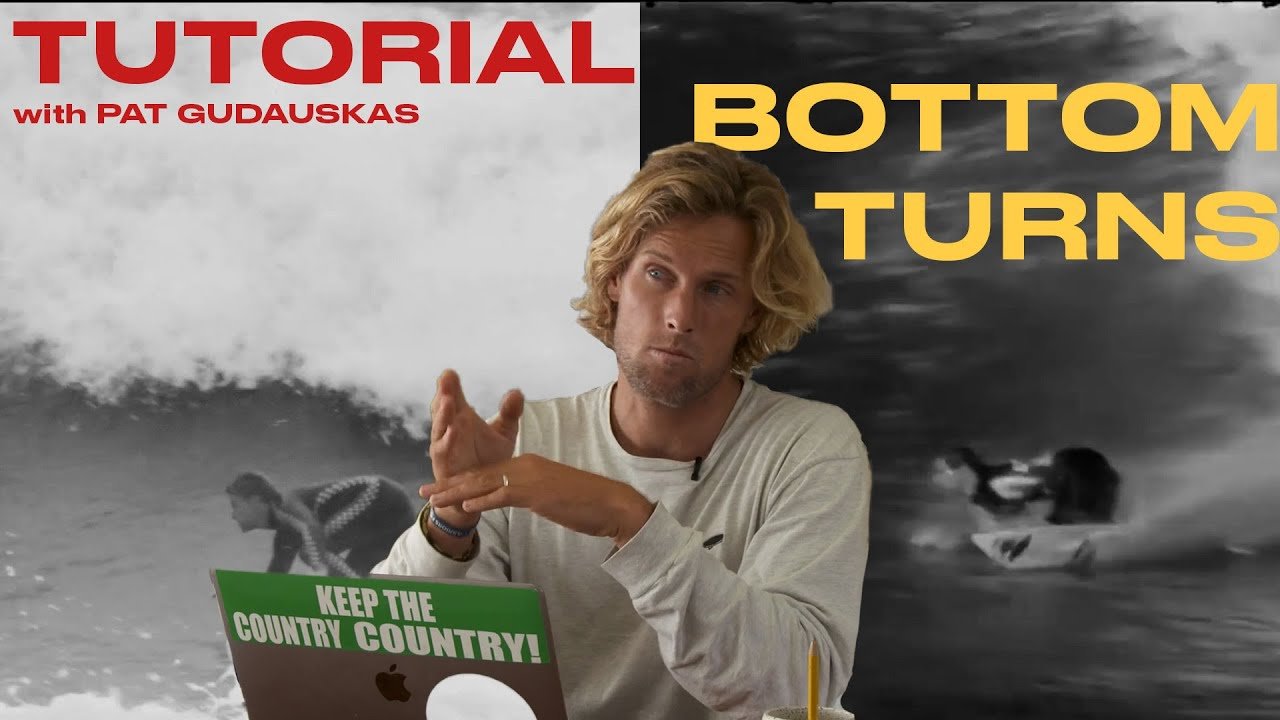
Patrick Gudauskas breaks down the bottom turn, focusing on the entry pause, the back hand’s “baby surfboard” motion, keeping the front arm calm, and generating the coil for power.
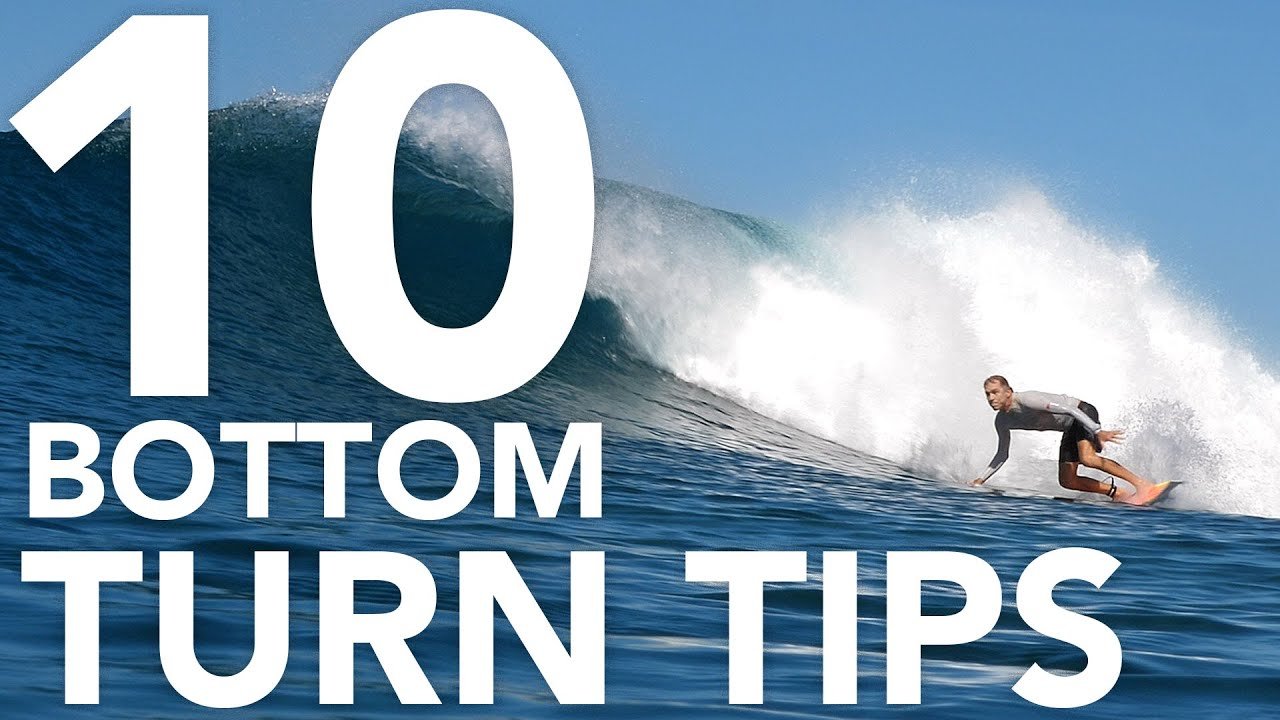
Ombe Surf breaks down 10 crucial tips for a better bottom turn, focusing on tapping into the wave’s lift, timing the extension, the 70/30 energy rule, and choosing the fastest line for maximum speed.
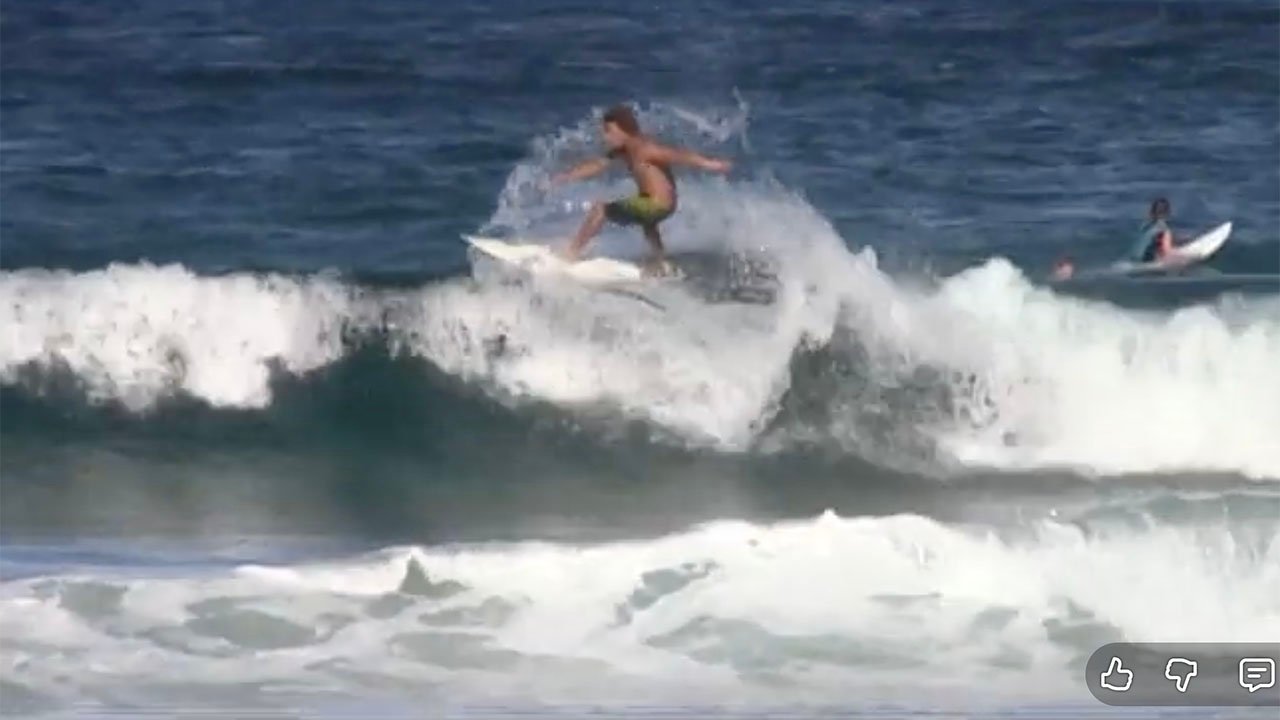
This quick trick tip explains the frontside floater’s purpose (clearing sections or finishing a wave) and details the mechanics of opening the body, lightening the weight, and compressing out of the lip.