How to Surf Better Series Regular Footer Backside Floaters Ep 1
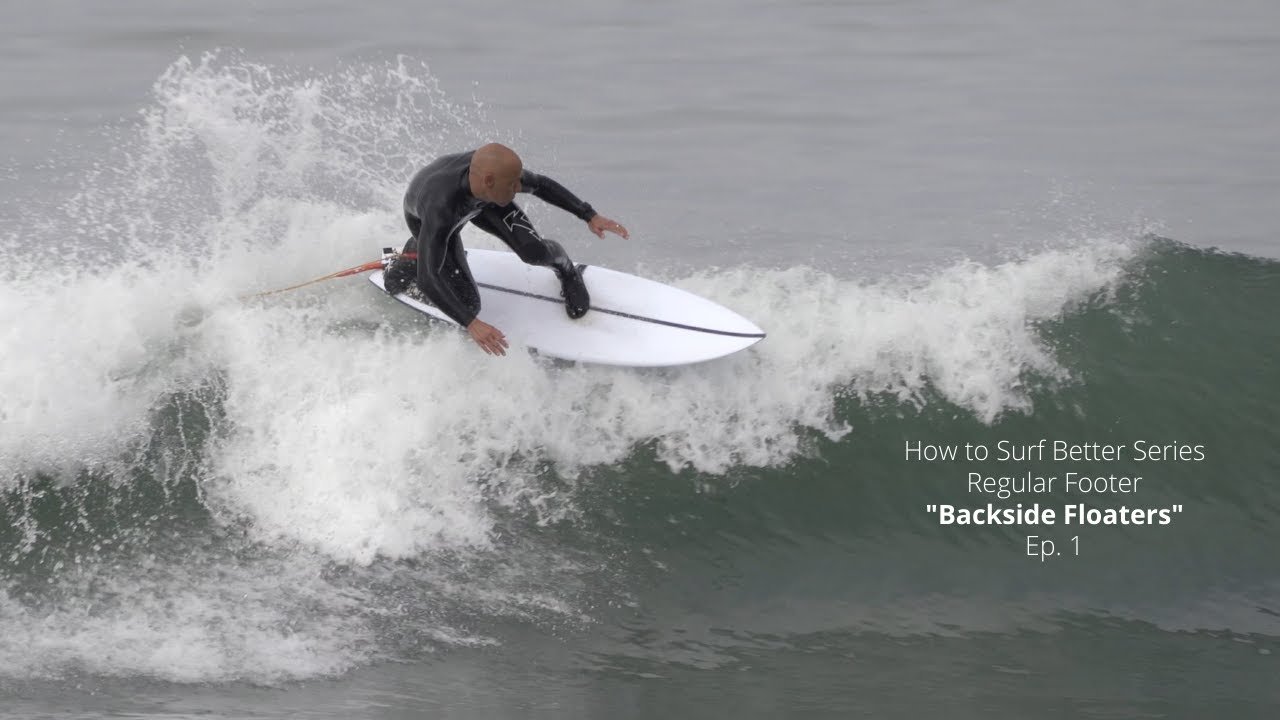
An in-depth tutorial on mastering the backside floater for regular footers, focusing on weight distribution, using the trailing arm to open the body, and maximizing speed down the line.
Videos specifically addressing where and when to execute maneuvers (e.g., hitting the lip, initiating a bottom turn, or setting up a tube ride).
An in-depth tutorial on mastering the backside floater for regular footers, focusing on weight distribution, using the trailing arm to open the body, and maximizing speed down the line.
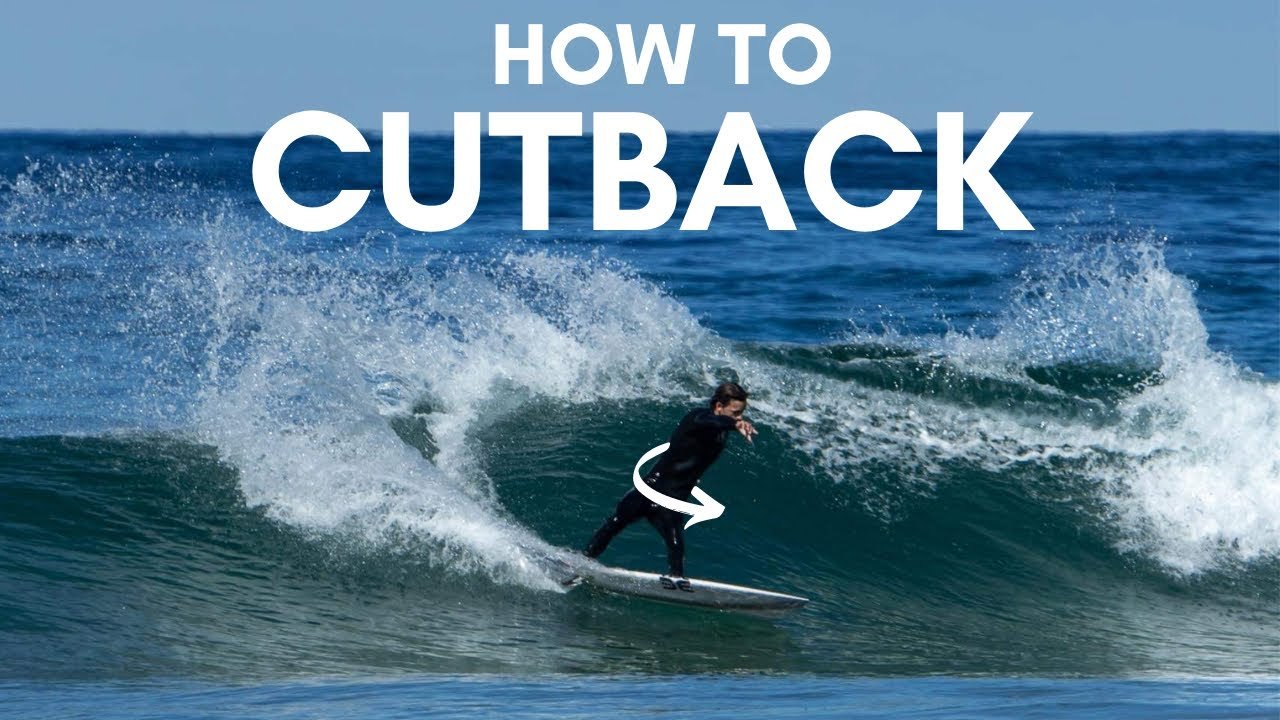
A detailed backhand cutback tutorial for regular footers, focusing on compression, timing, and performing a high rebound off the whitewater foam to rebuild speed.
Master the frontside cutback using POV footage and land-based surf skate drills. Learn the critical technique of dropping the lead arm and engaging the heel-side rail for proper rotation and drive.
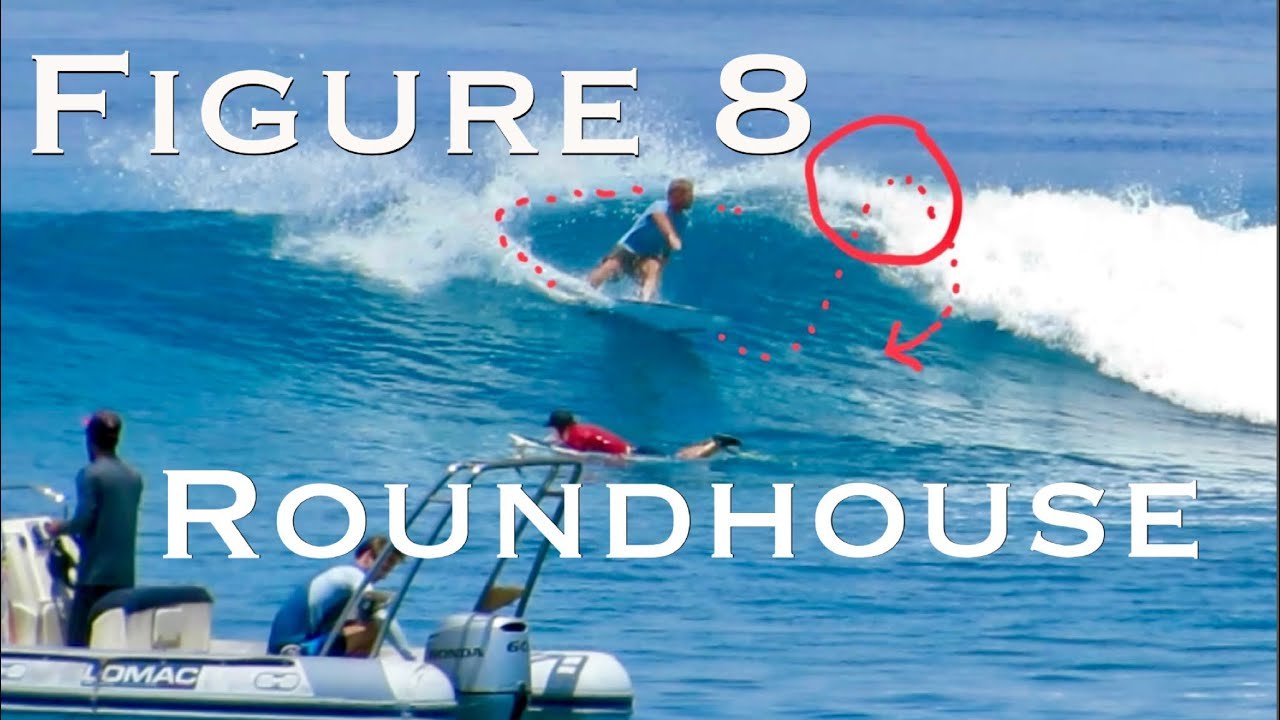
Master the Figure 8 (Roundhouse) cutback with a white water rebound. Learn crucial tips on weight distribution, shoulder rotation, and avoiding common mistakes like cutting across the wave too early or bogging the front rail.
Learn the fundamentals of developing your cutback with Surf Simply. Master the 70% rotation rule, critical foot placement, and 6 essential single-focus drills to link your horizontal maneuvers.
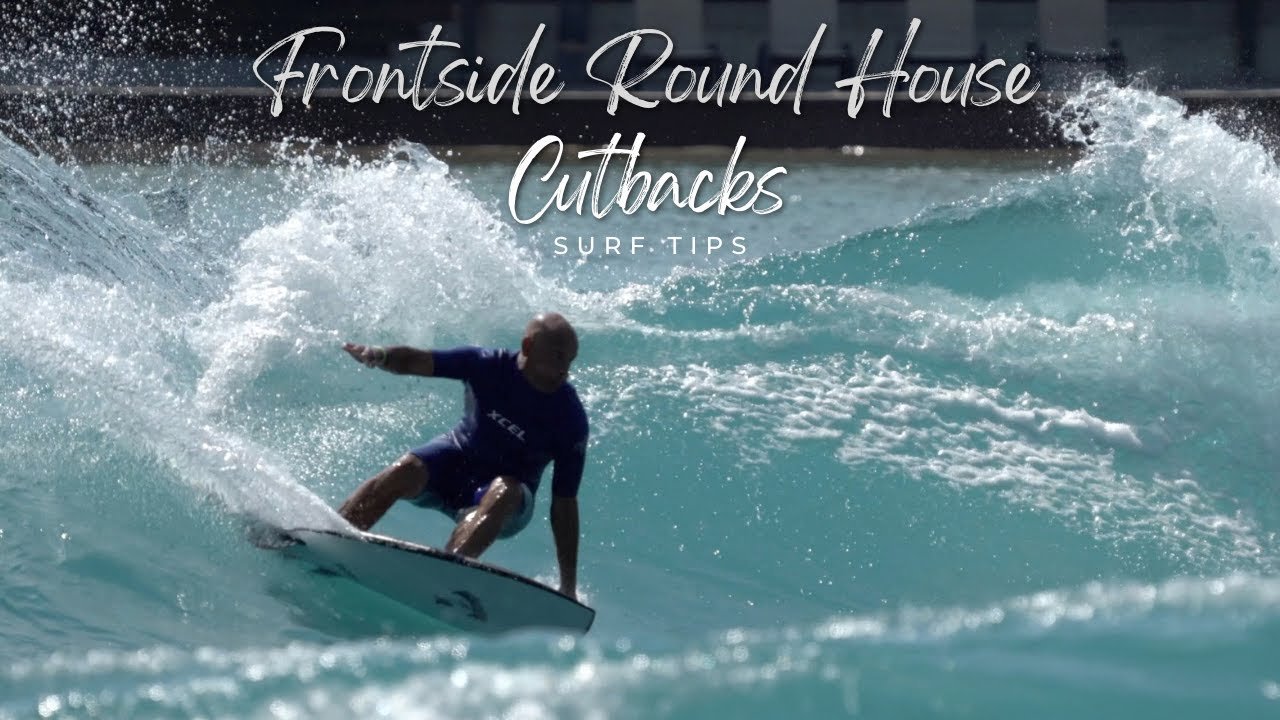
Master the Frontside Round House Cutback by learning the crucial 70/30 heel-toe pressure and weight shift. Includes dedicated surf-skate training drills for maximizing drive and vertical rebound.
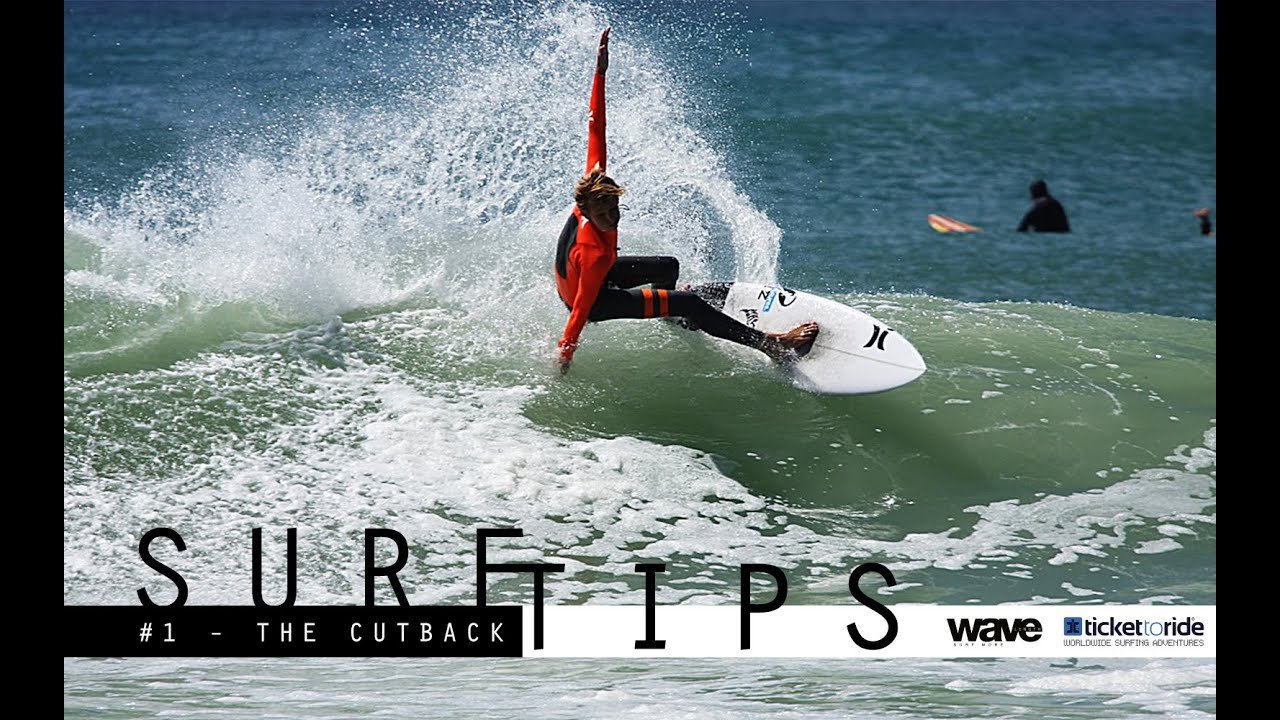
Perfect your fundamental forehand cutback. This tutorial breaks down compression, pivot points, and the 3 most common mistakes surfers make when trying to maintain speed and flow. Essential for intermediate progression.
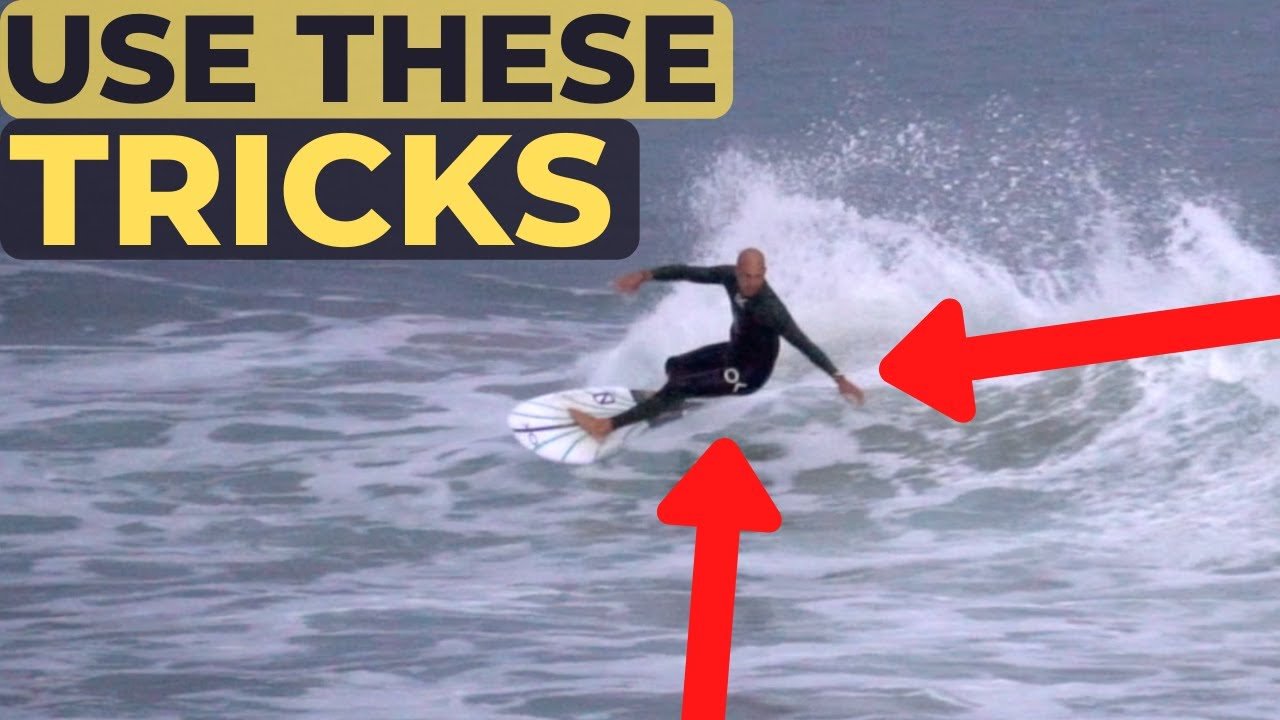
Master the advanced roundhouse cutback with this breakdown of Kelly Slater’s technique. Learn the critical timing, rail work, and power moves to maximize your surf turns and speed.
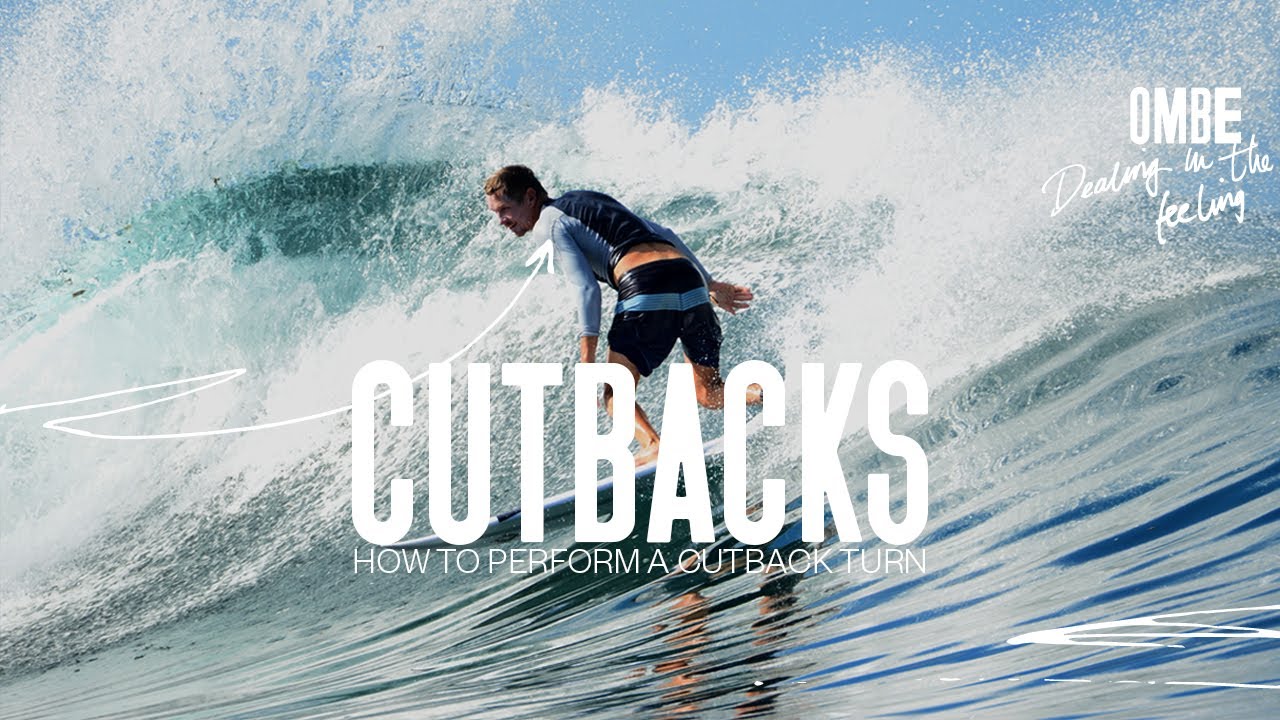
Unlock the perfect cutback with the OMBE Method. Learn the critical steps for speed generation, rail-to-rail control, and upper body rotation to always return to the wave’s power source.